
Five Contortionists from Tabasco, Mexico
Miguel García Mollinedo and Bruce Love
Introduction
Bruce Love
This Research Contribution presents five “contortionists” from Tabasco, Mexico. I was able to photograph all five on my last field trip in May, 2025: one in the Pellicer museum in Villahermosa, one in a small municipal museum in Tenosique, and three in the Pomoná site museum. All were made possible through collaboration with my Tabasqueño friend and colleague Miguel Mollinedo, native of Tenosique. Here I must acknowledge Daniela Triadan, co-director of the Aguada Fenix project, who recommended Miguel to me as she was impressed with him as a student worker on their project. Today, Miguel is a doctoral student at Tulane University specializing in Olmec studies.
Miguel made all the contacts and wrote all the letters seeking permission to photograph at the Pellicer and Pomoná Museums, which required permissions from the State Secretary of Culture in Tabasco for the Pellicer and Centro INAH for Pomoná. No small feat! He also assisted me with the photography.
It is a joy to present all five known contortionists here in one display. I have asked Miguel to write the introduction to the photographs and drawings, since he knows, perhaps better than anyone, the history of each piece.

Middle Usumacinta Contortionists
Miguel García Mollinedo, Tulane University
The Middle Usumacinta Contortionists are an ensemble of five circular stone monuments featuring bas-relief designs, whose sculptural style closely resembles the Olmec style of the Mesoamerican Gulf Coast. These sculptures depict characters performing contortion, a performative act associated with ritual practices in Mesoamerica, possibly related to the maize deity.
The five sculptures share in common a large frontal Olmec-style face, arms crossed under their chin, and the bottoms of their feet showing above or beside their shoulders, which can only occur if the body is bent, or contorted, completely backward in a U.
These five monuments were found in the eastern part of the Mexican state of Tabasco, in the municipalities of Tenosique and Balancán, in the region known as Middle Usumacinta. Although none of these pieces were found in archaeological excavations, based on their sculptural style they are believed to date from the Middle Preclassic period (ca. 1000-400 BC), a time when sculptural representations featuring Olmec iconography spread extensively beyond the Gulf Coast.
Here they are given temporary names based on the museum where they are housed. The three pieces in the Pomoná museum are further identified using the last three digits of their acquisition numbers: 10-659359, 10-658360, and 10-392506.
Tenosique
This monument was discovered in 2003 in Tenosique de Pino Suárez during the construction of a housing complex in the northeastern part of the city. After its discovery, the artifact was moved to the former Tenosique History Museum for safekeeping. In 2019, the monument, along with the rest of the History Museum’s collection, was transferred to the Tenosique Digital Cultural Center, where it is now located.
Pellicer
There is not much information available about the origin of this monument. It is known to come from the municipality of Balancán, although its exact location is unknown. This sculpture was moved to the Carlos Pellicer Cámara Regional Museum, located in Villahermosa, a few years after the museum’s inauguration in the mid-1980s, where it has been kept to this day.
Pomoná 359 and 360
These monuments were reported in 2020 by archaeologist Tomás Pérez Suárez when attempts were being made to illegally take them out of the state of Tabasco. Although the precise location where they were found is unknown, it is believed they were discovered east of the city of Tenosique de Pino Suárez, near the village of La Palma, located on the banks of the San Pedro River. Mexican authorities managed to recover the monuments in the city of Villahermosa, where they were placed under the protection of the National Institute of Anthropology and History (INAH). The monuments were temporarily exhibited at the airport in Villahermosa from 2023 to 2025. In 2025, they were moved to the Pomoná Site Museum, where they are currently on display.
Pomoná 506
This monument comes from the Emiliano Zapata communal land, located about 20 km south of the city of Tenosique de Pino Suárez. It was discovered by a farmer who was plowing his land in 1978 and was subsequently safeguarded by local authorities until archaeologist Roberto García Moll moved it to the Pomoná site museum, which opened to the public in early 1990, and where it is currently located.
It is sincerely hoped that the presentation of these five sculptures together in one publication will facilitate comparative iconographic and archaeological analysis, and thus be a contribution to the field of Mesoamerican Middle Pre-classic studies.
Photographs and drawings by Bruce Love
Click on any of the images then the (i) in the lower right to view full size
Tenosique
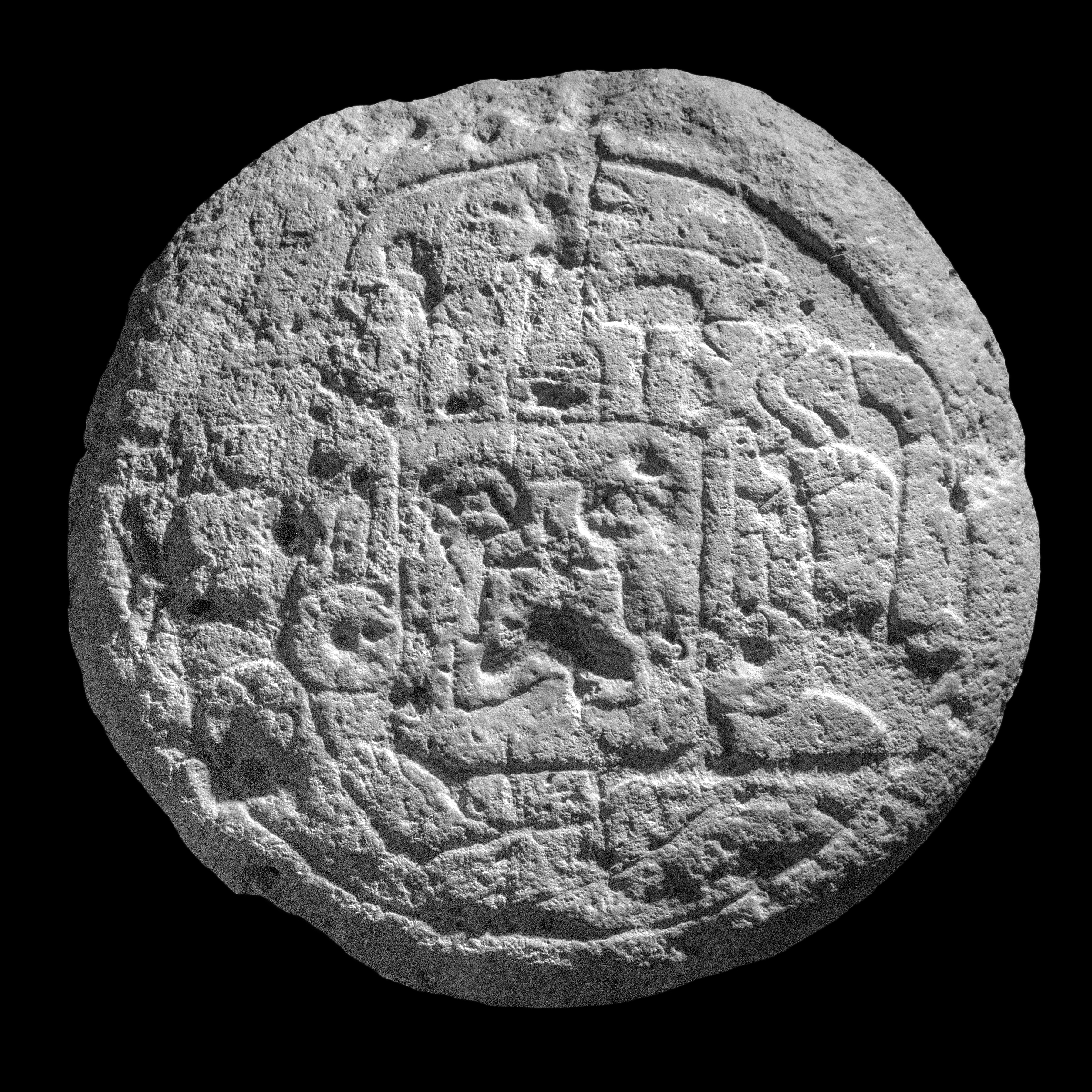
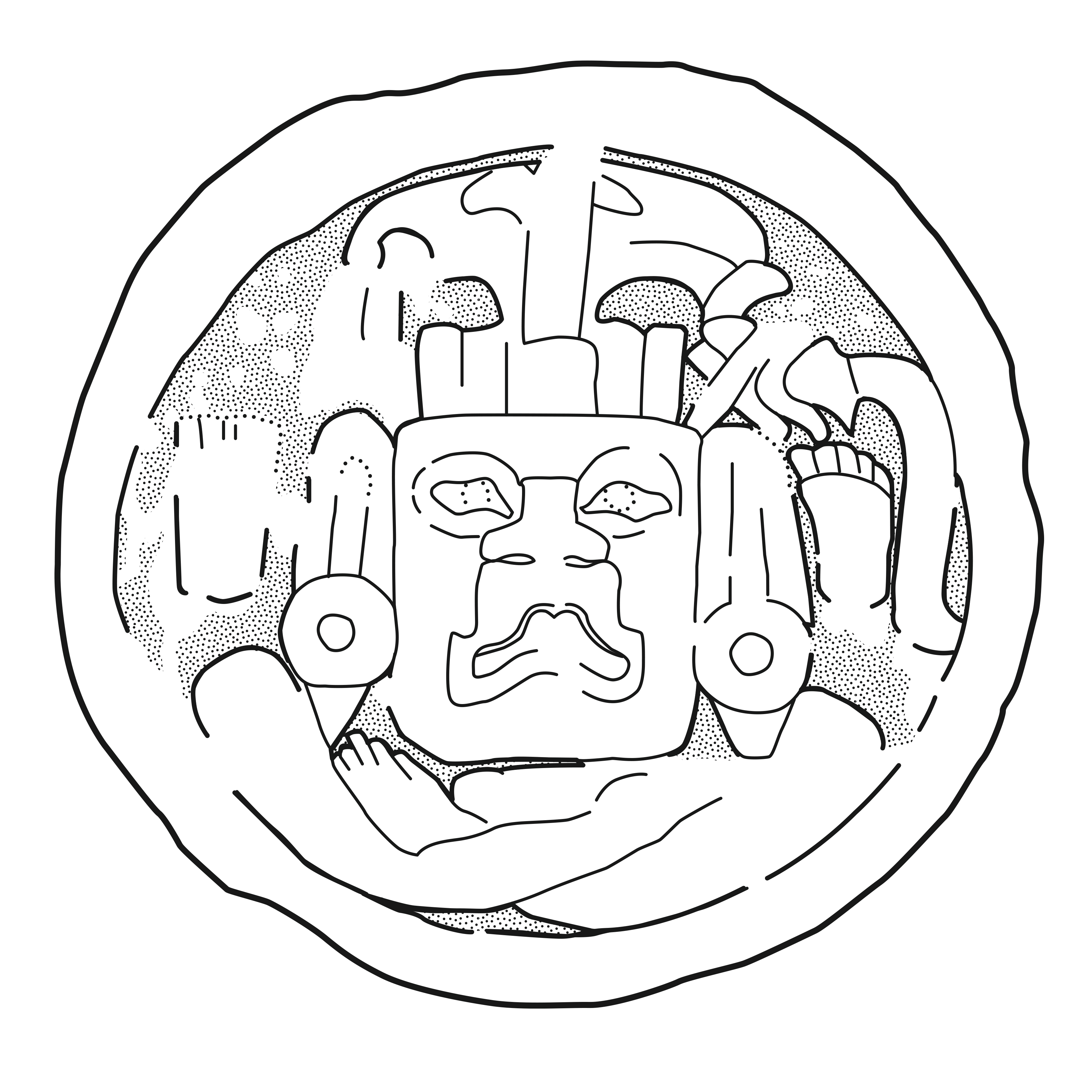
Diameter: 1.31–1.35 m
Thickness: 0.15–0.17 m
Pellicer
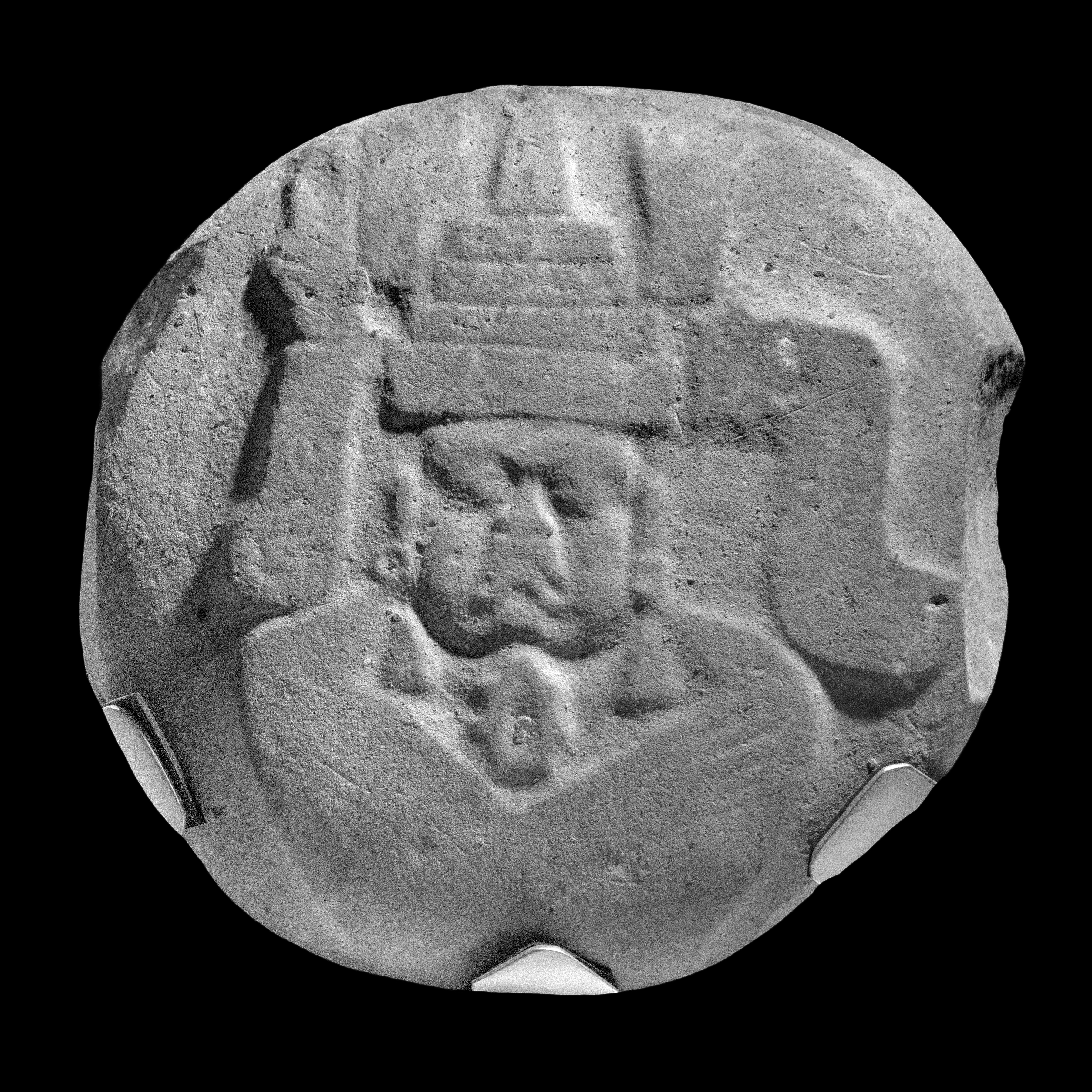
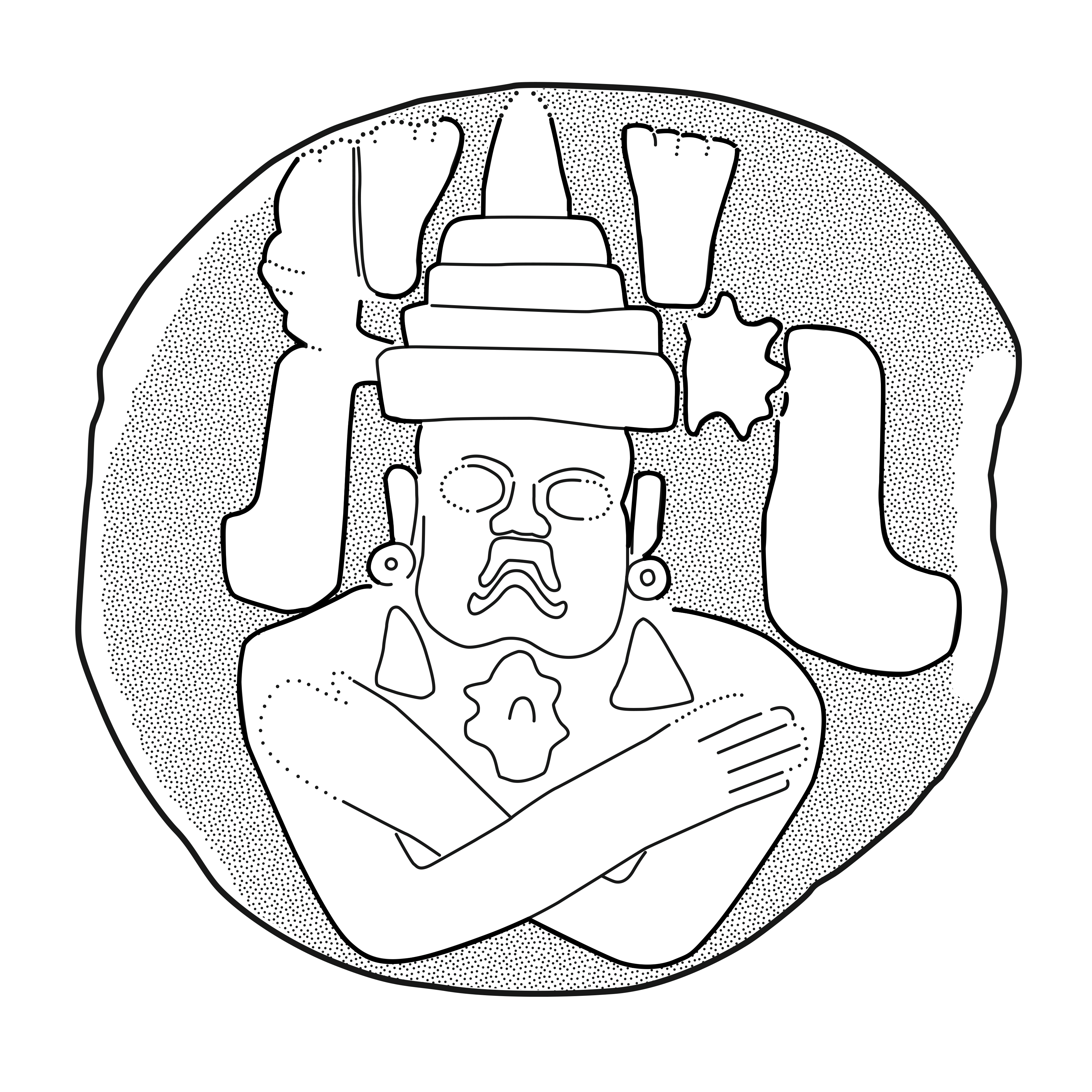
Diameter: 0.63 m
Thickness: 0.19 m
Pomoná 359
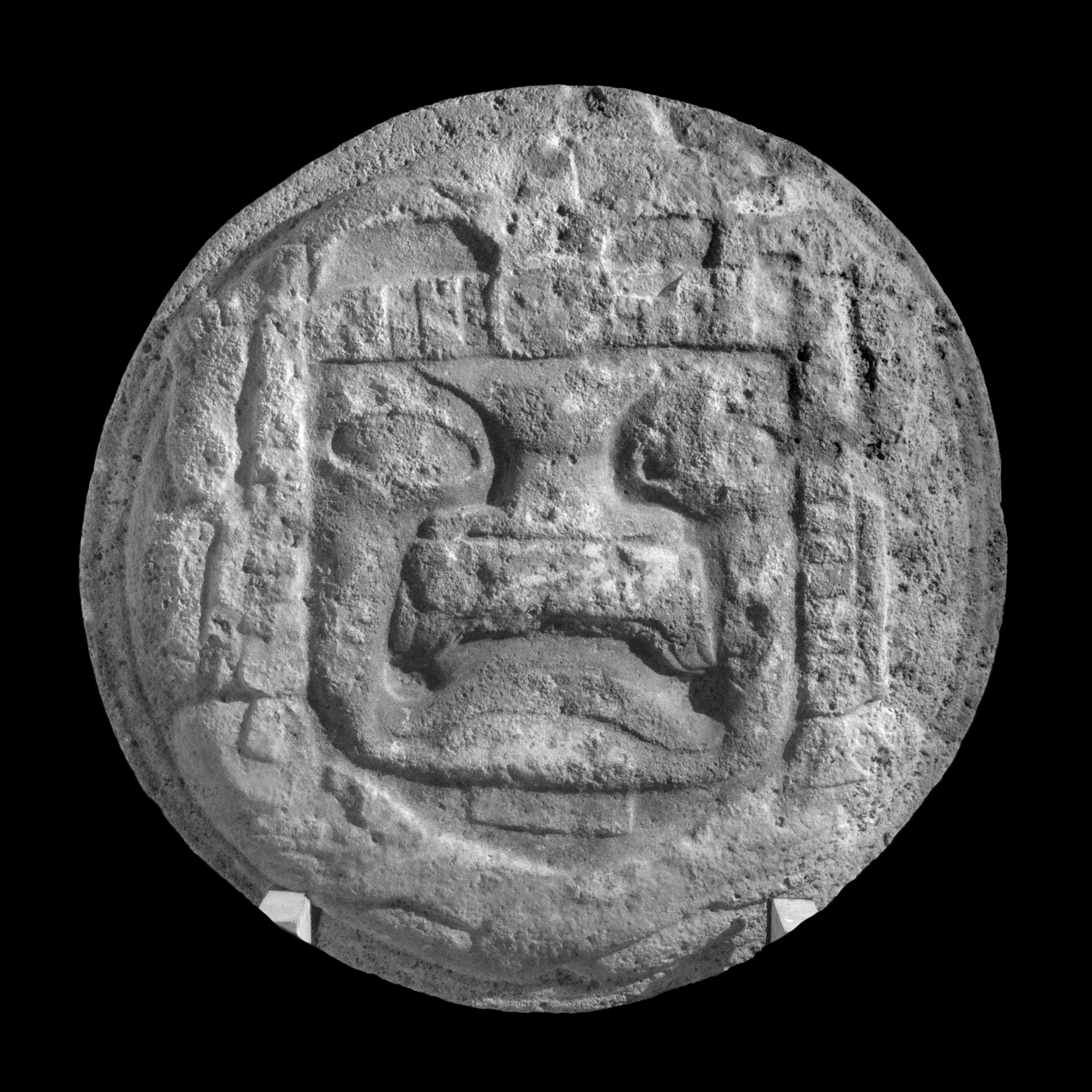
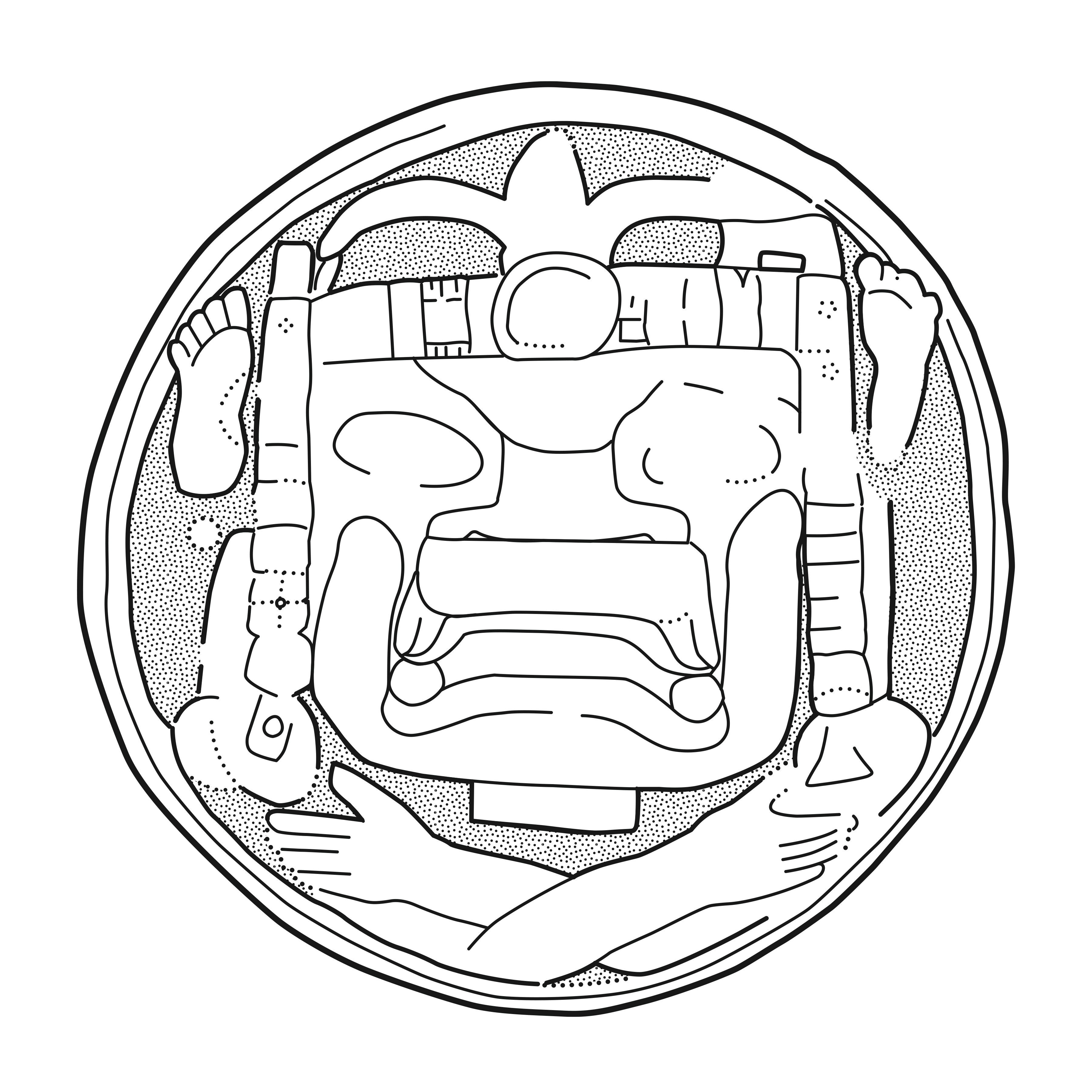
Diameter: 1.35 m
Thickness: 0.23–0.28 m
Pomoná 360
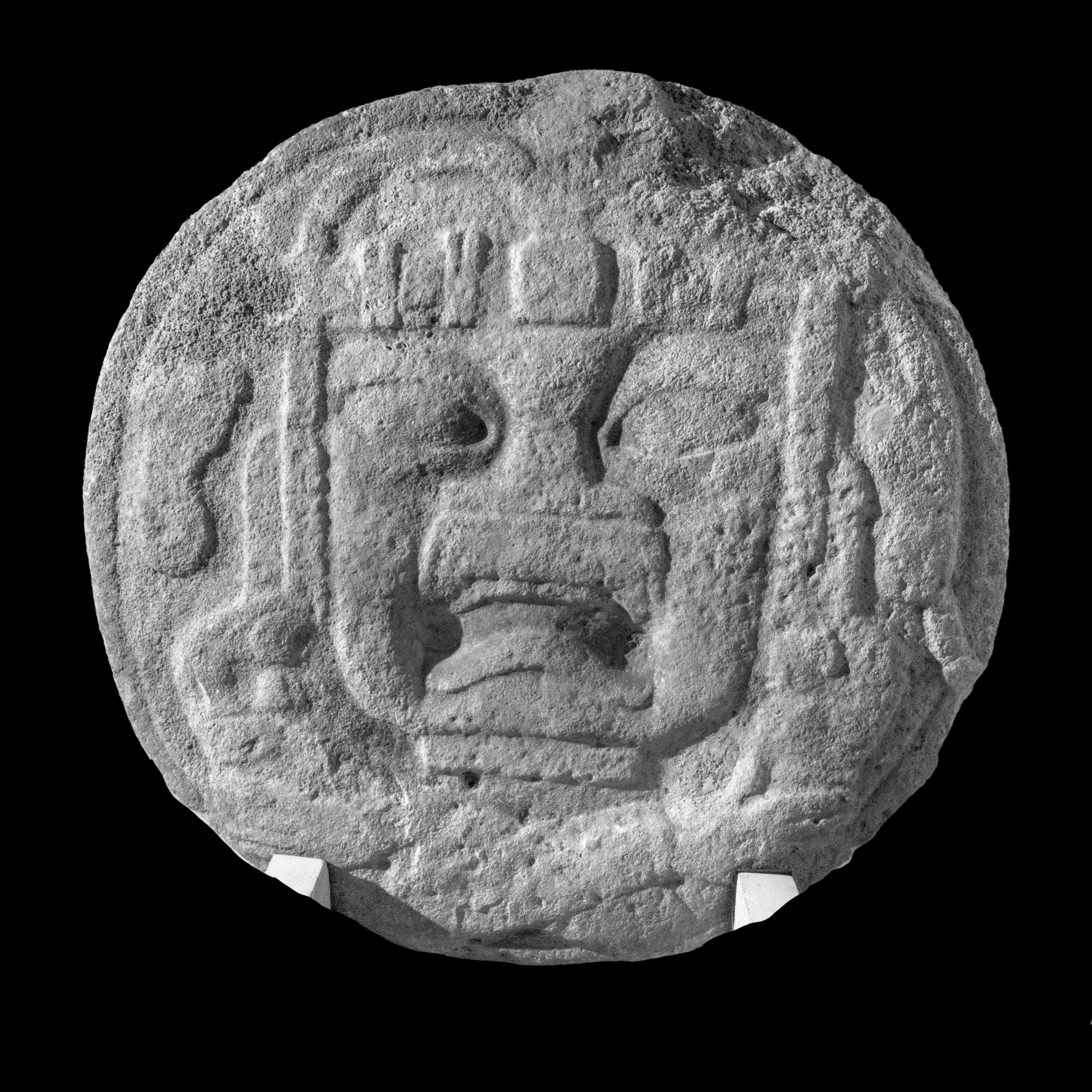
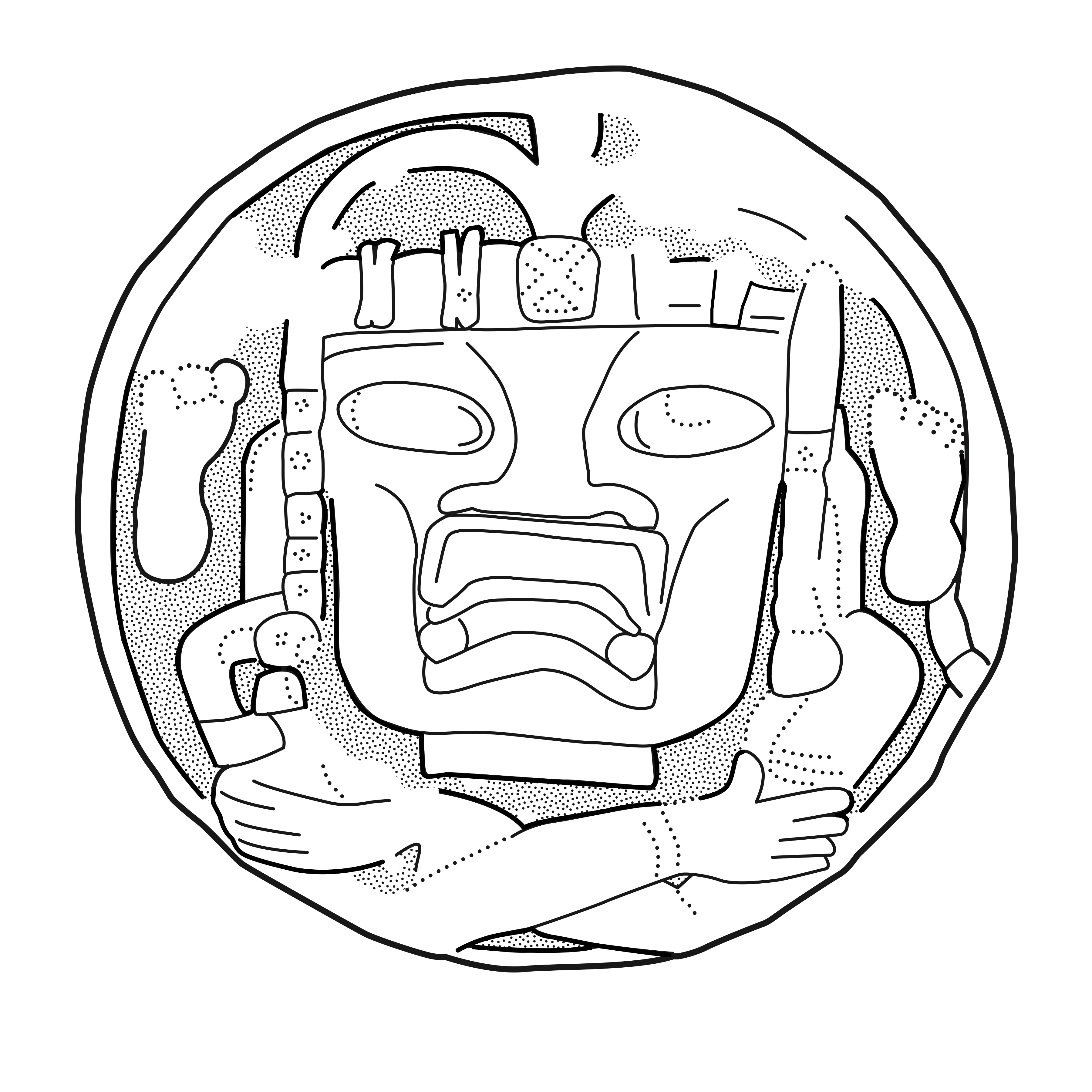
Diameter: 1.04 m
Thickness: 0.19–0.22 m
Pomoná 506
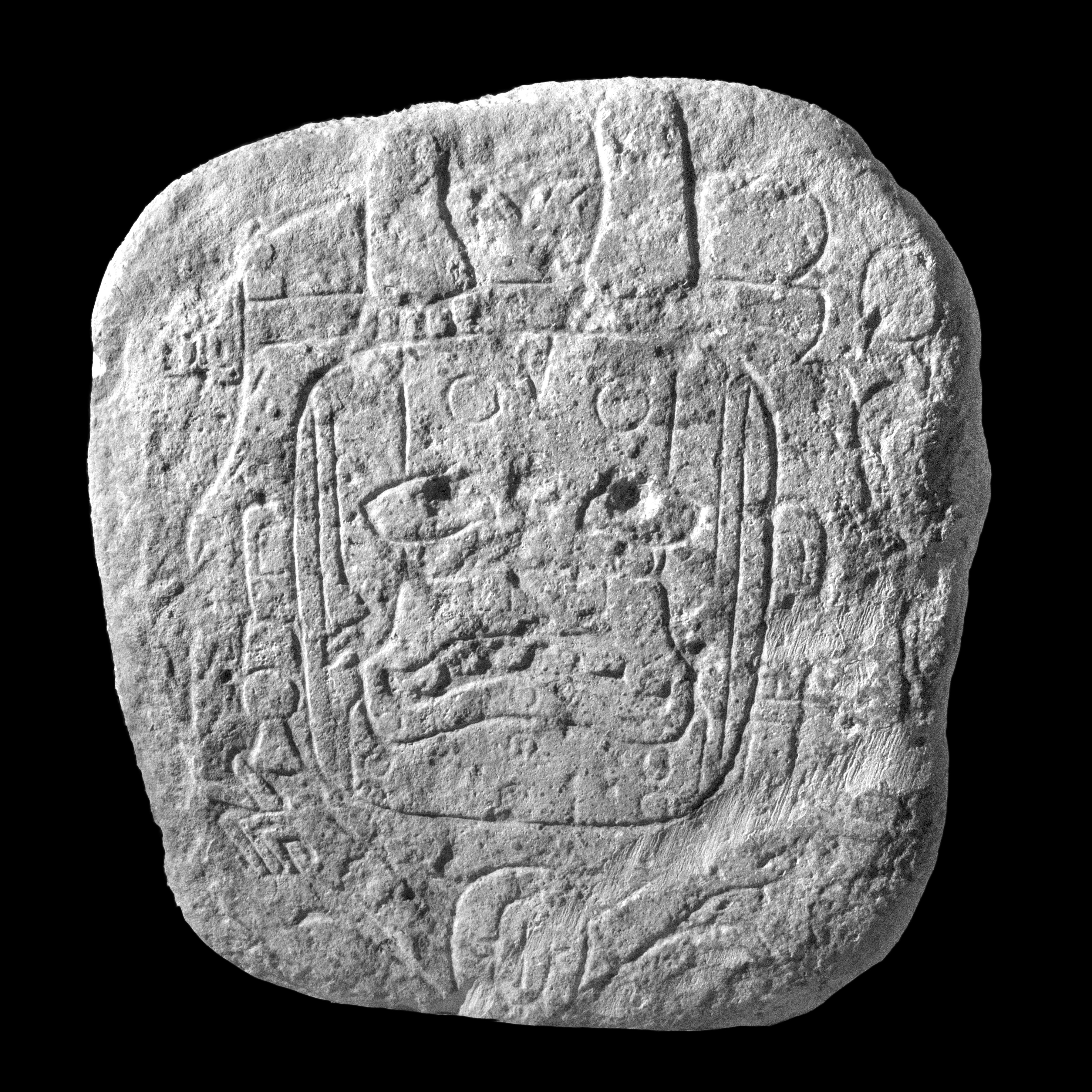
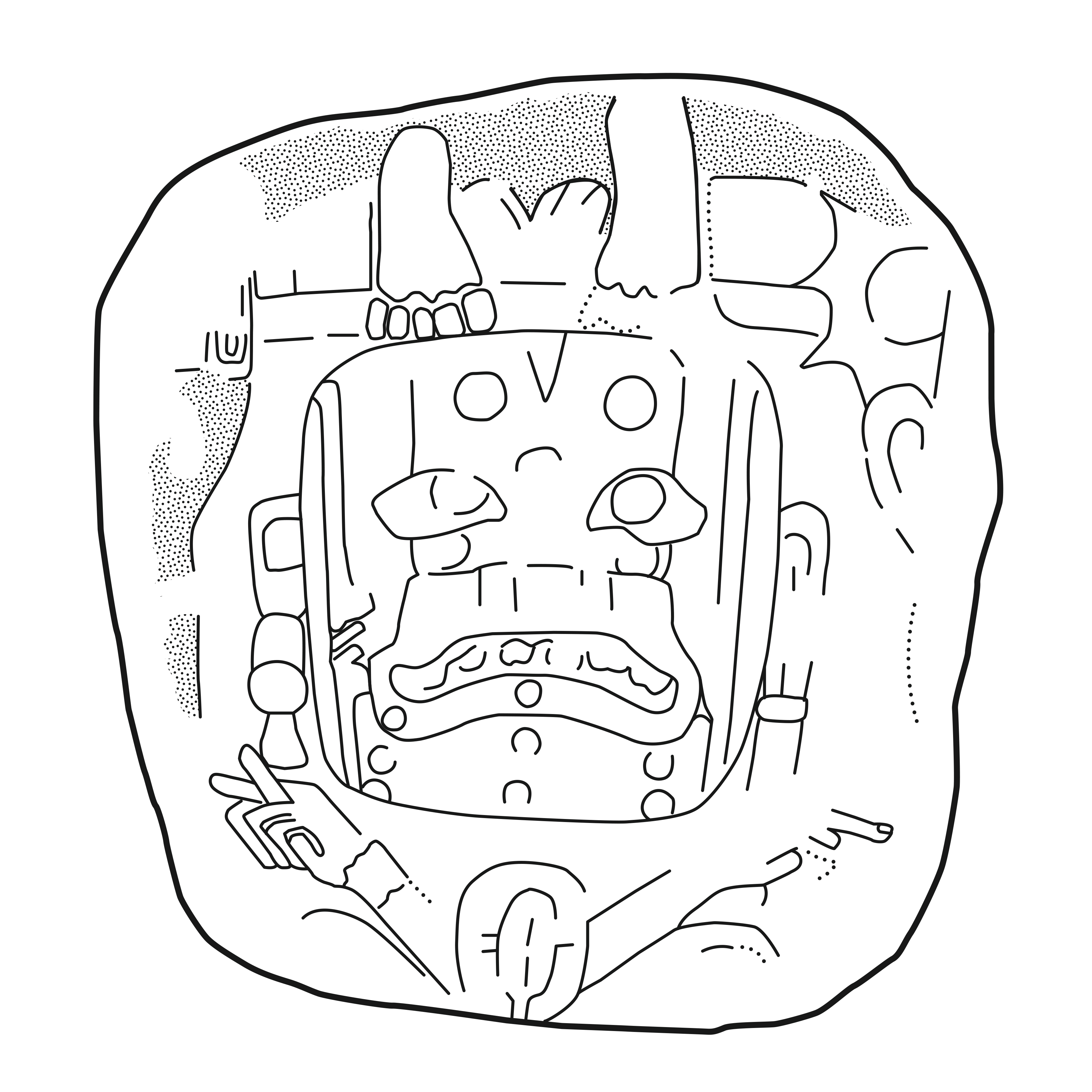
Diameter: 0.82–0.86 m
Thickness: 0.19–0.21 m
Suggested citation: García Mollinedo, Miguel and Bruce Love. “Five Contortionists from Tabasco, Mexico” Contributions to Mesoamerican Studies, April 3, 2026. https://brucelove.com/research/contribution-017
Downloadable PDF: Five Contortionists from Tabasco, Mexico by Miguel García Mollinedo and Bruce Love

The photographs and drawings may be freely used and distributed in non-commercial use and are licensed under the Creative Commons Attribution-Non Commercial-Share Alike 4.0 International License. To view a copy of this license, visit: http://creativecommons.org/licenses/by-nc-sa/4.0
 Contributions to Mesoamerican Studies