
Monuments of Dzibanché, Quintana Roo, Mexico
Dzibanché Captives Introduction
By Dr. Bruce Love
On April 22, 2019, Dr. Sandra Balanzario and I traveled together from Chetumal, Quintana Roo, to the Museo Maya Cancun, where I photographed Dzibanché Monuments 5, 11, 12, 16, and 17. The following day, on April 23, with Balanzario arranging permissions and access, we worked in the Centro INAH Chetumal bodega to photograph monuments 2, 4, 6, 15, 18, 19, 20, 21, and 22. Since both the Museo Cancun and the INAH bodega were indoors, the rooms could be darkened enough to get quality side-lighting from a powerful flash. On April 24, we traveled to the site itself where we photographed fragmentary pieces a-f in the site bodega (Bodega de Materiales Arqueológicos de Campamento de Dzibanché), after which we waited until evening for the necessary darkness to shoot in situ the stairs on Building E13, Temple of the Captives, which displayed Monuments 7, 8, 9, and 10a, b, and c. Drawings were later made by me based on photographs. My photographs and drawings are presented here along with an introduction by Project Director Dr. Sandra Balanzario.
Dzibanché “Kaanu’l” (400 a. C.-1450 d. C.)
By Dr. Sandra Balanzario
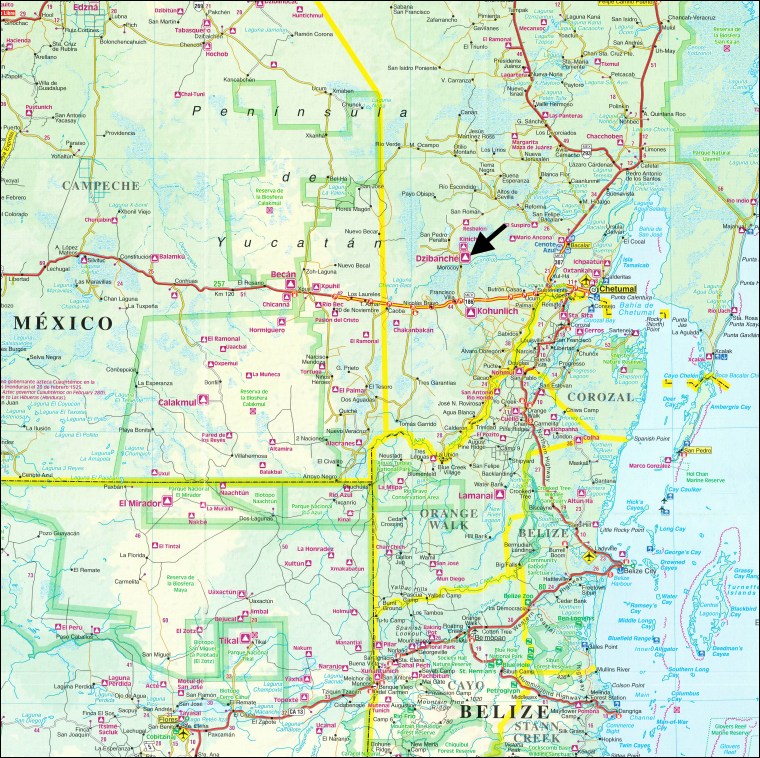
Dzibanché is located in southern Quintana Roo, Mexico. It is a large settlement that integrates civic ceremonial spaces and residential areas, distributed over an area of approximately 65 km², not including the extensive lowland areas dedicated to food production. It is made up of four groups with monumental architecture: the Main Group, Tutil, Kinichná, and Lamay. All groups are connected by causeways or sacbes that are 2 to 2.5 km long. These architectural groups were contemporaneous during most of the Dzibanché occupation sequence, which spans from the Late Preclassic through the entire Late Classic (300 BC–900 AD). This occupation continued, with a smaller population, into the Late Postclassic period, up to 1450 AD.
The archaeological site of Dzibanché was discovered in 1927 by Thomas Gann. During his various visits, Gann recorded the wooden lintel with hieroglyphic inscriptions, a monument located in the upper room of Building E6. This discovery gave rise to the name Dzibanché, meaning “writing on wood.” In 1979, the National Institute of Anthropology and History (INAH) assumed protection of the site, and in 1987, Enrique Nalda carried out the first research project, thus initiating the mapping, excavation, and conservation work at the site. Explorations were conducted over four seasons between 1987 and 1992. It wasn’t until 1993-1994 that Nalda carried out an extensive excavation program at the Main Group and the Kinichná Acropolis, where a map of the settlement was drawn up, supported by topographic surveys of the monumental groups and aerial photography.
In 1993-1994, the National Institute of Anthropology and History promoted archaeological research in southern Quintana Roo through the Special Project for the Archaeology of Southern Quintana Roo (INAH), directed by Enrique Nalda. This project allowed for the formalization of new research at the archaeological sites of Kohunlich and Dzibanché, with the following objectives: understanding the extent of the settlement pattern at each site; exploration and conservation of groups with monumental architecture and residential complexes; and archaeological prospecting in the common lands surrounding the archaeological site of Dzibanché. One of the buildings explored during the 1993-1994 season was building E13, “Temple of the Captives,” located west of building E2, “Temple of the Cormorants.” This building consisted of at least four construction stages, developed during the Classic Period (400-900 AD).
It consists of a large base with double-sloped sections, with recessed moldings and rounded corners, topped by a temple with a wide gallery and terrace. In the Late Classic Period (600 AD), new walls were added to the sections of the base, decorated with stucco masks, and a second gallery of five bays was built, thus reducing the surface area of the temple terrace. Twenty-three monuments with hieroglyphic inscriptions were added. Most of the monuments display representations of captives, with inscriptions, belonging to four hieroglyphic staircases, most of the monuments display representations of captives, with inscriptions indicating the date, the name of the tenth ruler Kaanu’l (Yuhkno’m Ch’e’n I “Shaker of the Cities”) and the name of the prisoner. On monument M5, the figure is shown tied with ropes around his neck and hands, with paper ear ornaments replacing the original jade ones, thus confirming that he is a prisoner of war. Yuknom Chen I ruled from 402 to 455 AD and carried out 16 conquests during the Early Classic period. We believe his burial is located on the acropolis of Kinichná in the “Temple of the Jaguar,” a burial placed in a funerary chamber with a sumptuous offering. Since then, archaeological investigations at the site have continued, allowing us to document monuments, altars, stucco reliefs, and carved bones with hieroglyphic inscriptions associated with the burials of rulers of the Kaanu’l dynasty. Research has documented that the toponym of Dzibanché is Kaanu’l, meaning “place where snakes abound,” a pre-Hispanic settlement of the “Kaanu’l Snake Kings,” the most powerful dynasty in the Mayan area.
Photographs and drawings by Bruce Love.
Monuments of Dzibanché, Quintana Roo, Mexico (photographed in 2019)
click on the image then the (i) in the lower right to view full image
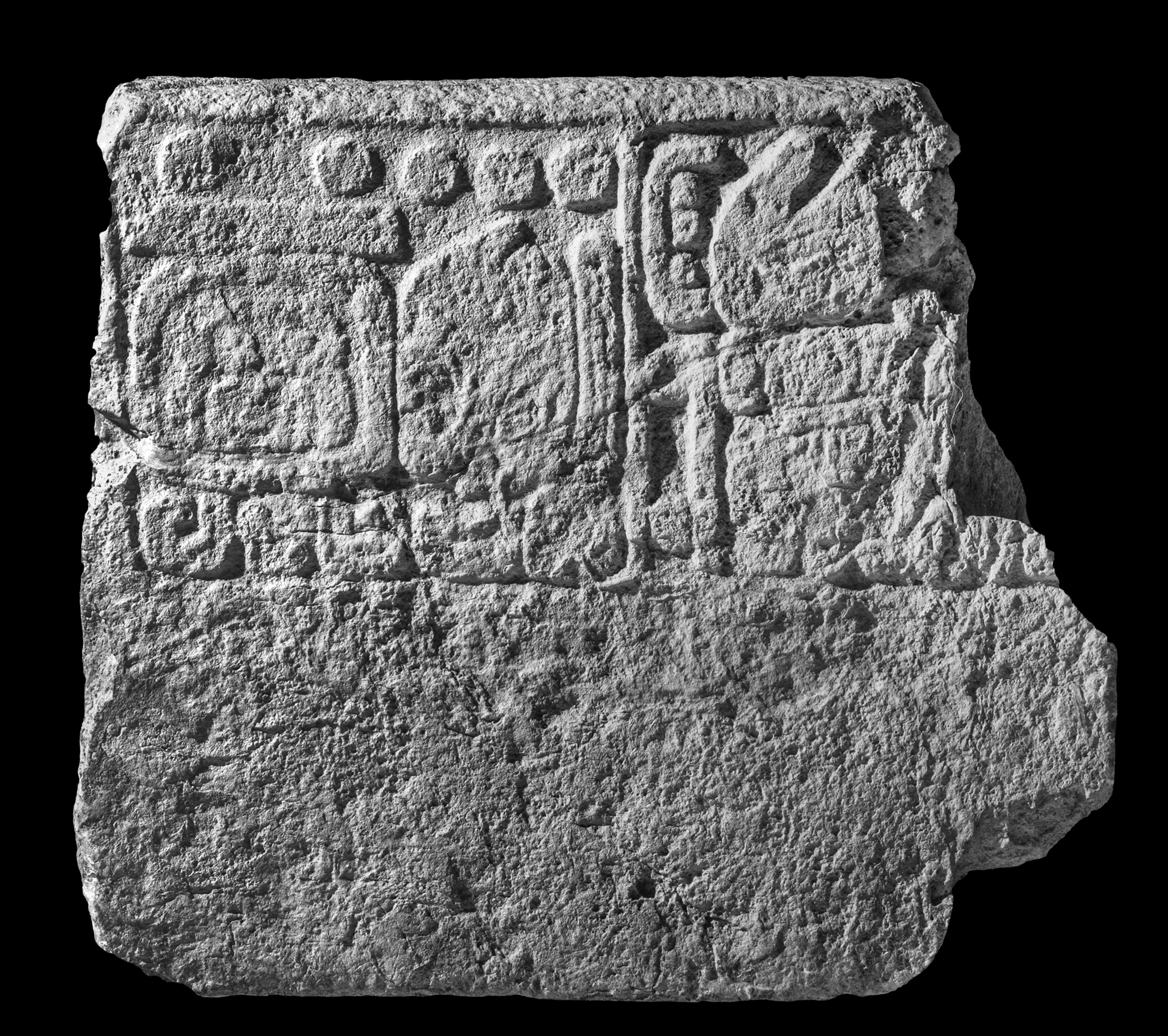
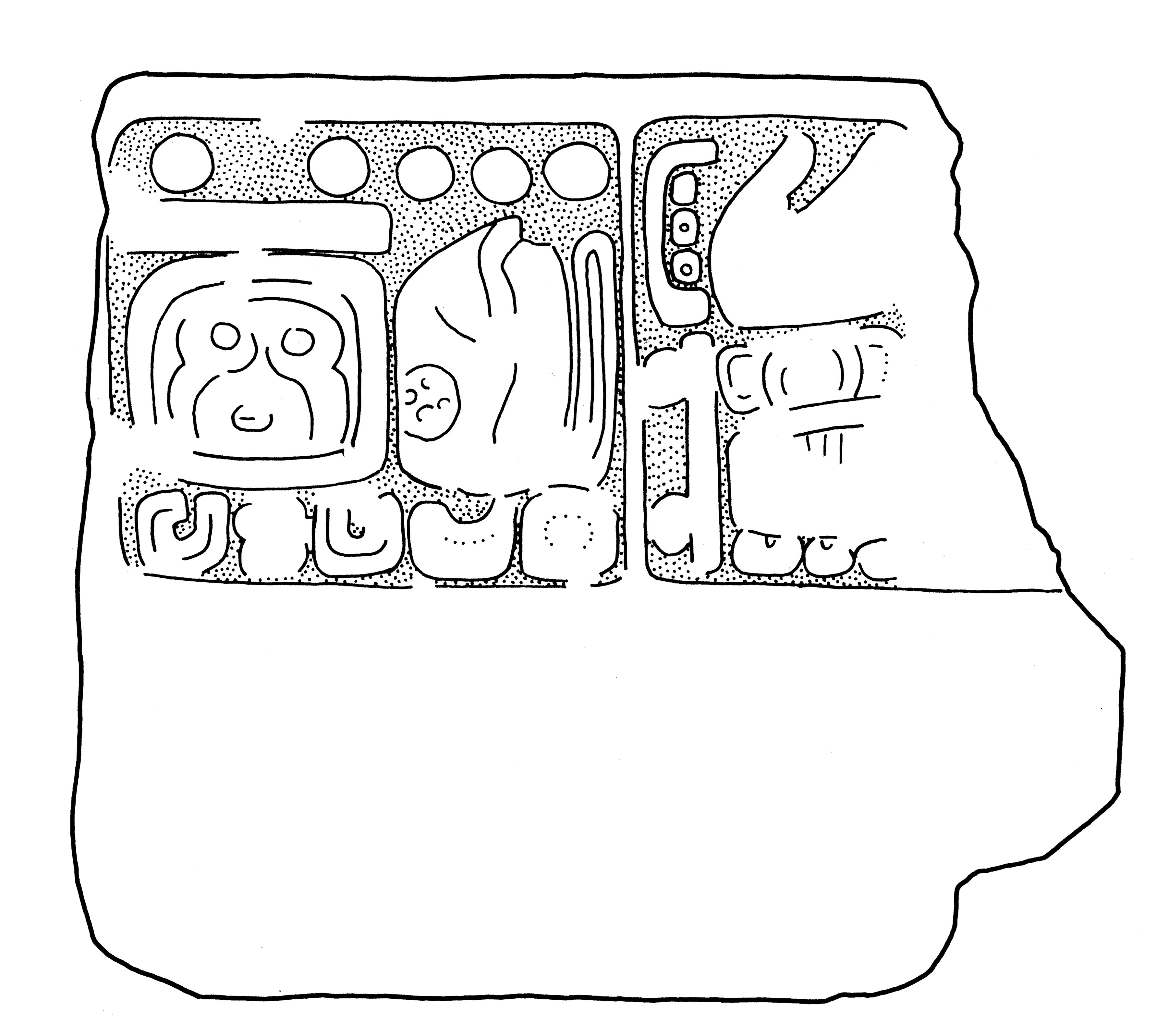
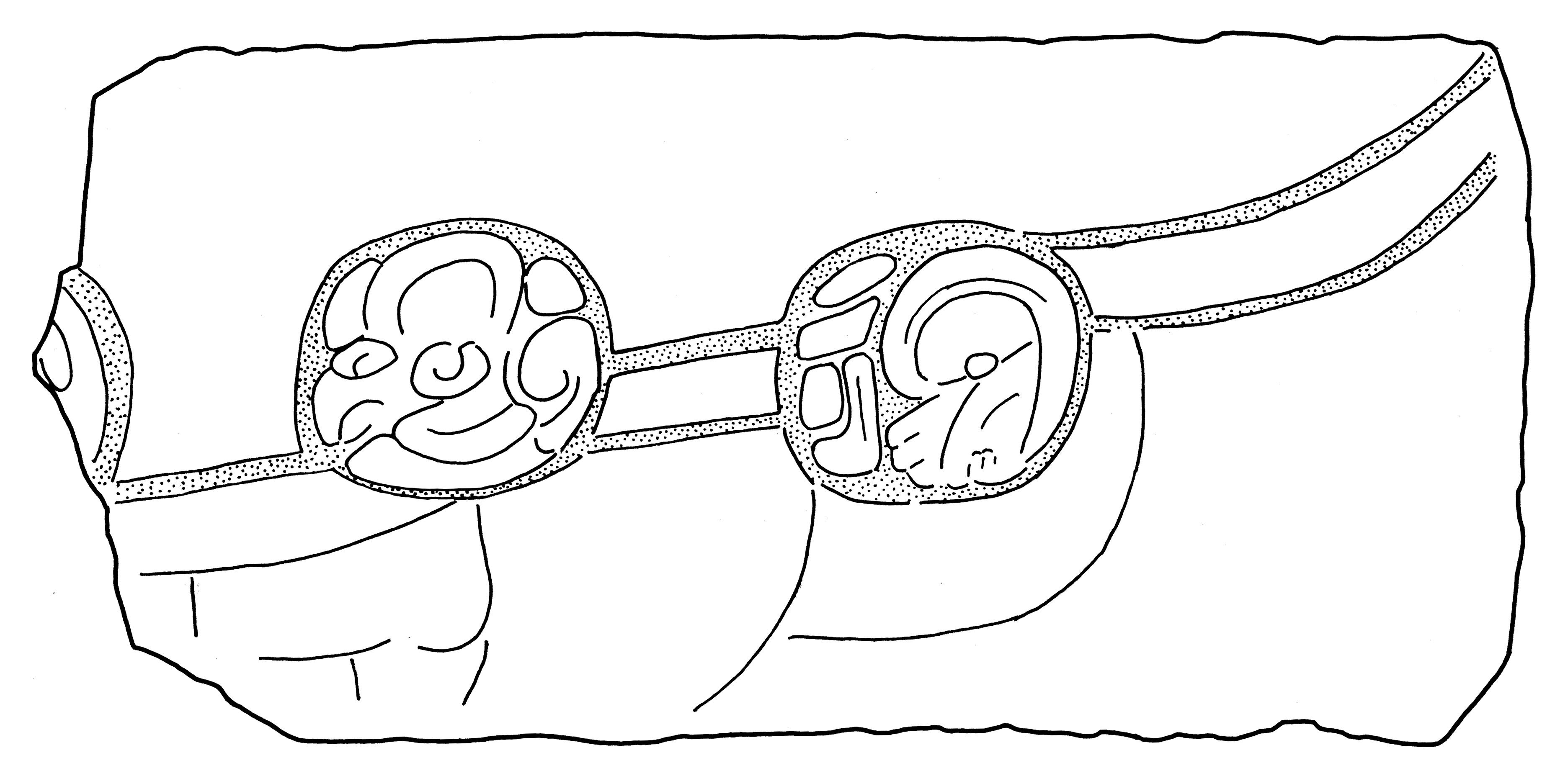
Monument 2a
Height: 0.53 m
Width: 0.62 m
Thickness: 0.15-0.17 m
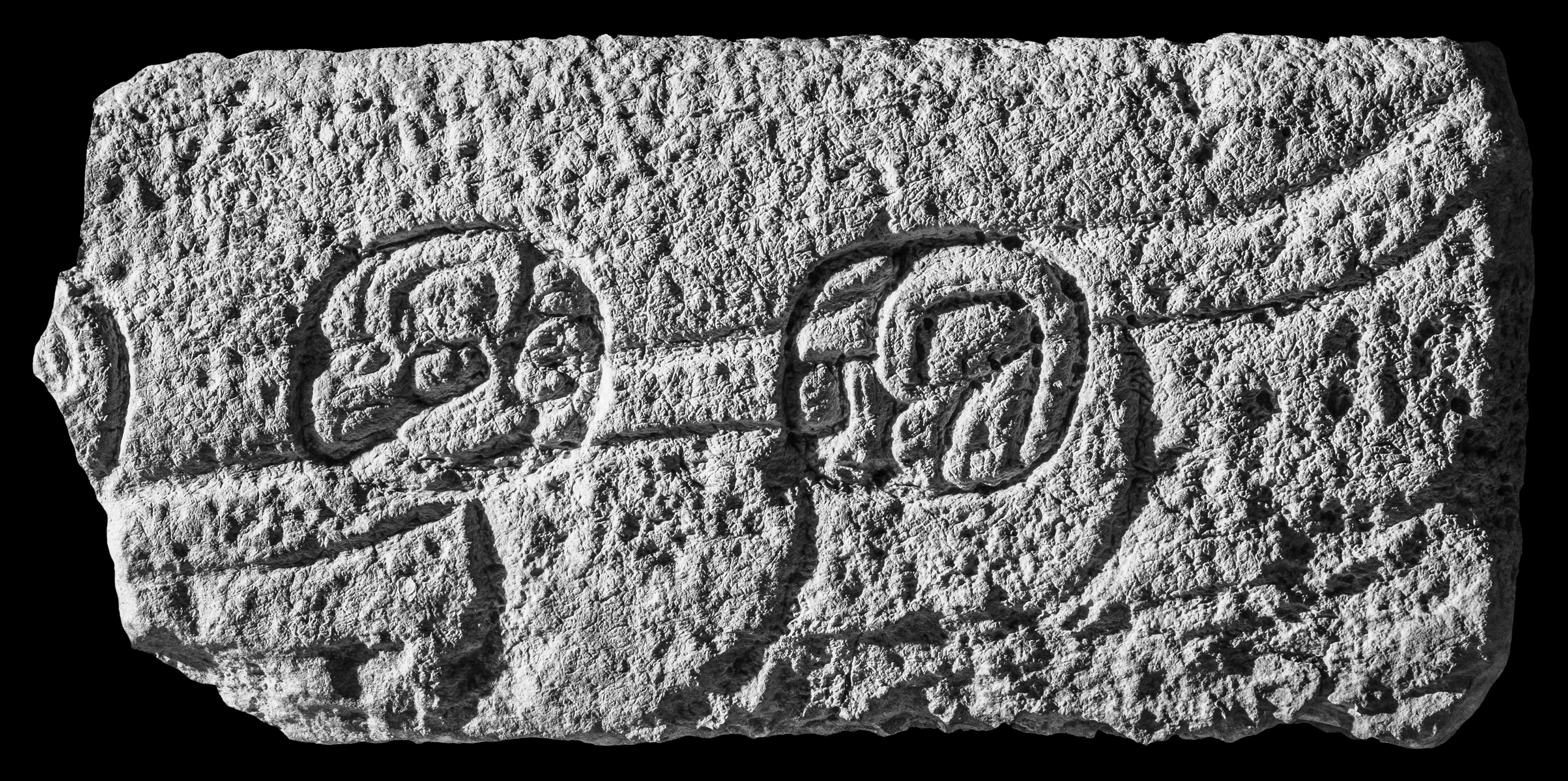
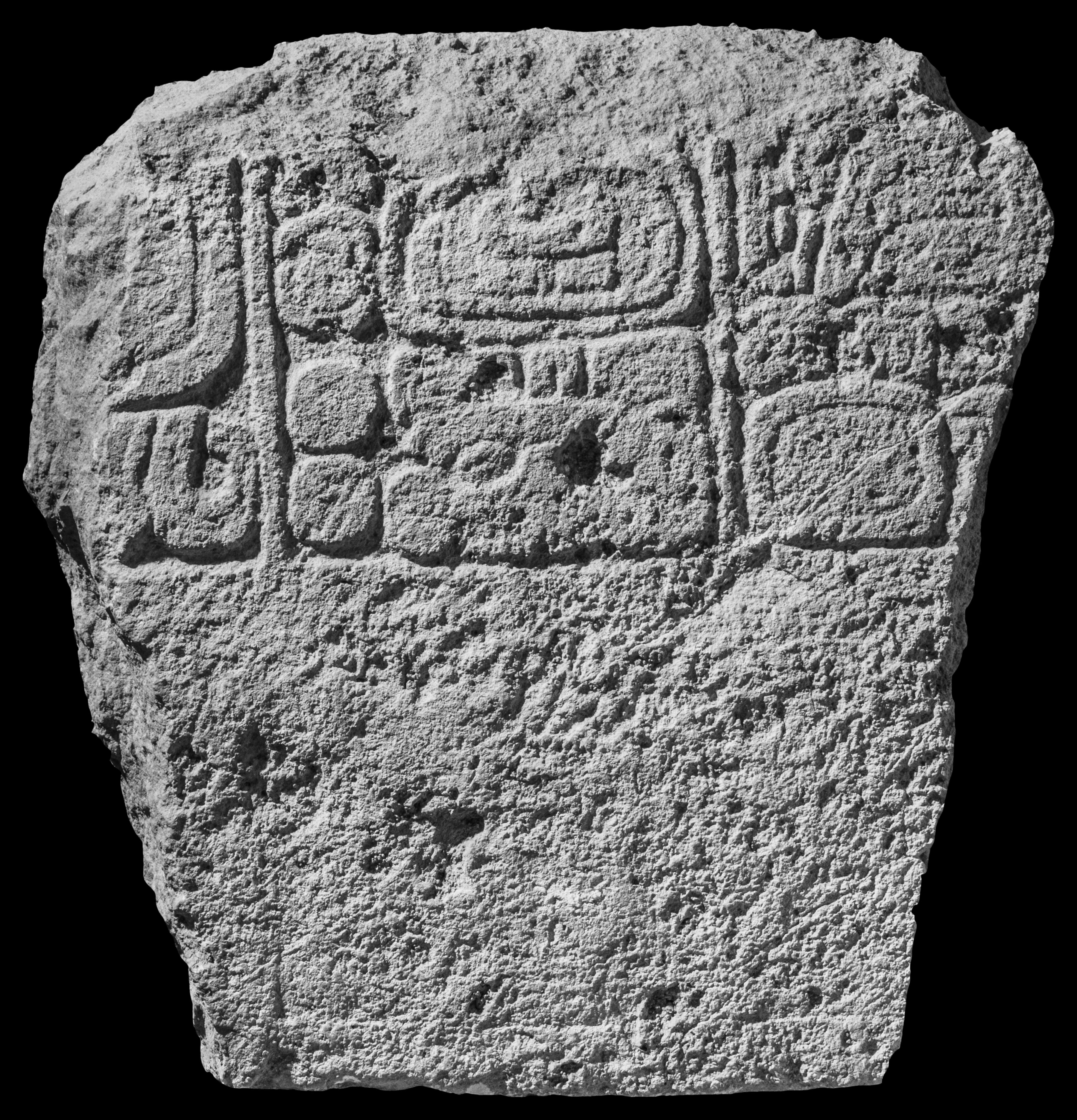
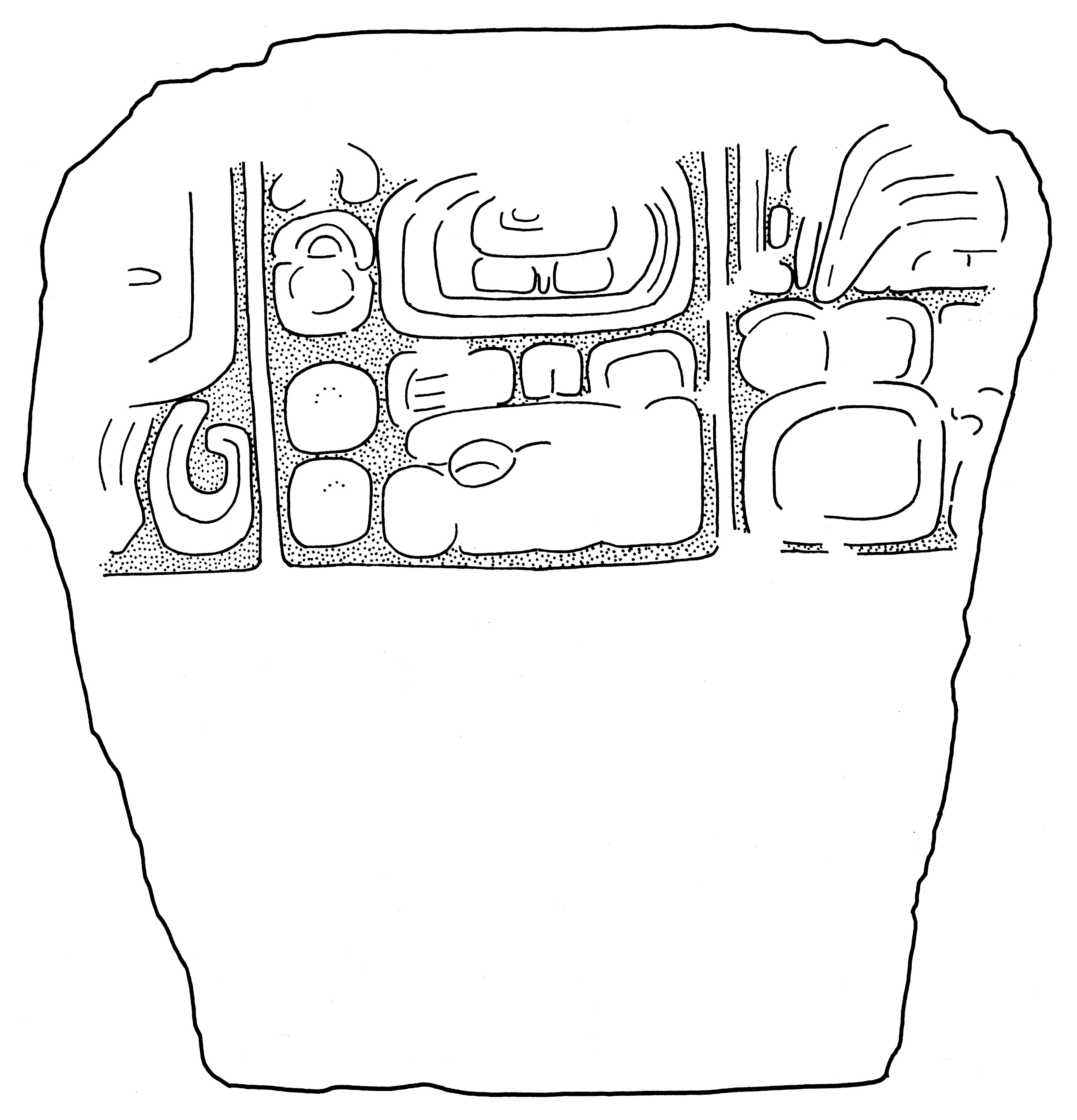
Monument 2b
Height: 0.23 m
Width: 0.49 m
Thickness: unknown
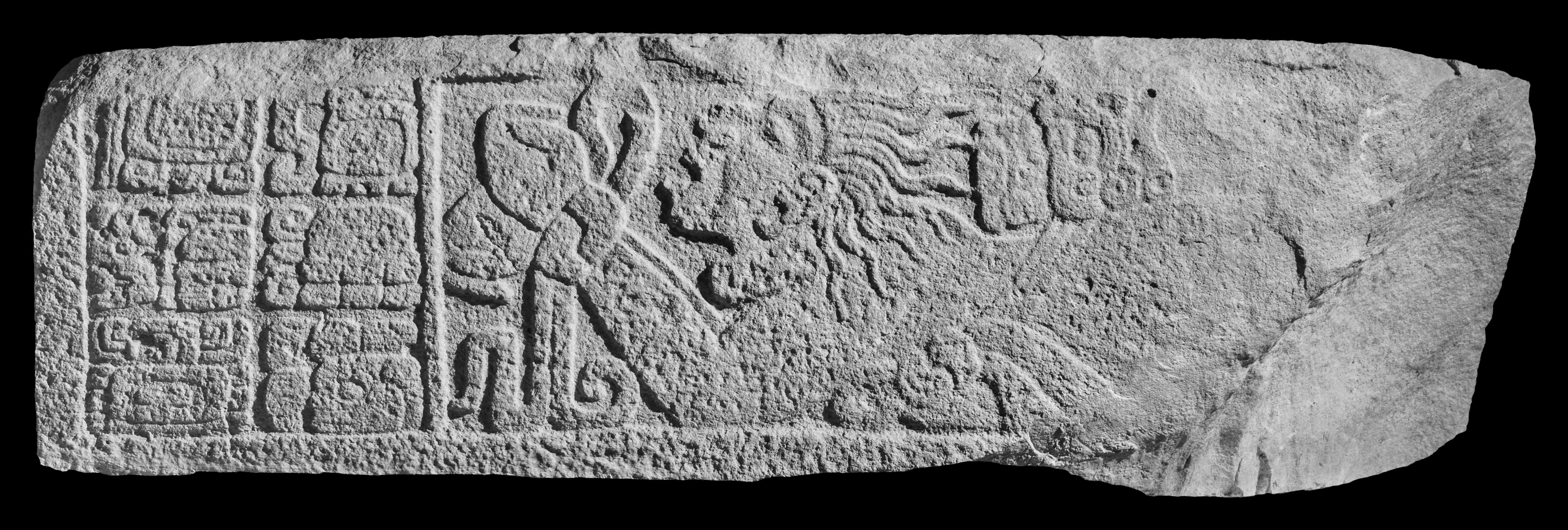
Monument 4
Height: 0.56 m
Width: 0.48 m
Thickness: unknown
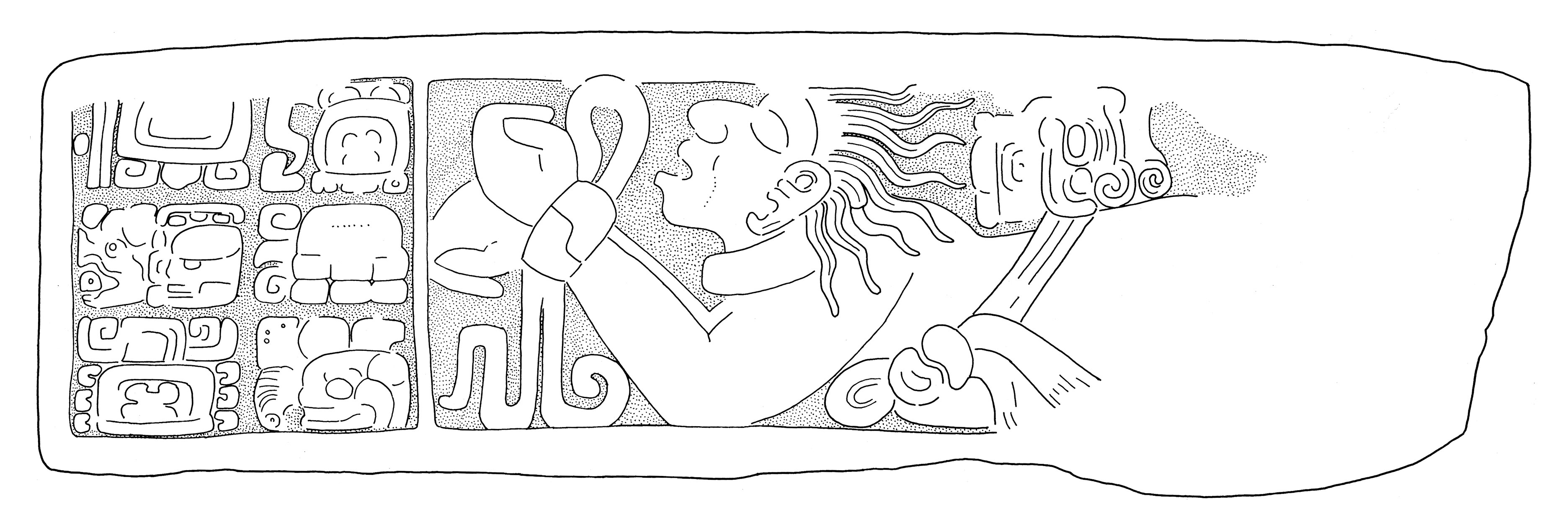
Monument 5
Height: unknown
Width: unknown
Thickness: unknown
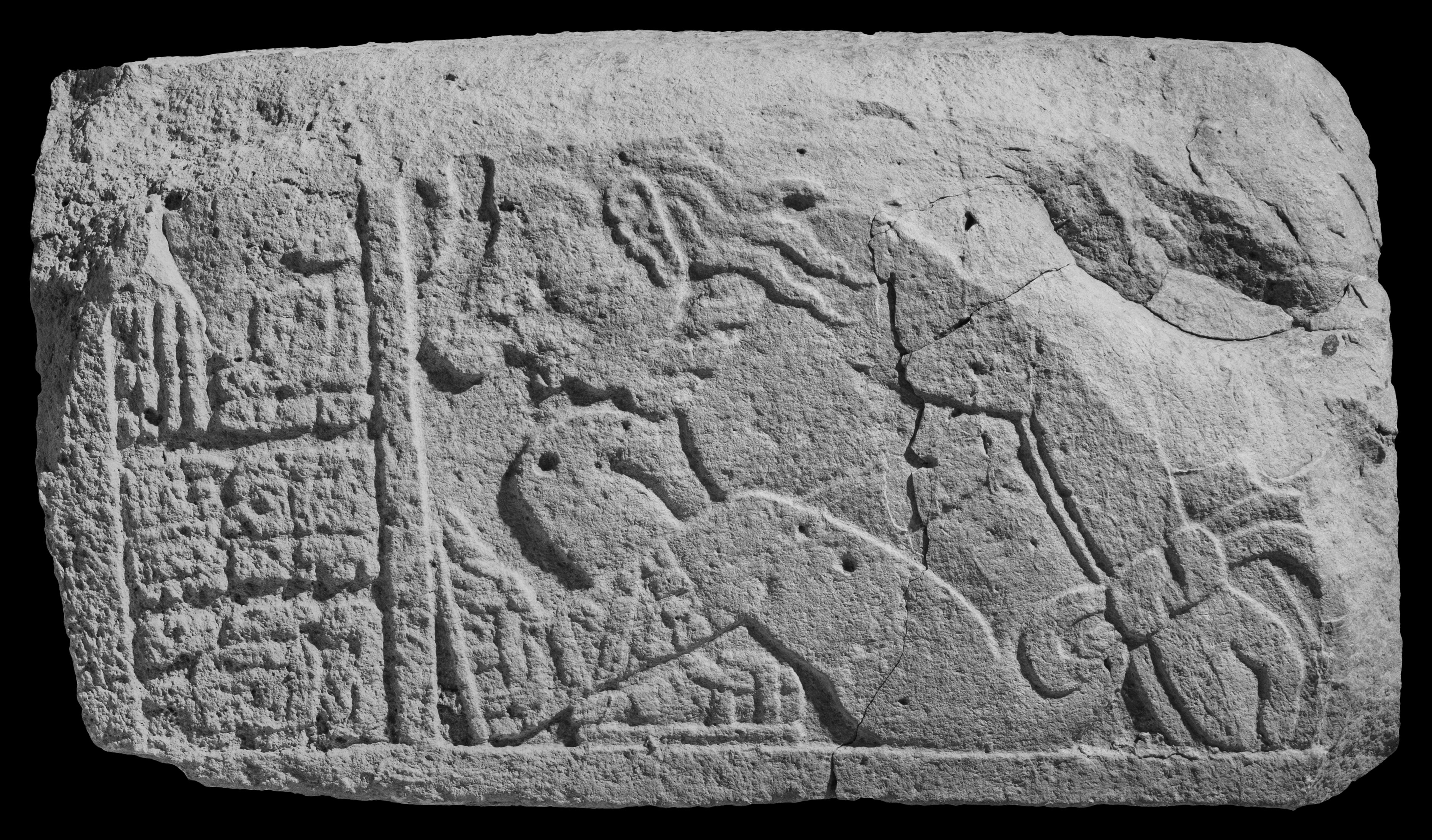
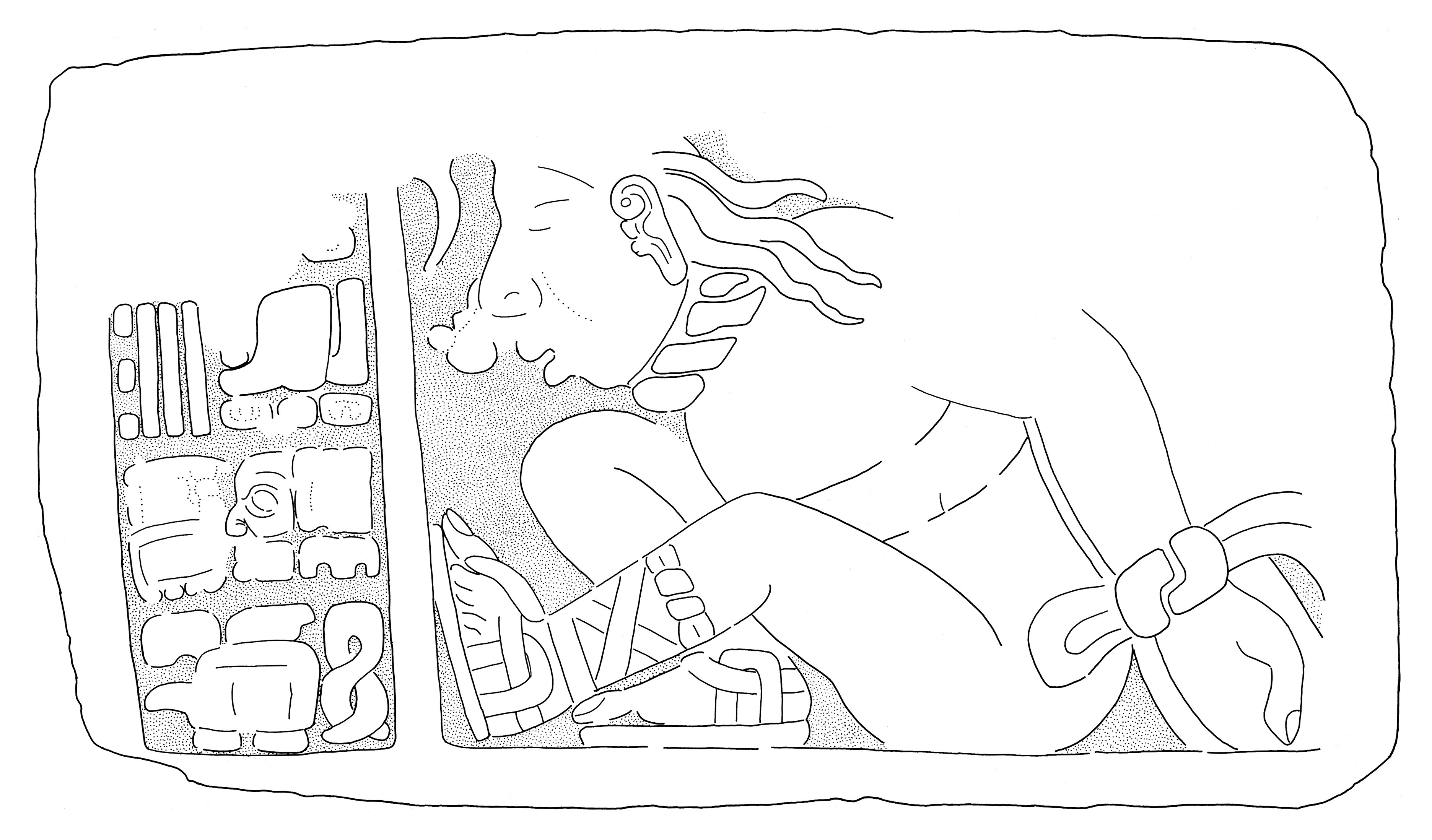
Monument 6
Height: 0.35 m
Width: 0.65 m
Thickness: unknown
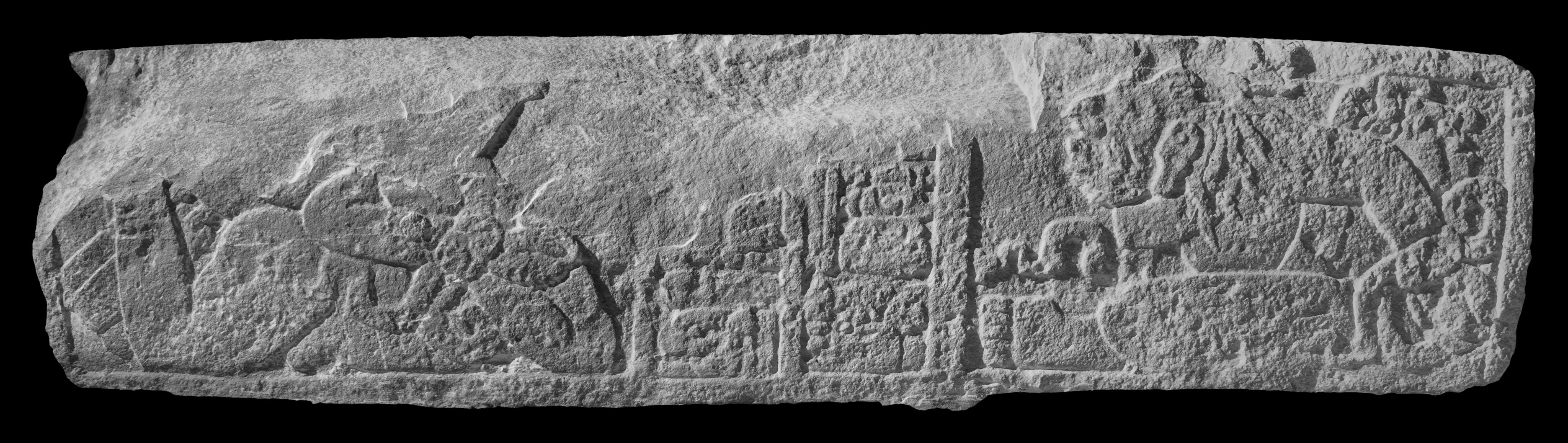
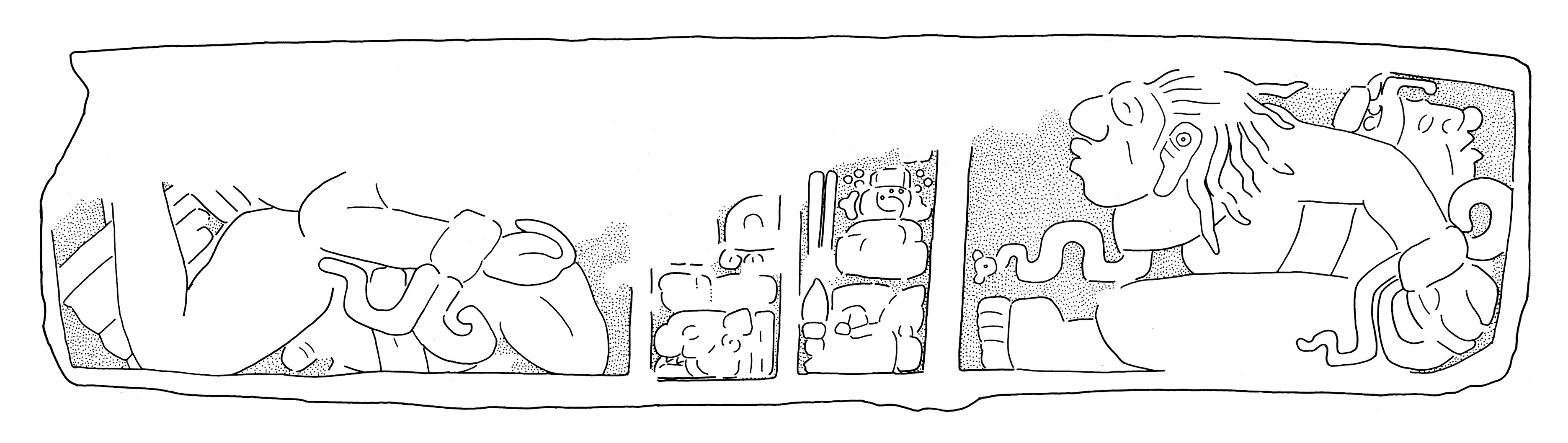
Monument 7
Height: 0.37 m
Width: 1.48 m
Thickness: 0.53 m
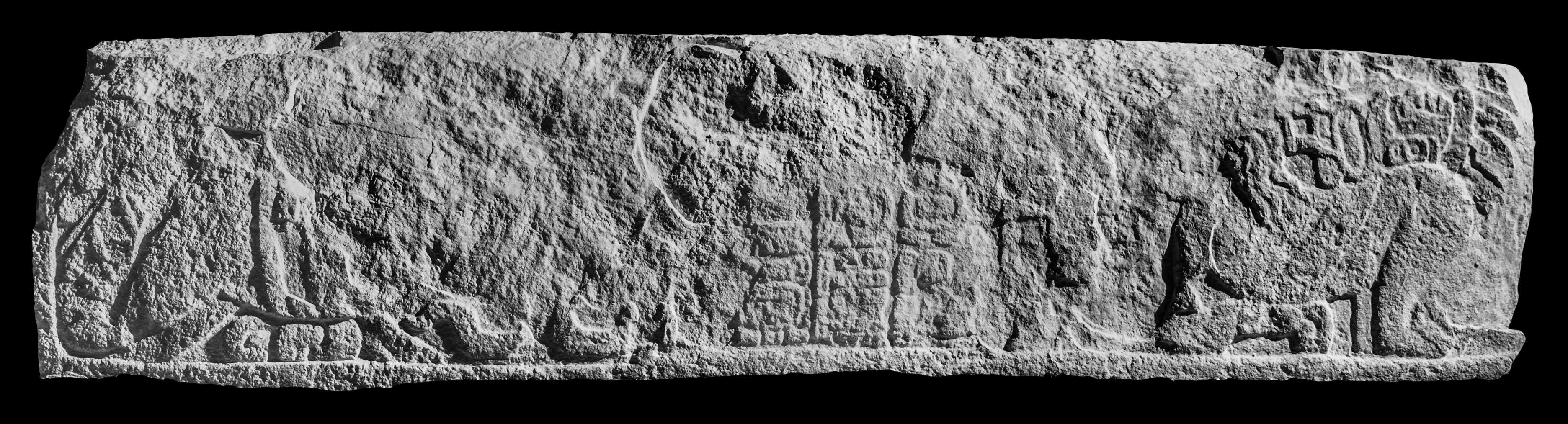
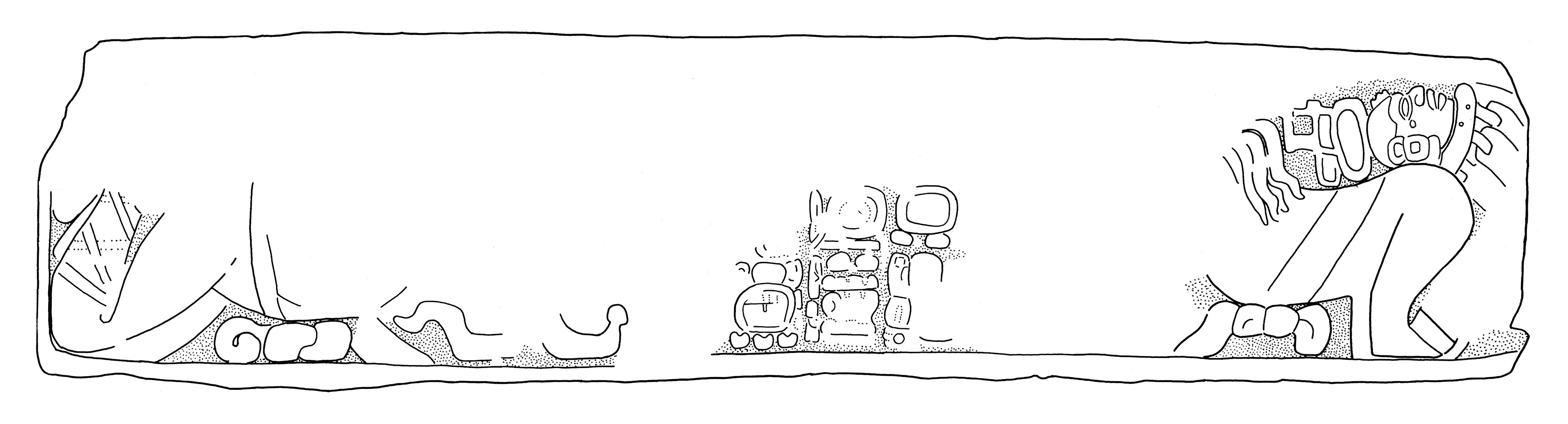
Monument 8
Height: 0.34 m
Width: 1.65 m
Thickness: unknown
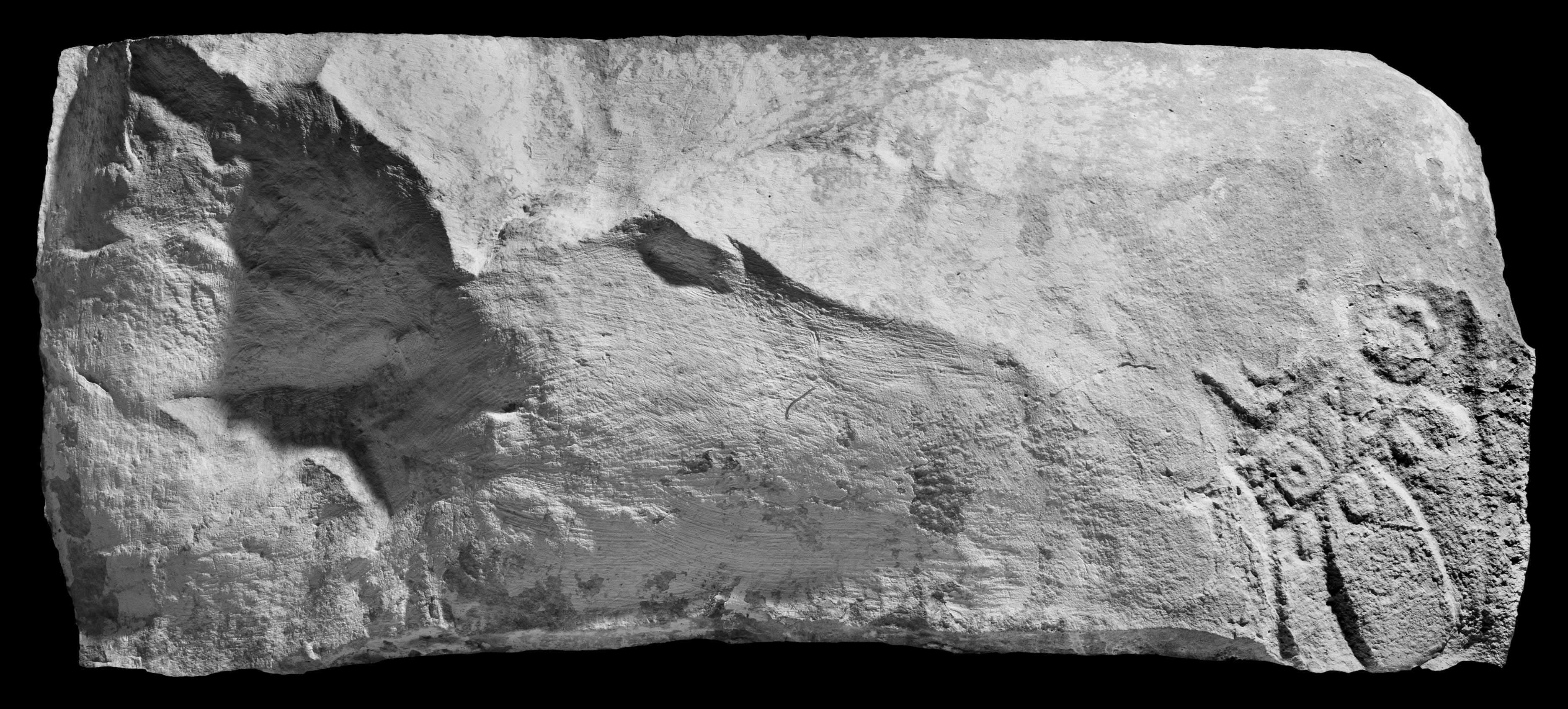
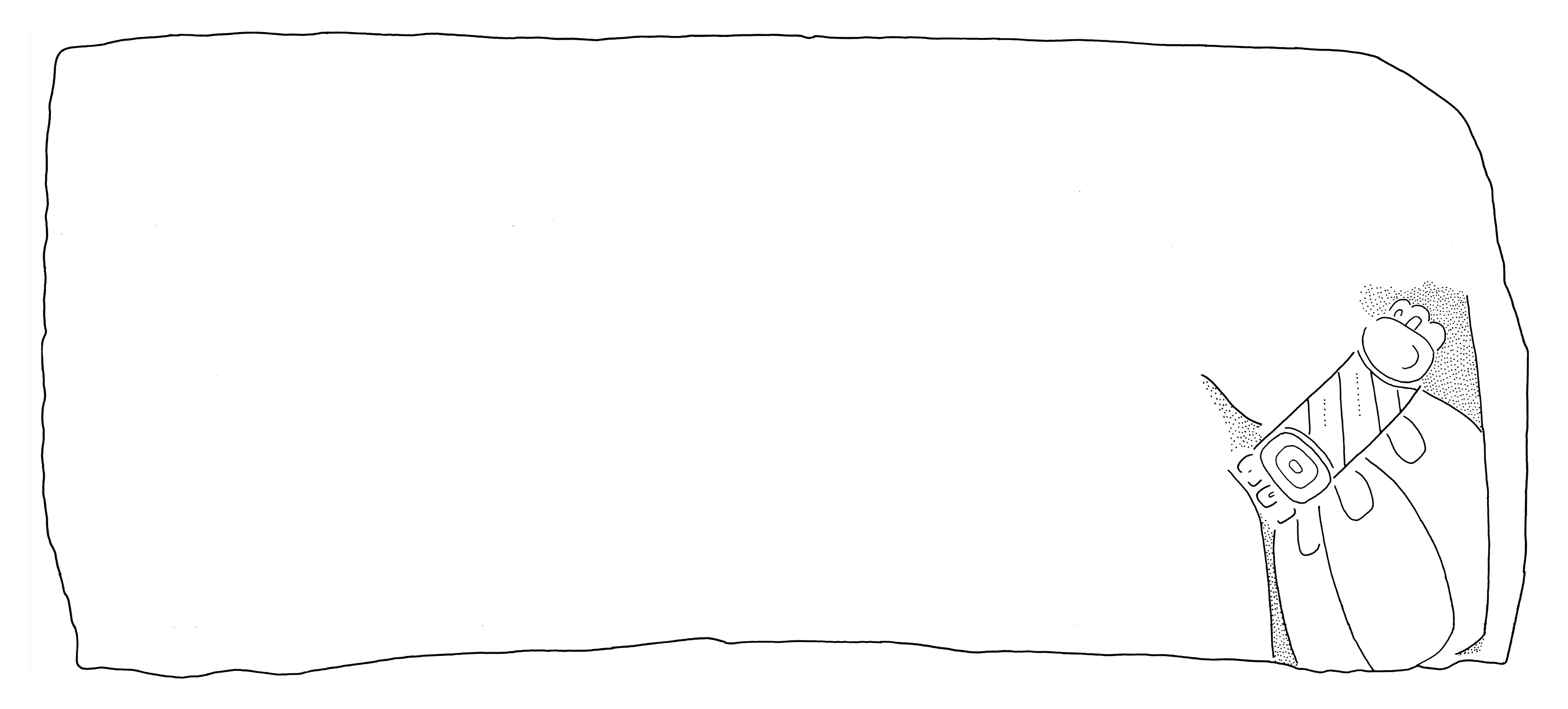
Monument 9
Height: 0.31 m
Width: 0.70 m
Thickness: 0.42 m
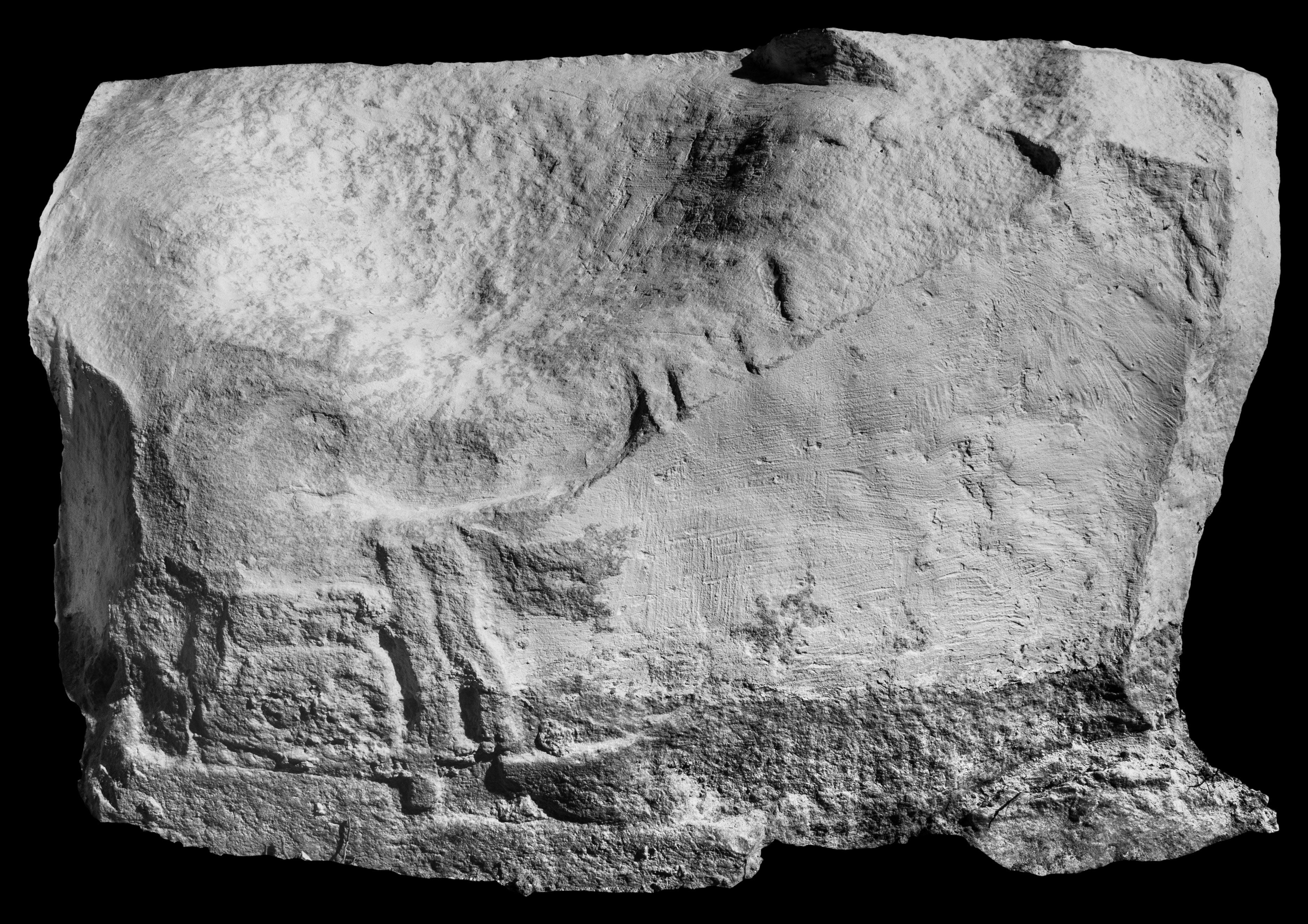
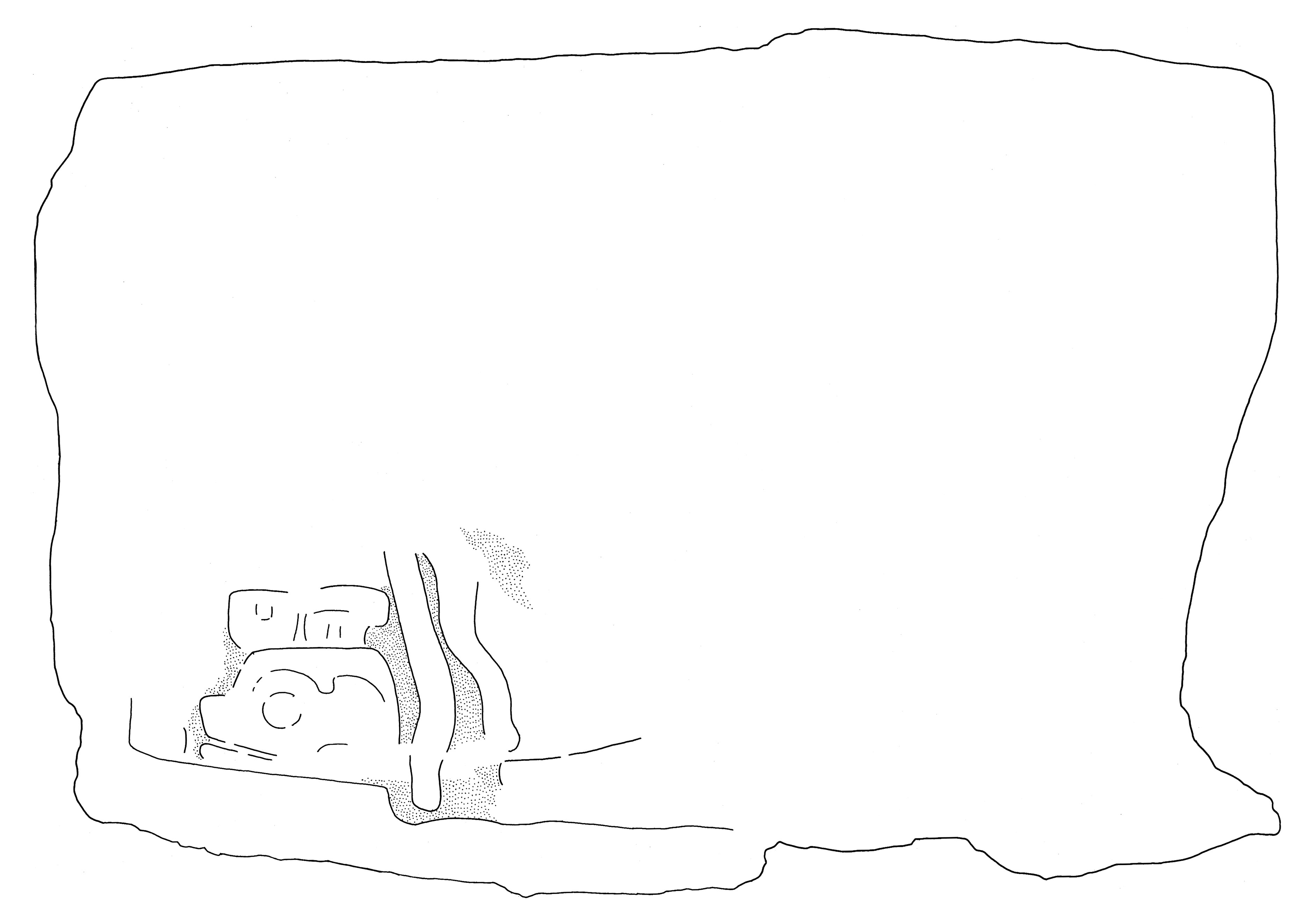
Monument 10a
Height: unknown
Width: 0.60 m
Thickness: unknown
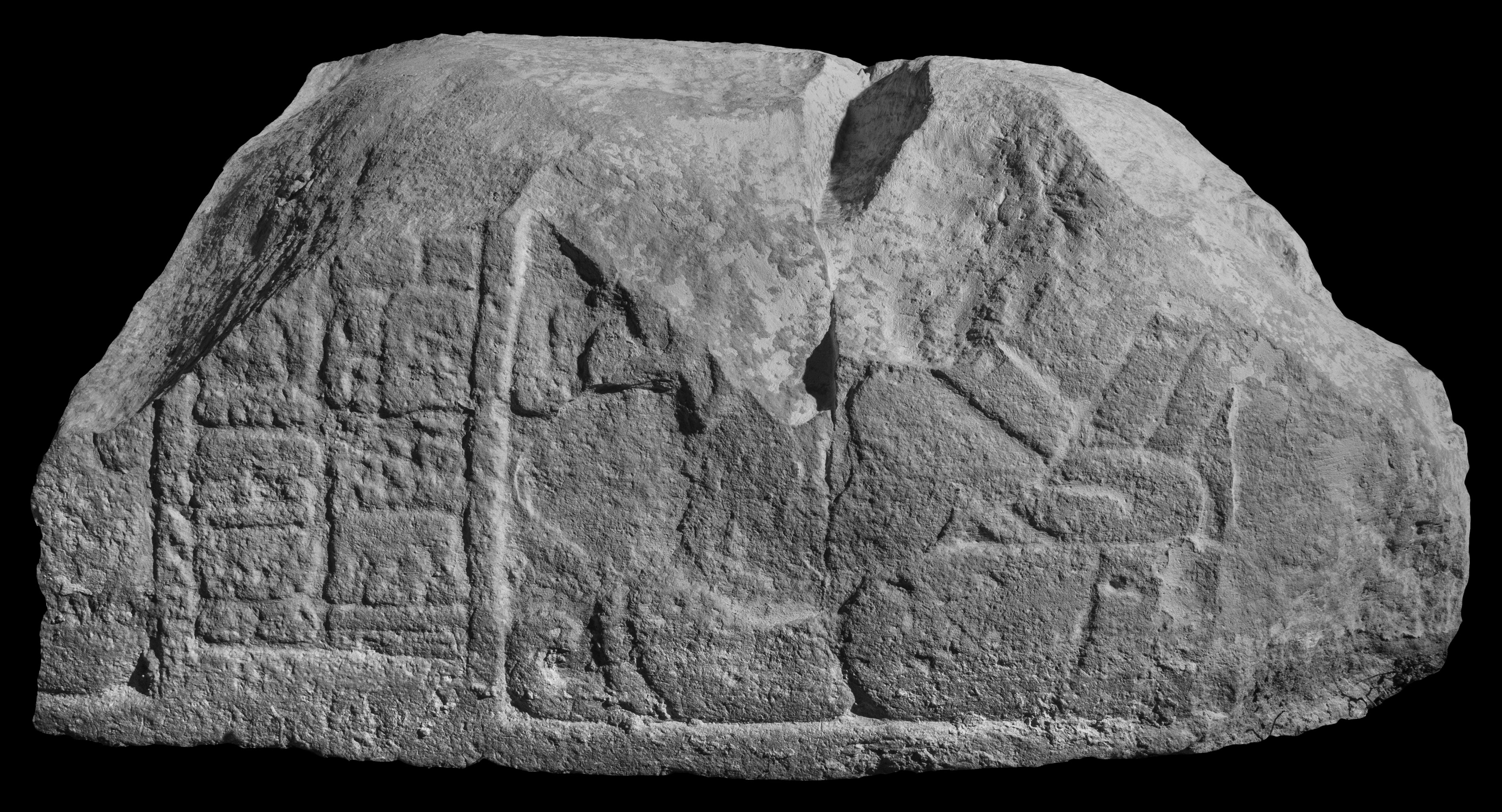
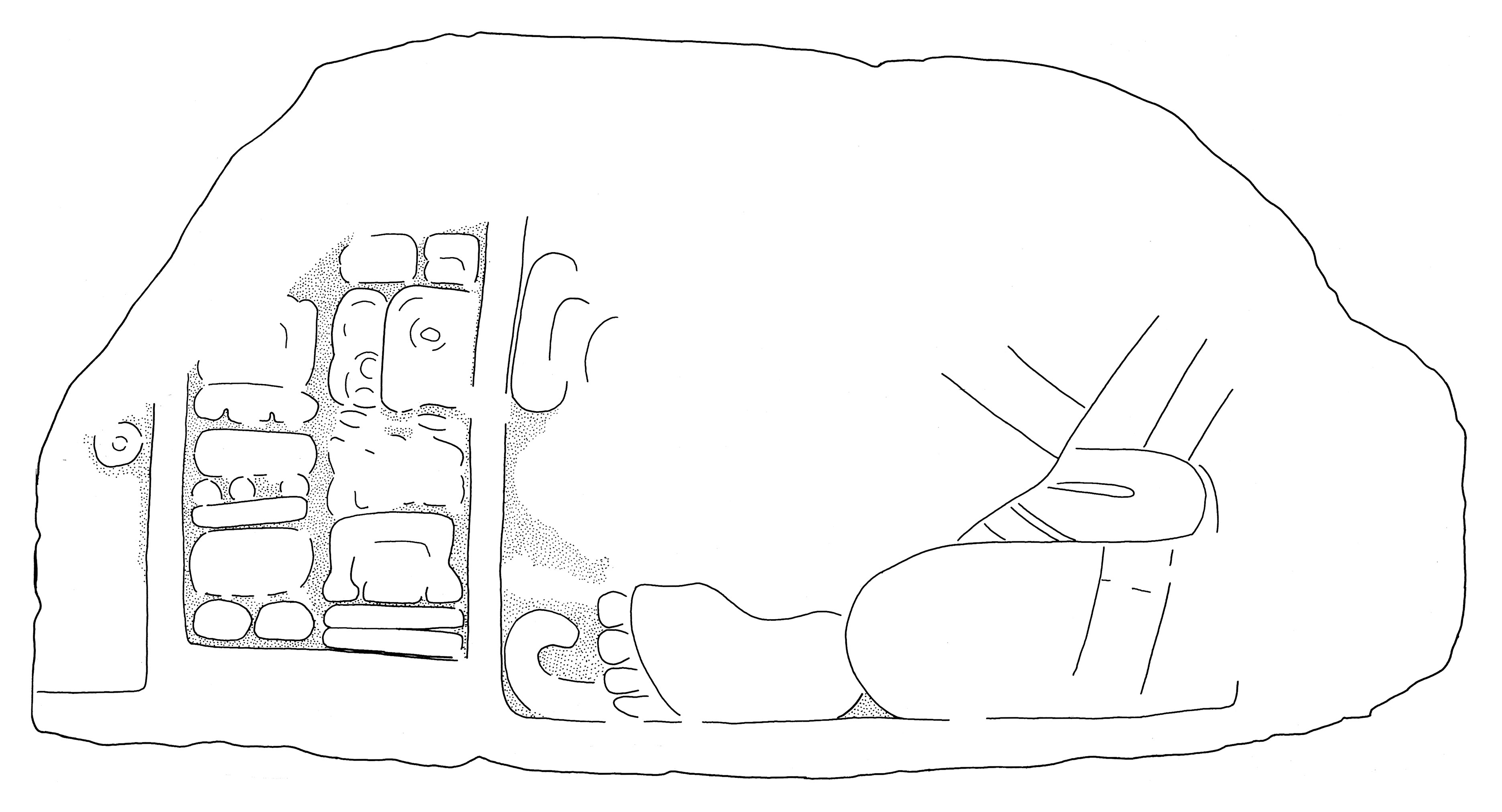
Monument 10b
Height: 0.35 m
Width: 0.70 m
Thickness: unknown
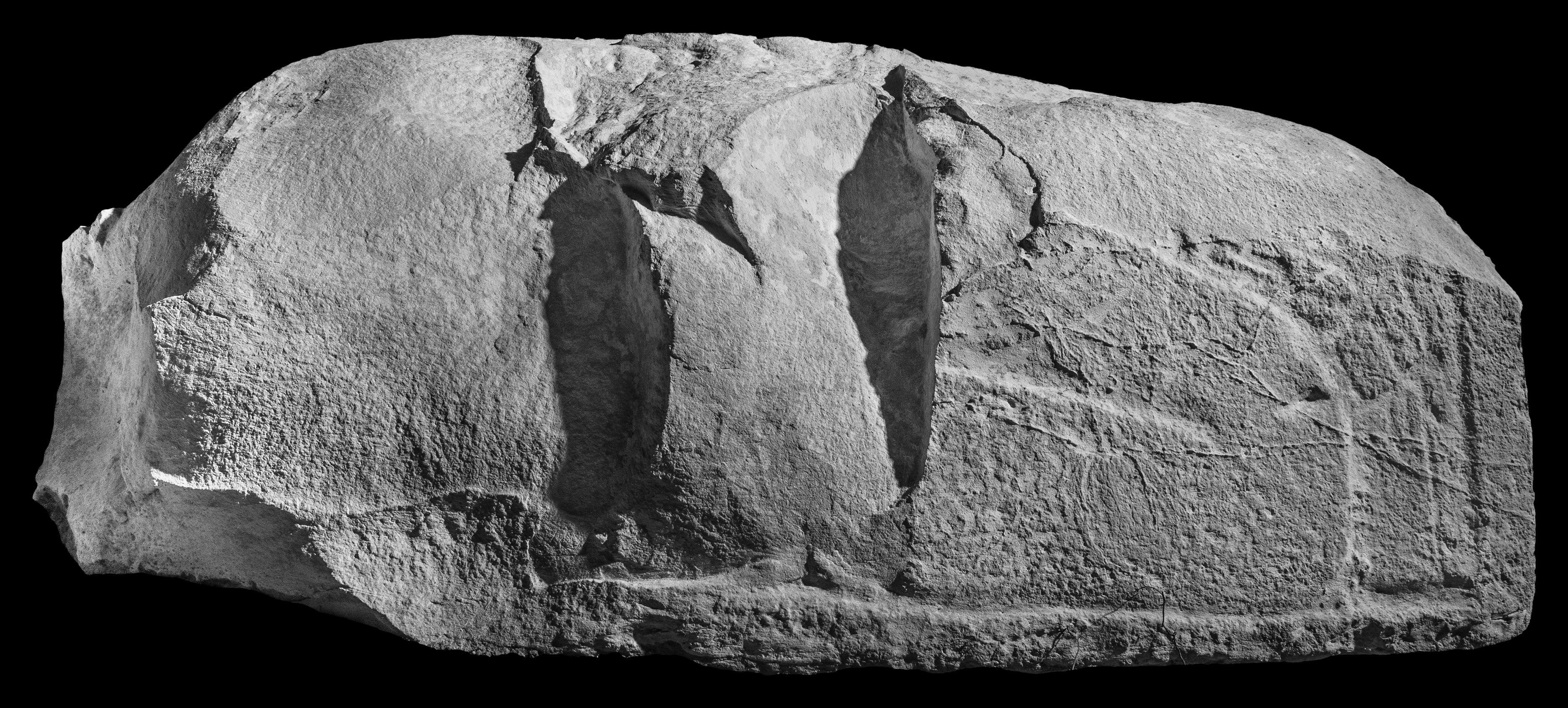
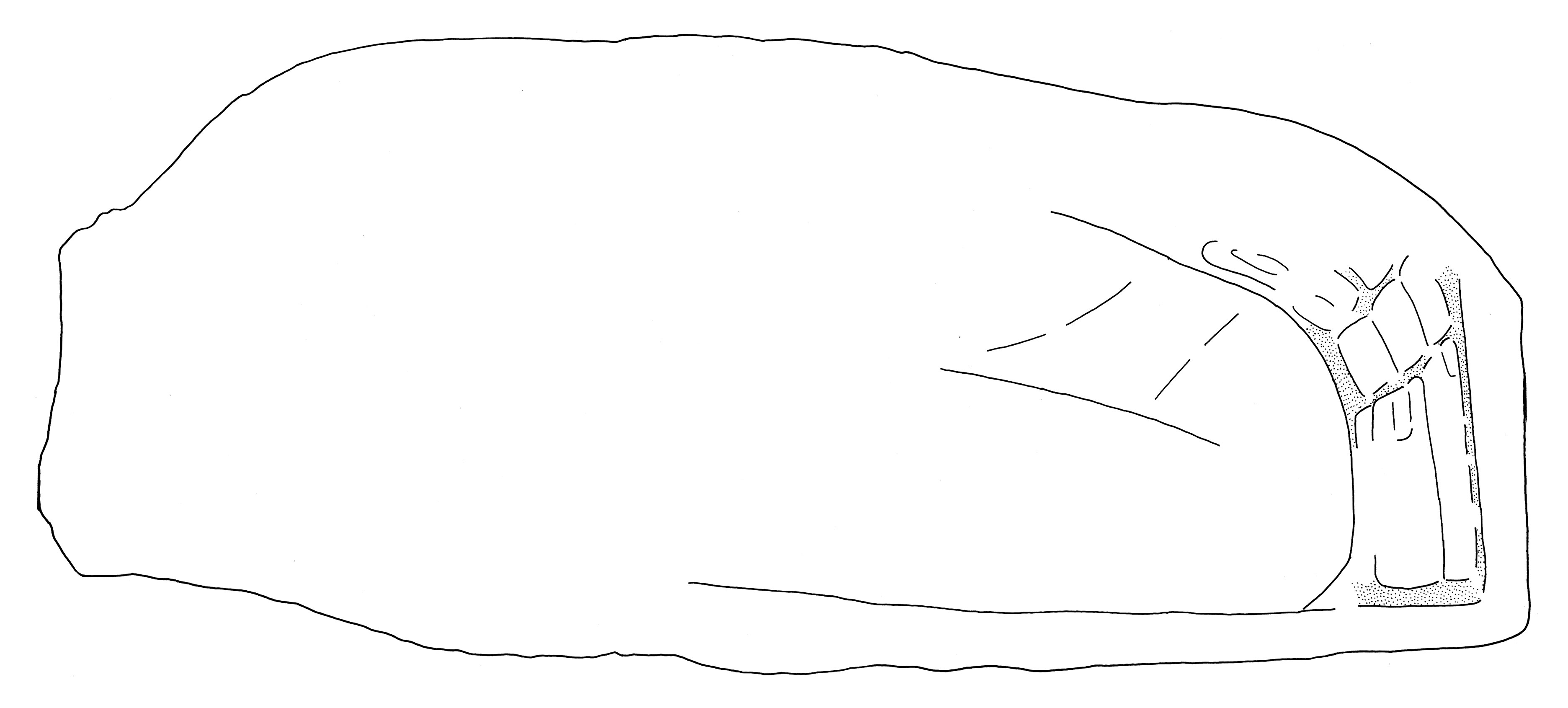
Monument 10c
Height: 0.30 m
Width: 0.72 m
Thickness: unknown
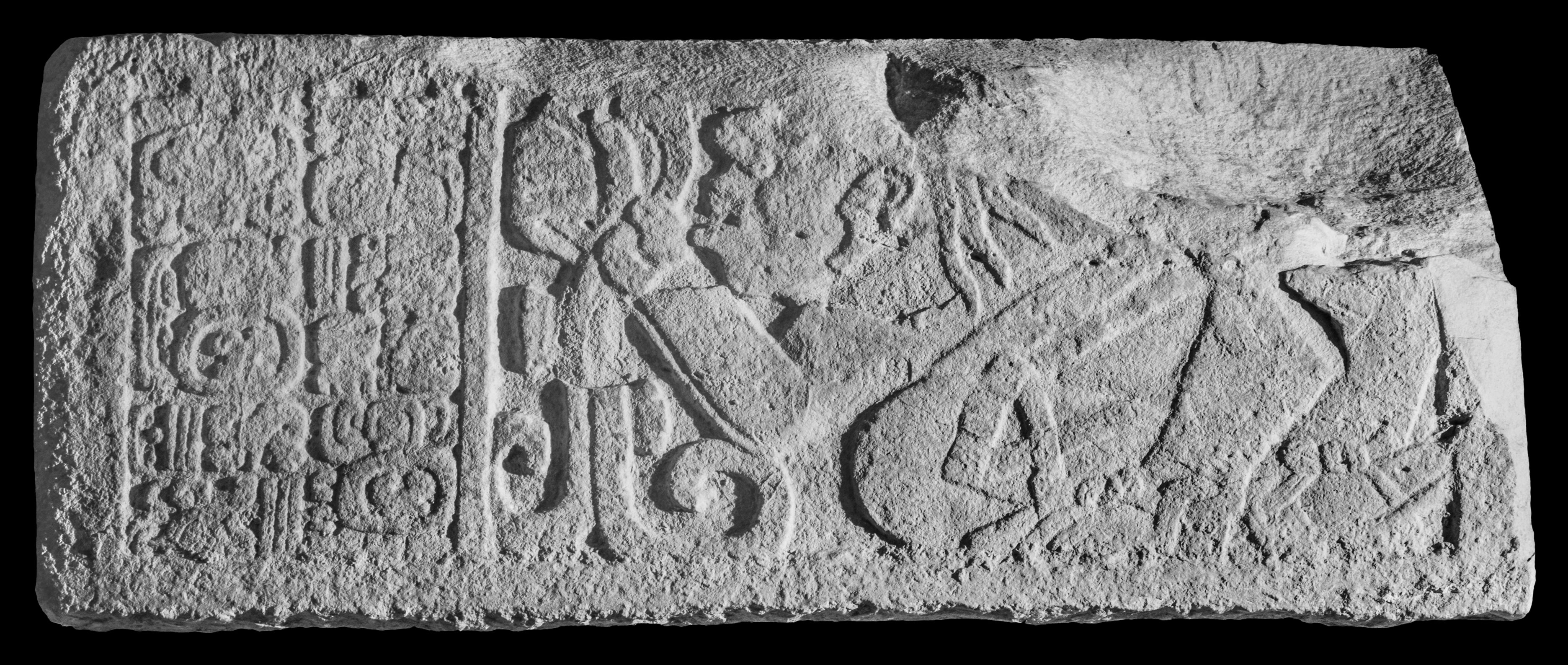
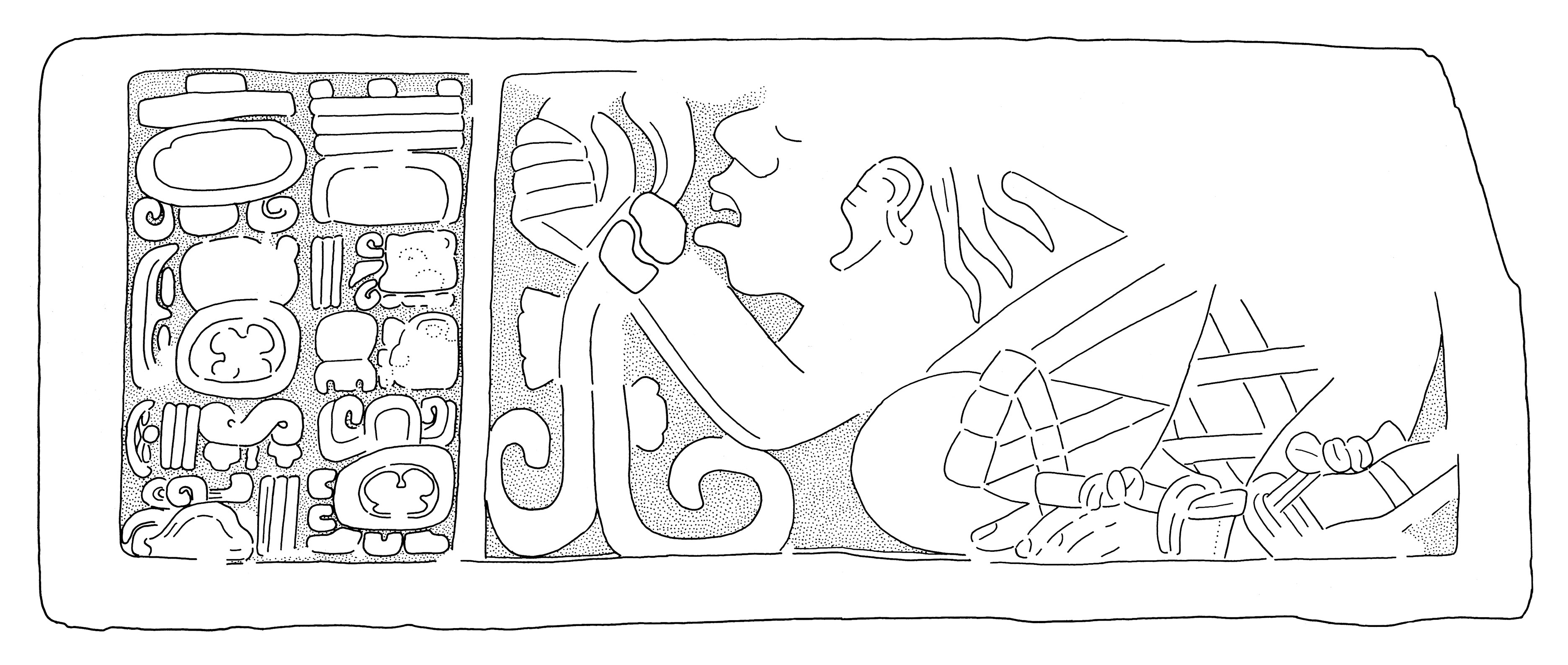
Monument 11
Height: unknown
Width: unknown
Thickness: unknown
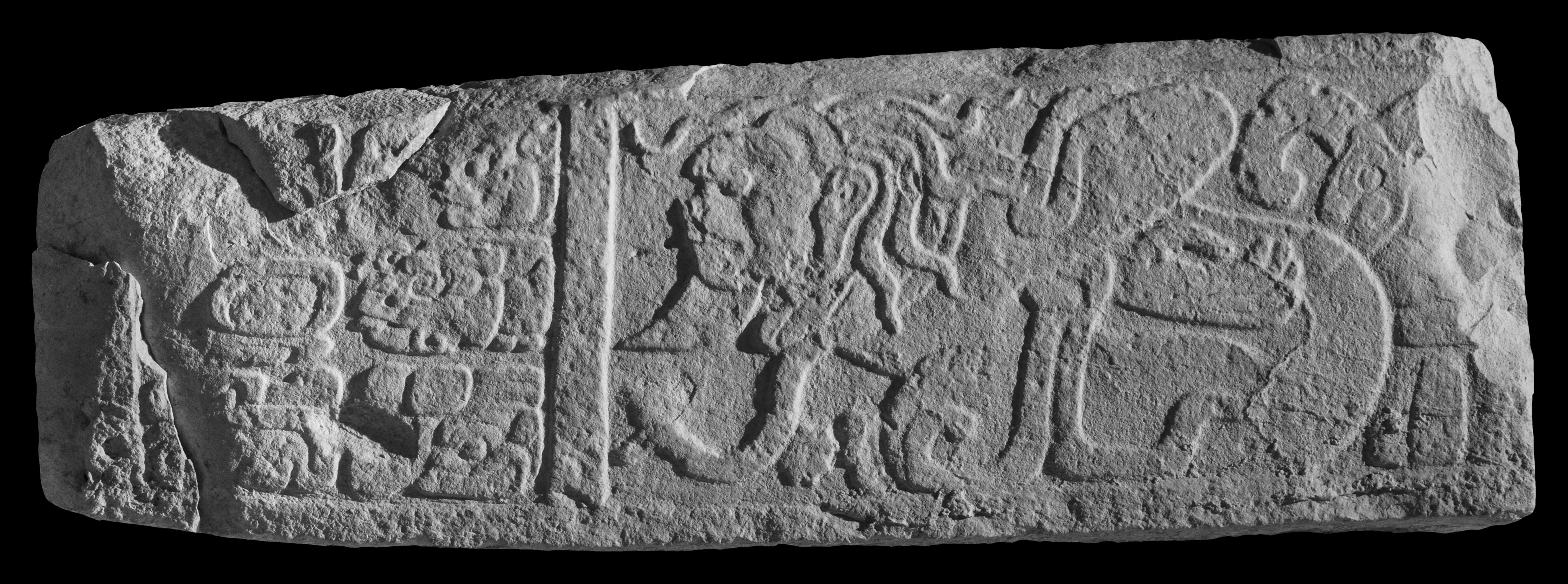
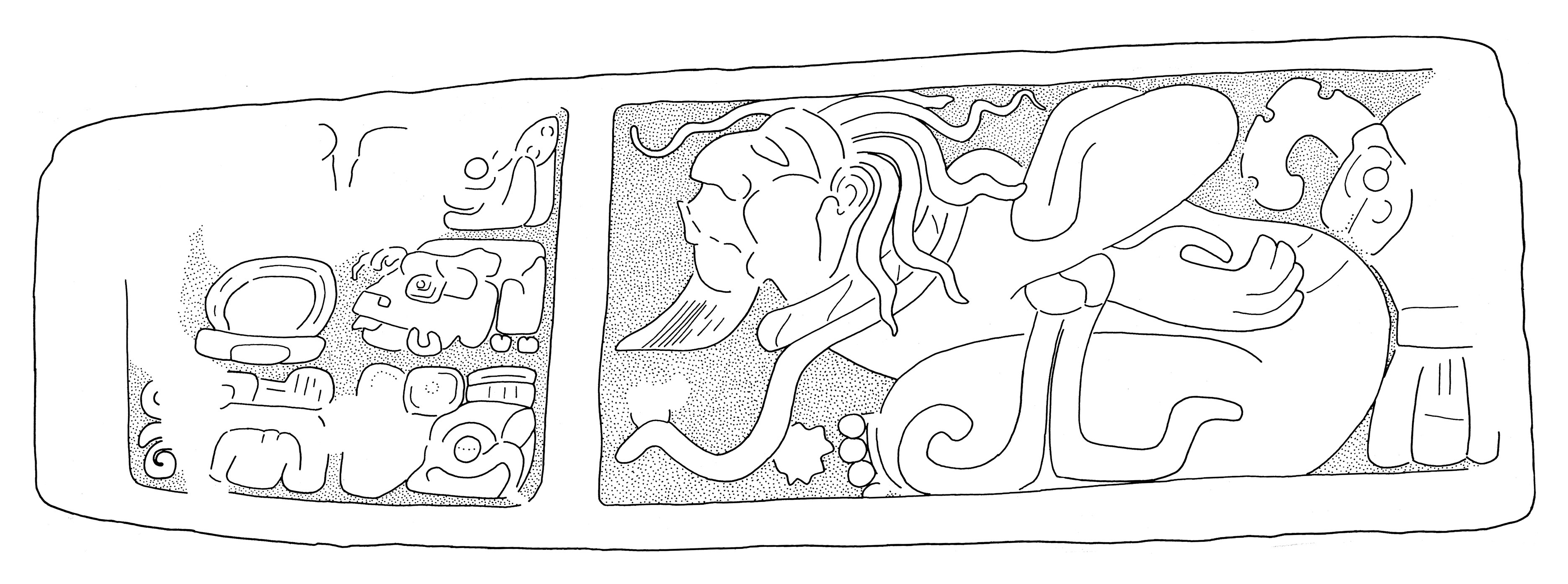
Monument 12
Height: unknown
Width: unknown
Thickness: unknown
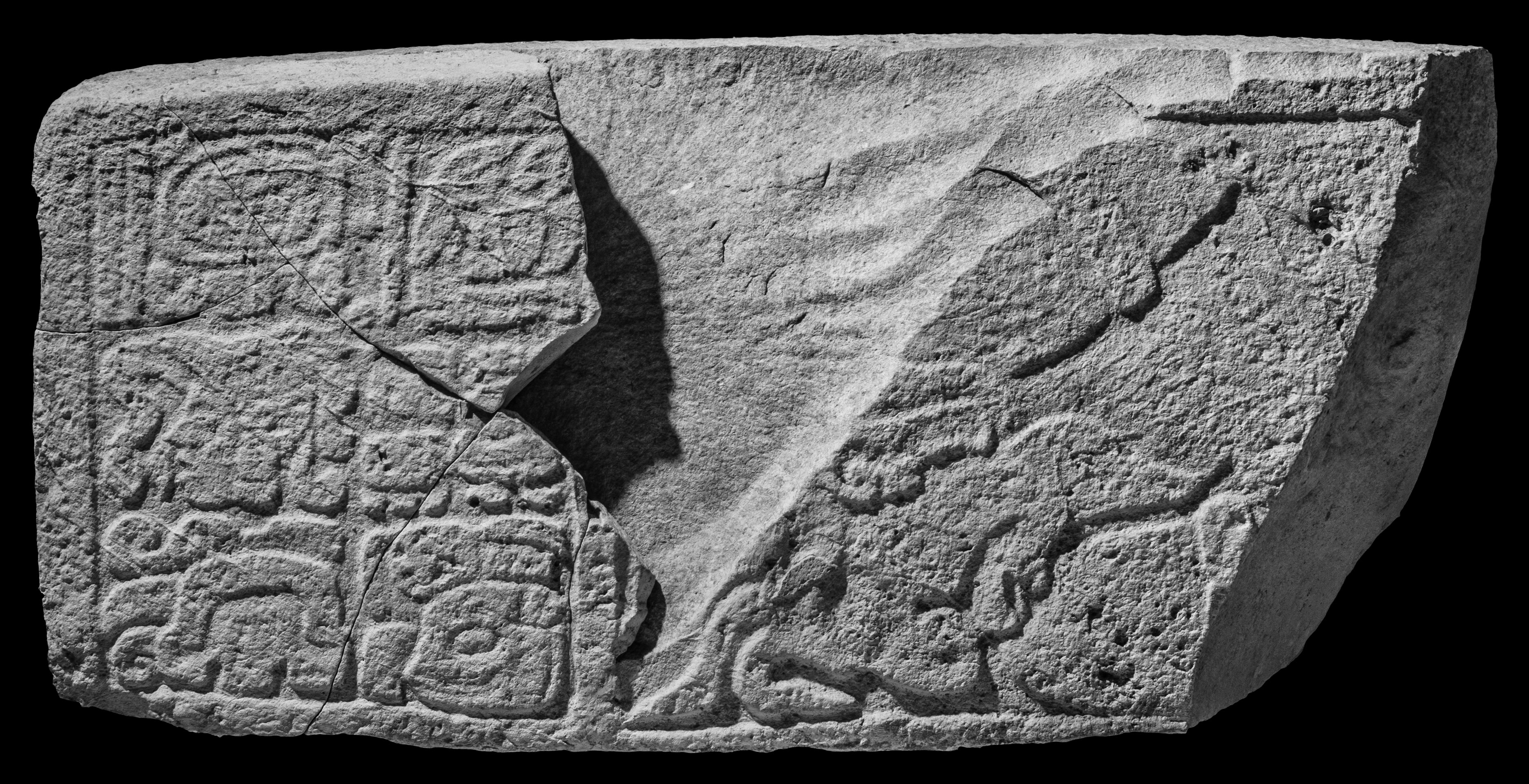
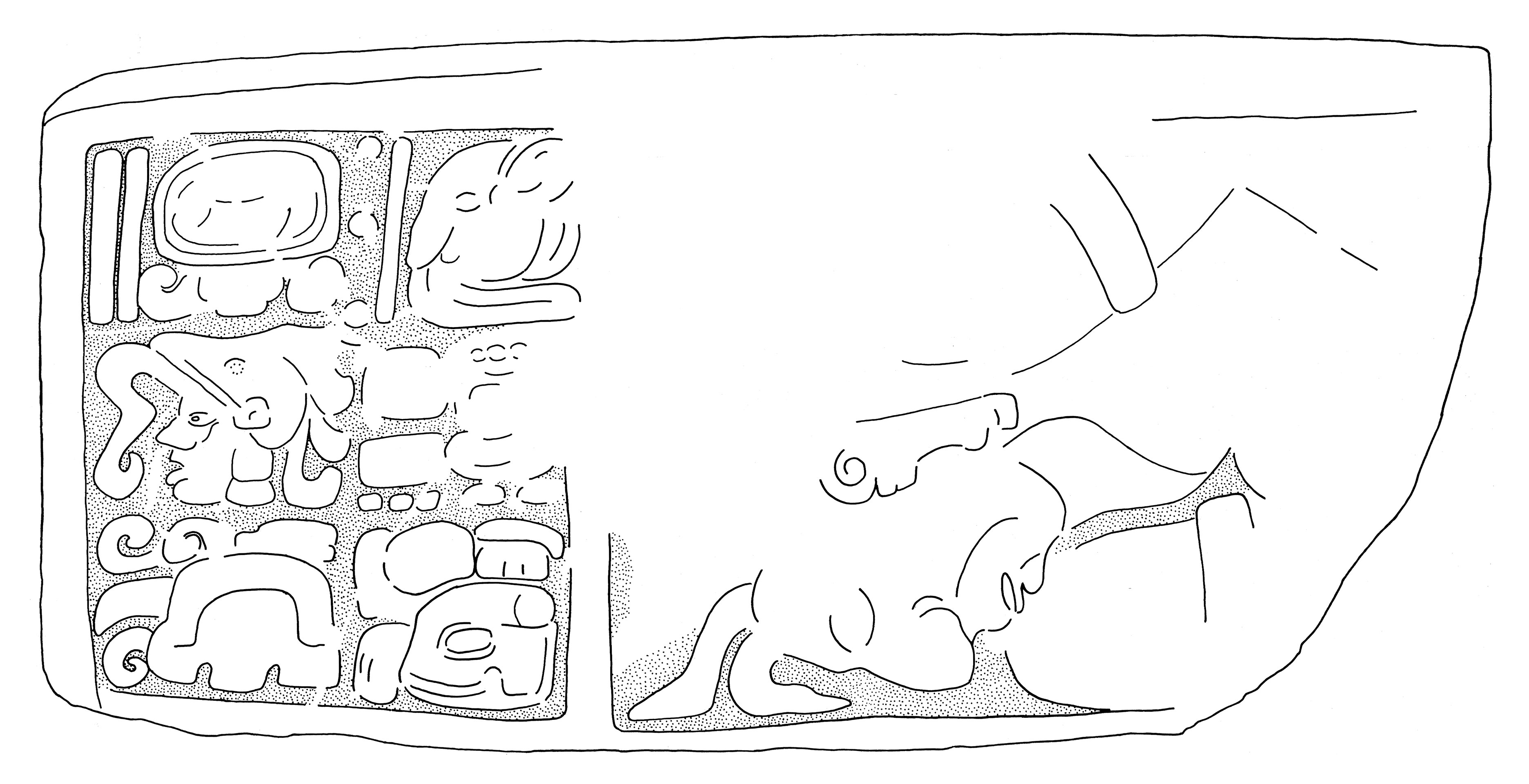
Monument 15
Height: 0.34 m
Width: 0.77 m
Thickness: unknown
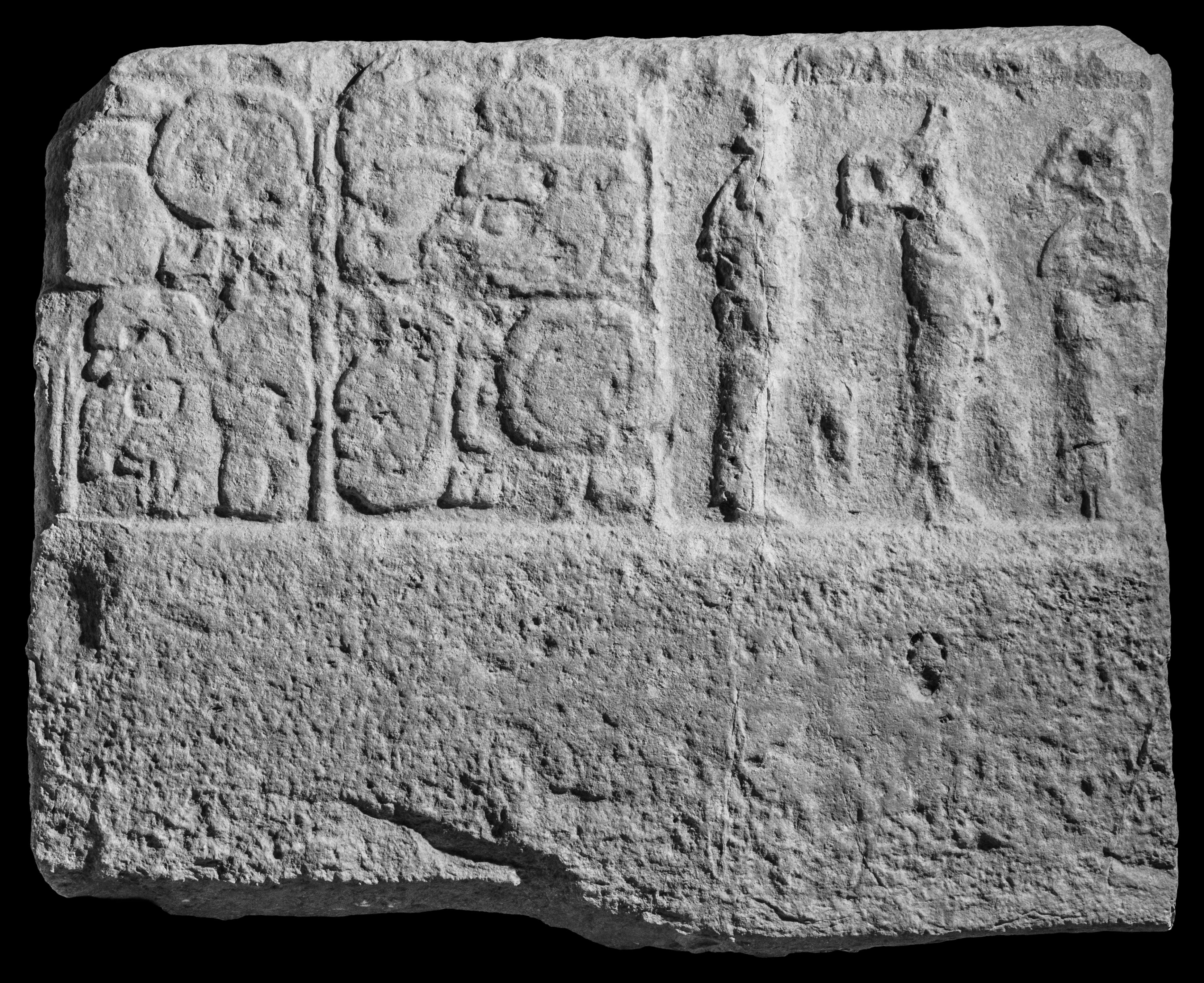
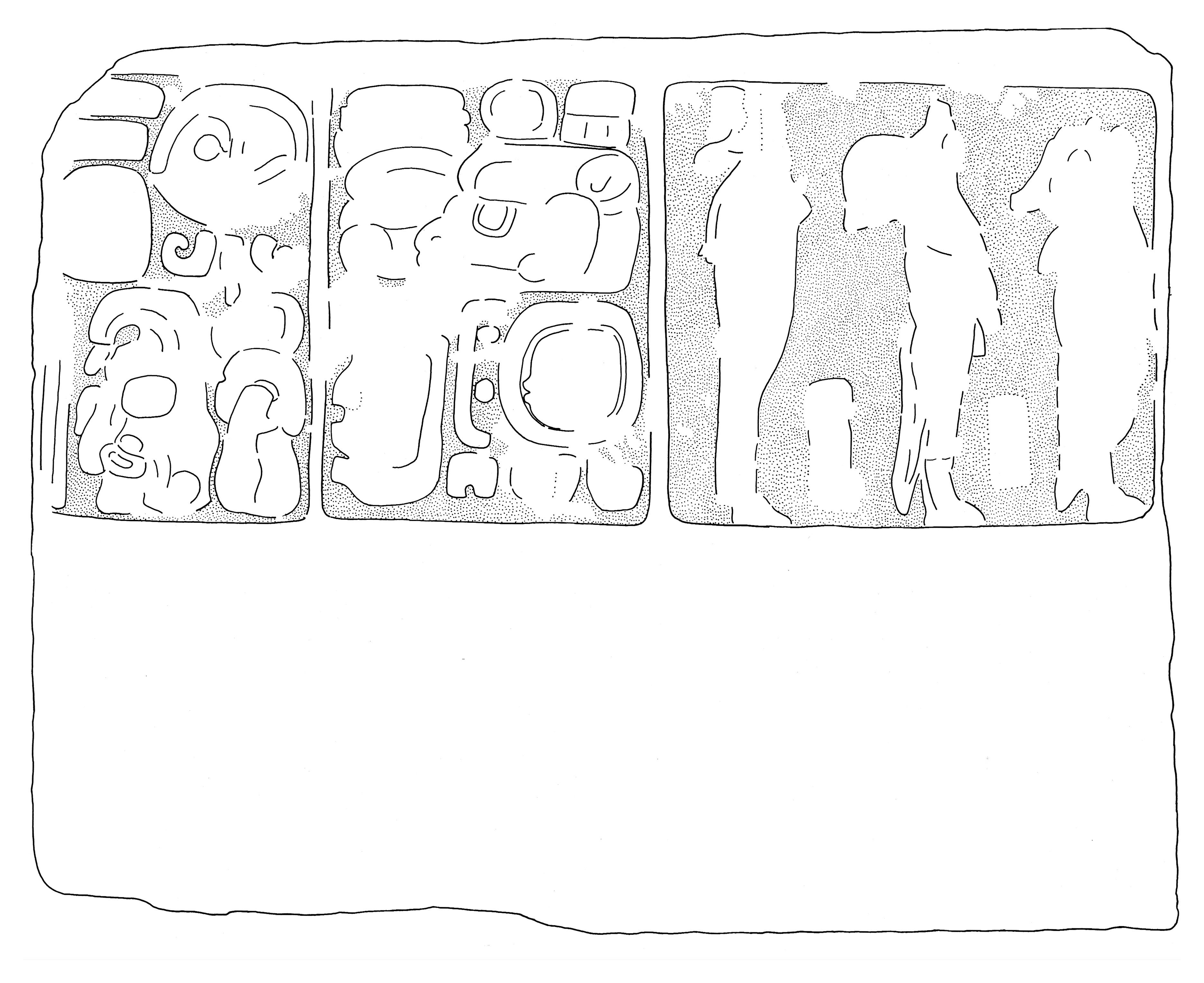
Monument 16
Height: unknown
Width: unknown
Thickness: unknown
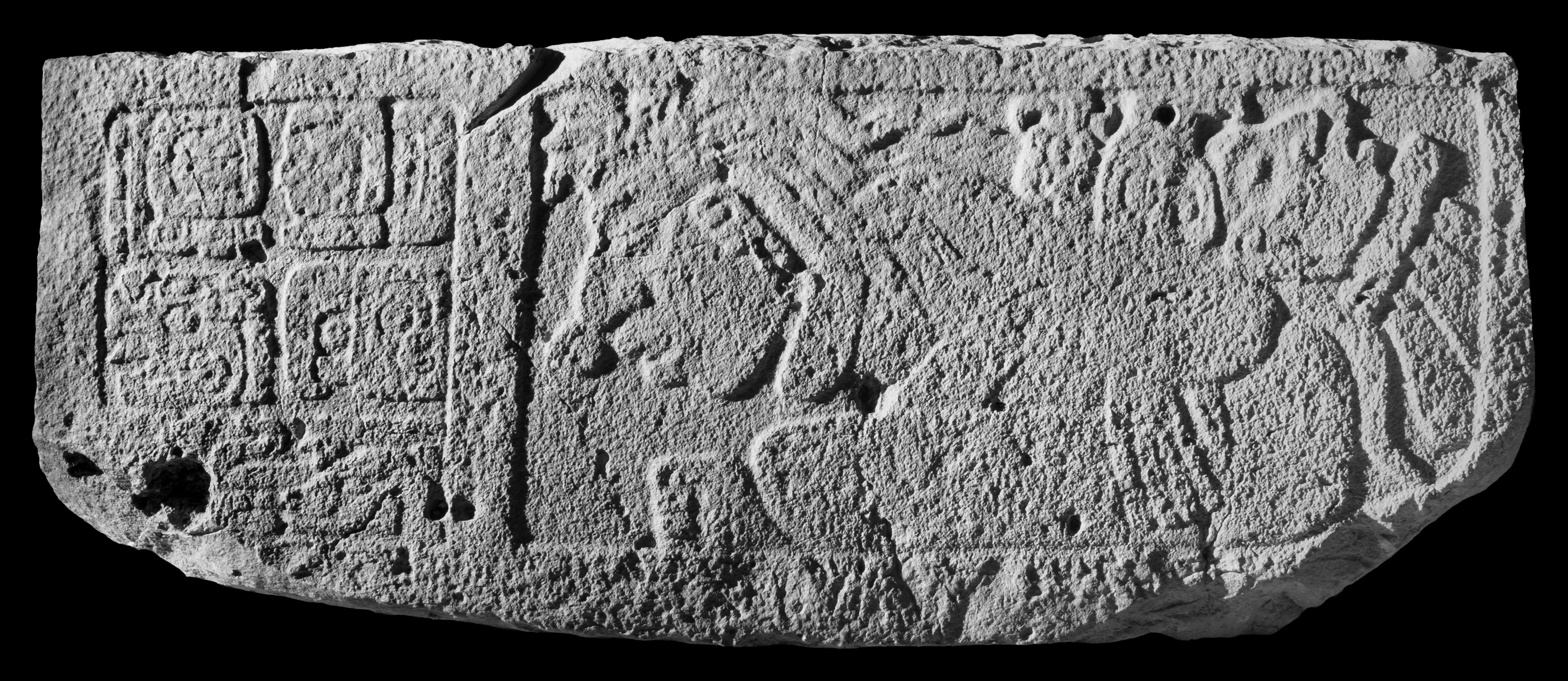
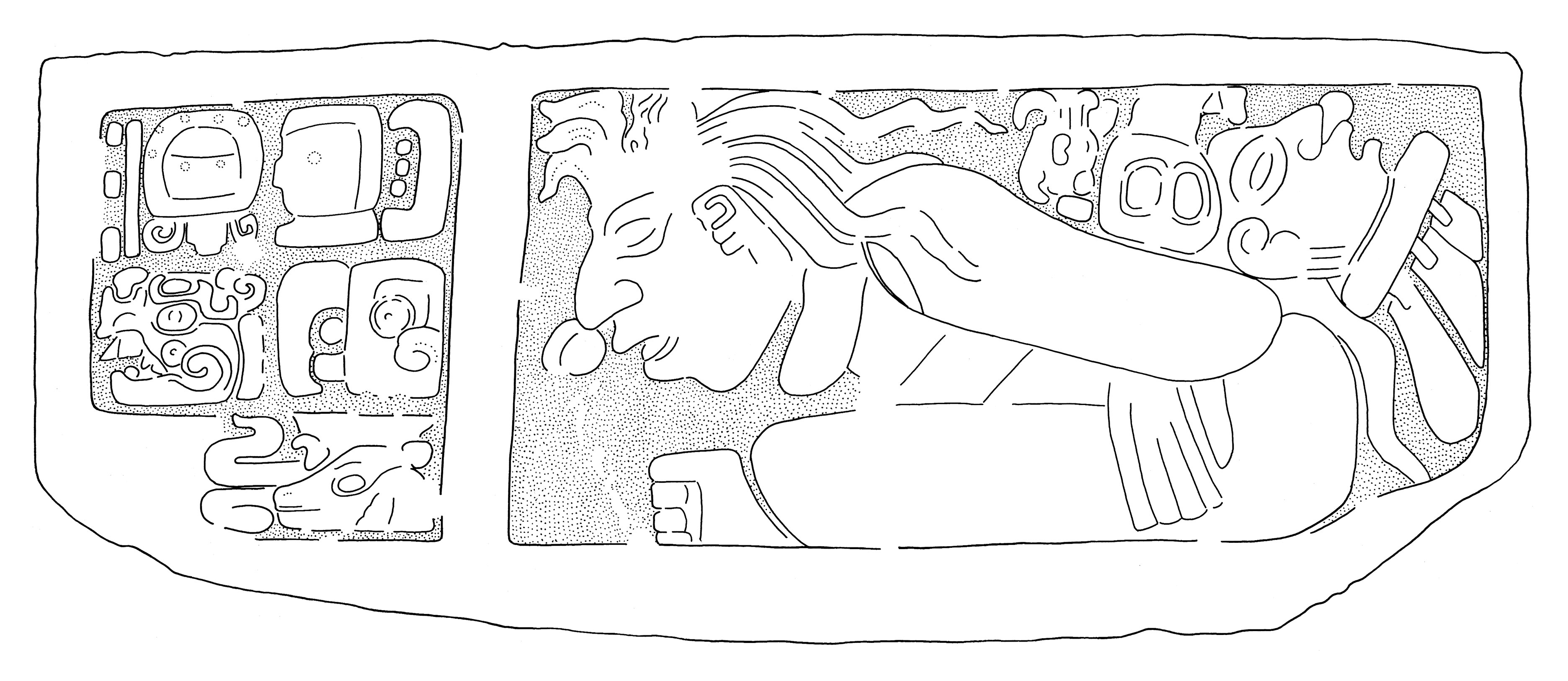
Monument 17
Height: unknown
Width: unknown
Thickness: unknown
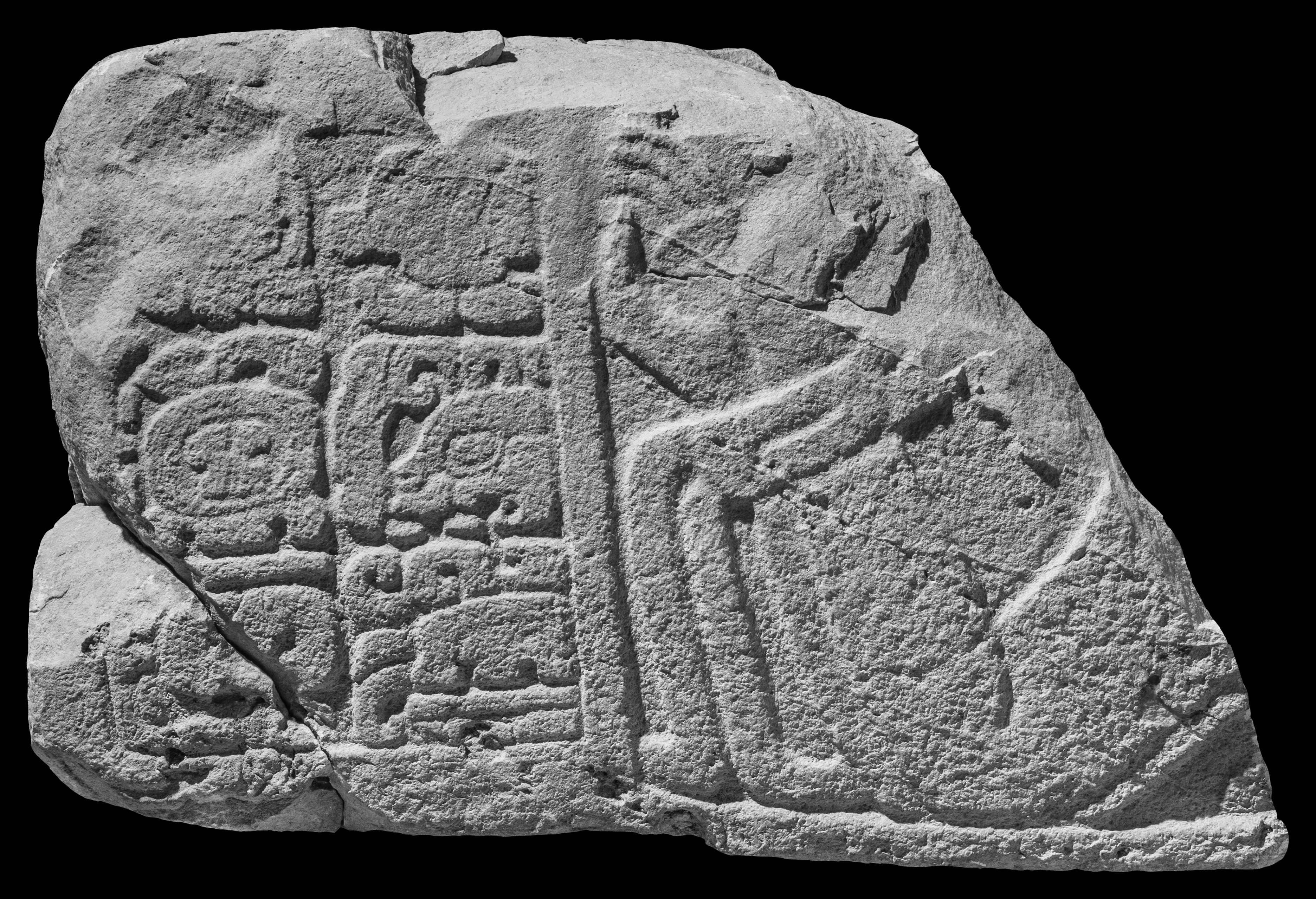
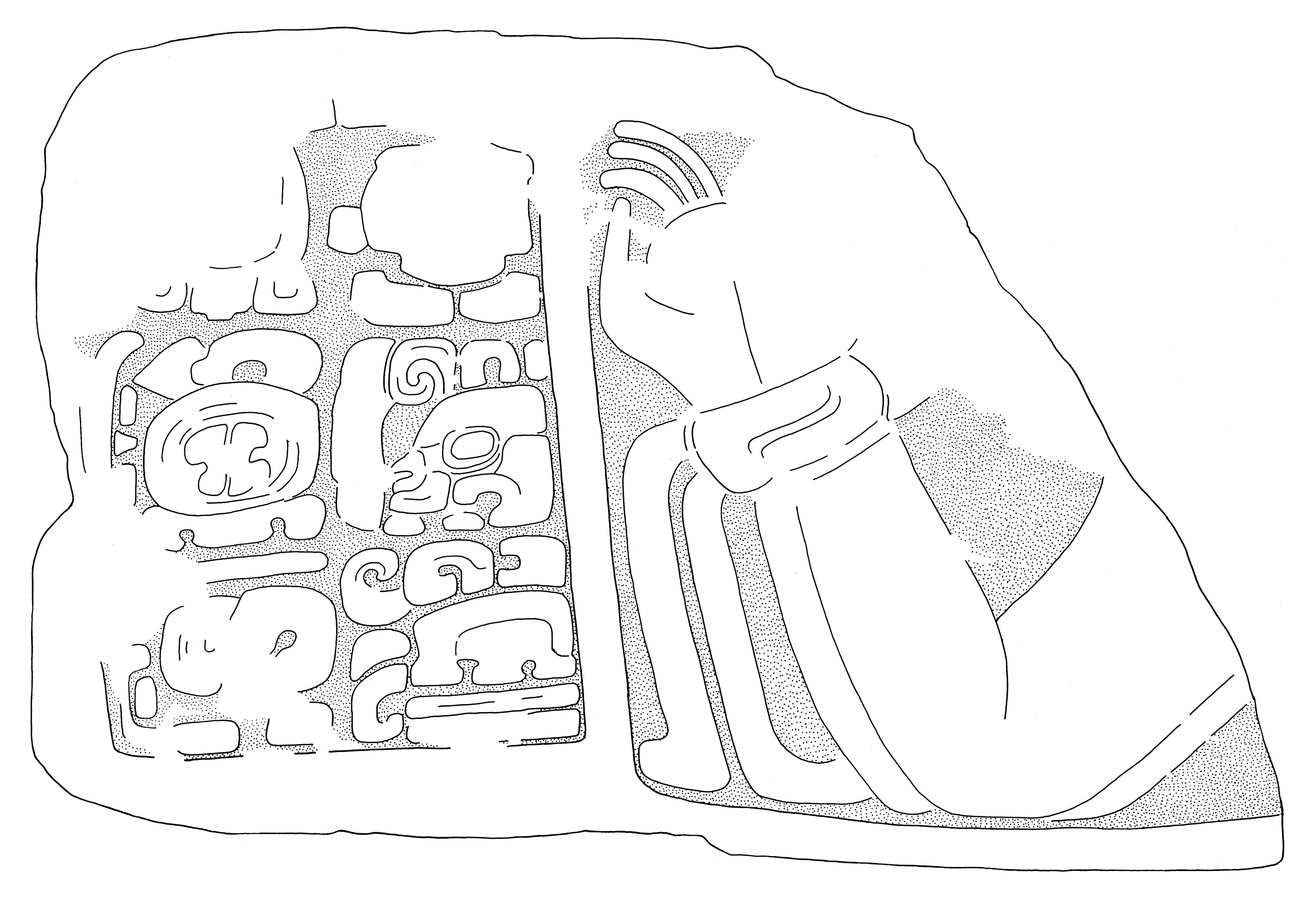
Monument 18
Height: 0.33 m
Width: 0.51 m
Thickness: unknown
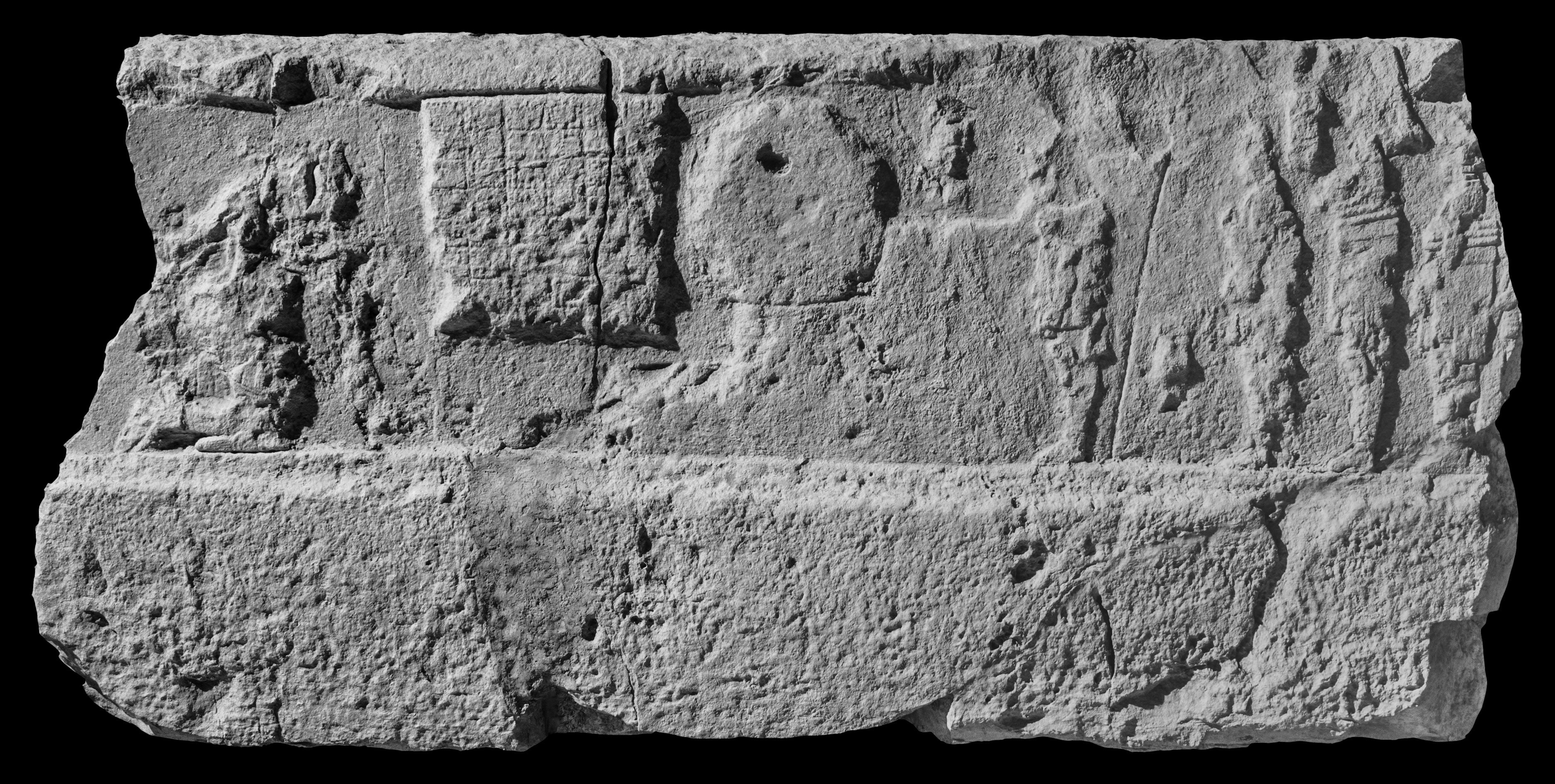
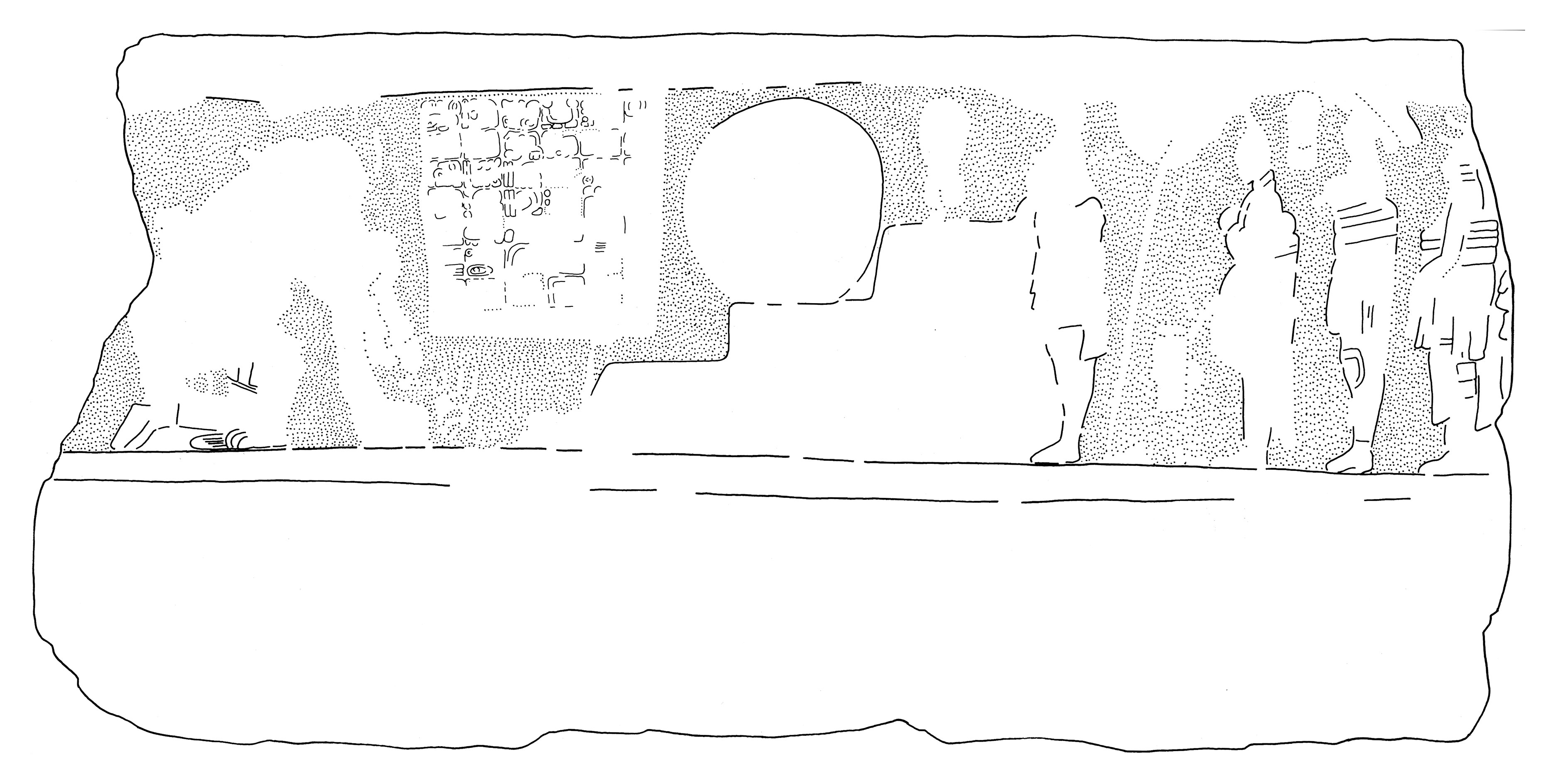
Monument 19
Height: 0.52 m
Width: 1.14 m
Thickness: unknown
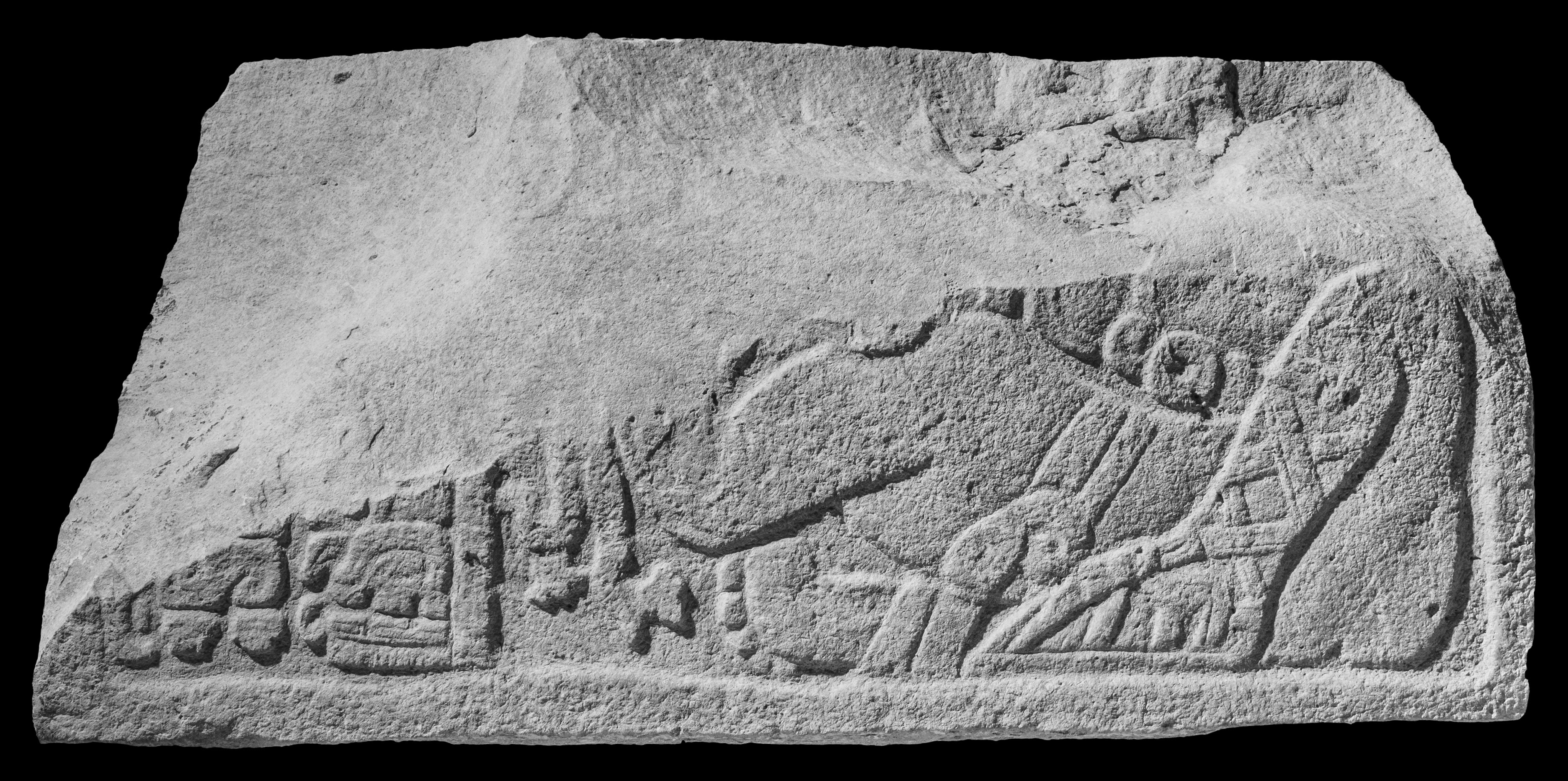
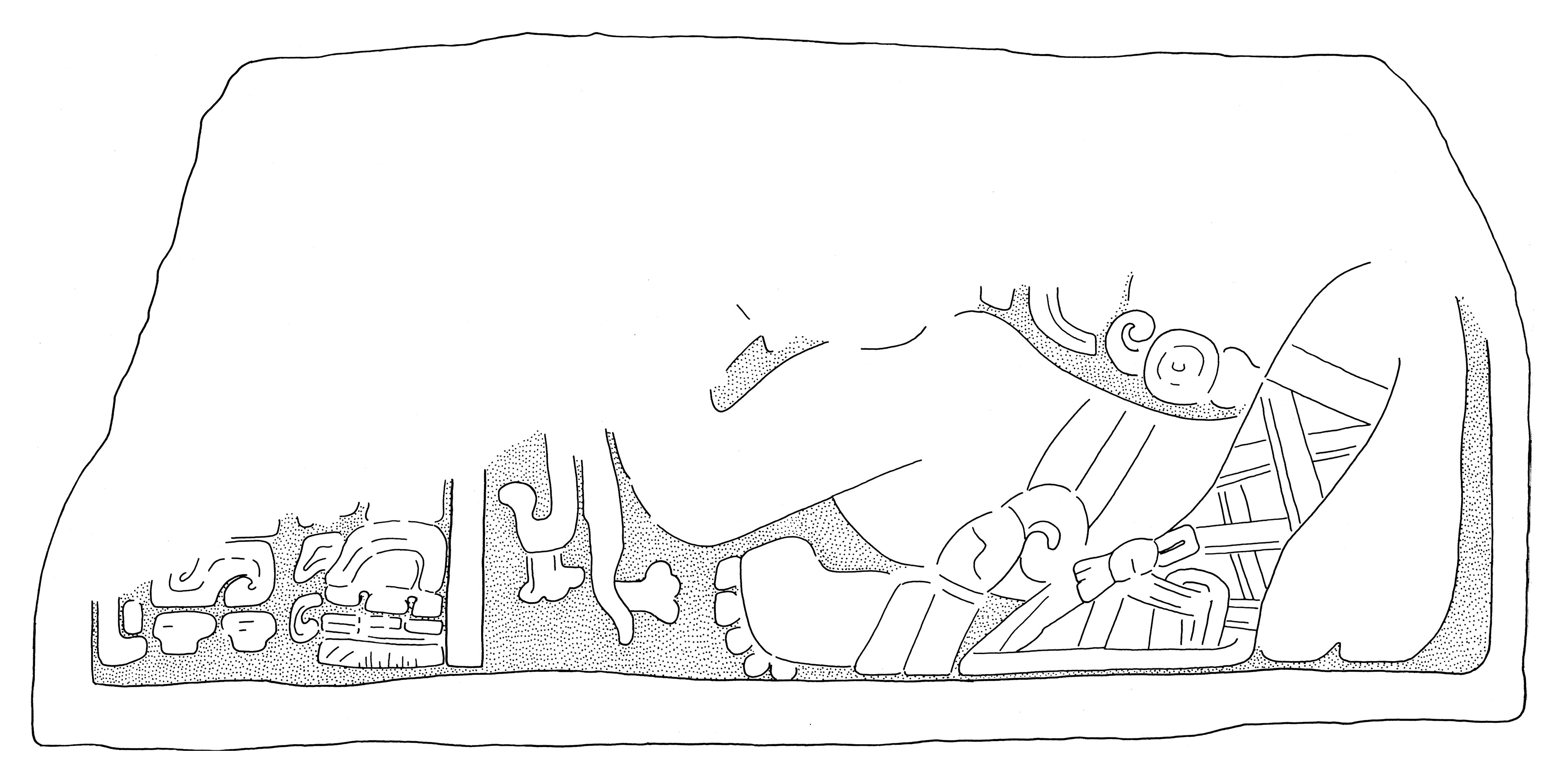
Monument 20
Height: 0.35 m
Width: 0.74 m
Thickness: unknown
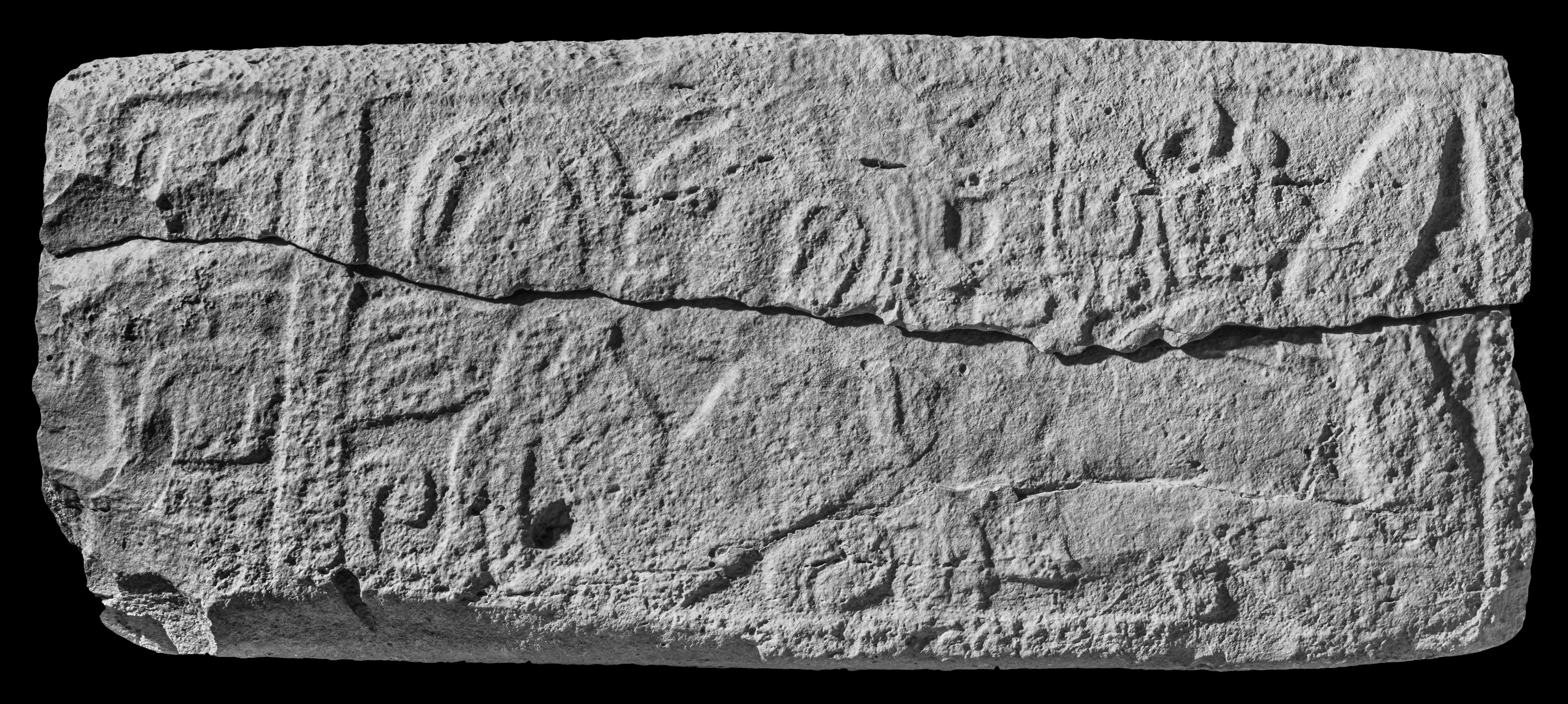
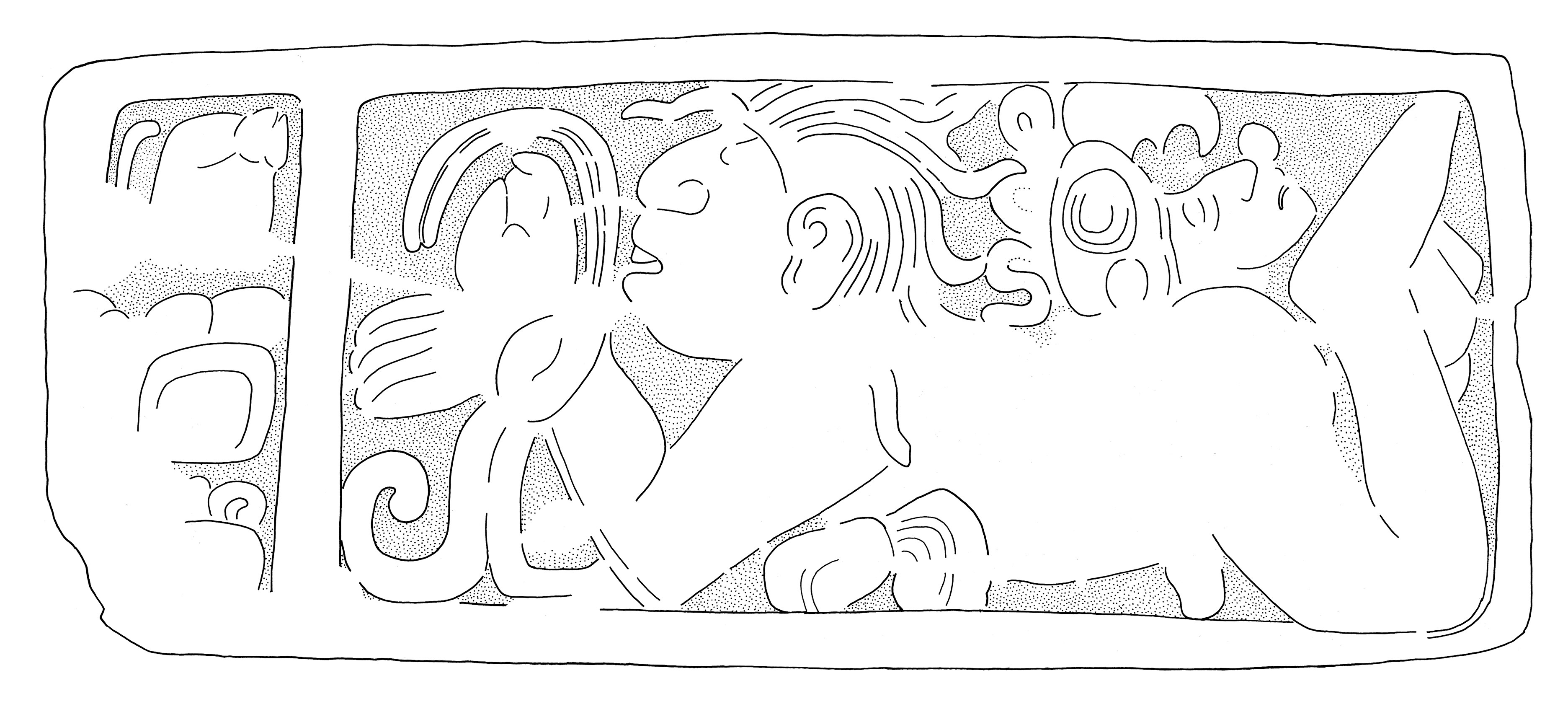
Monument 21
Height: 0.34 m
Width: 0.79 m
Thickness: unknown
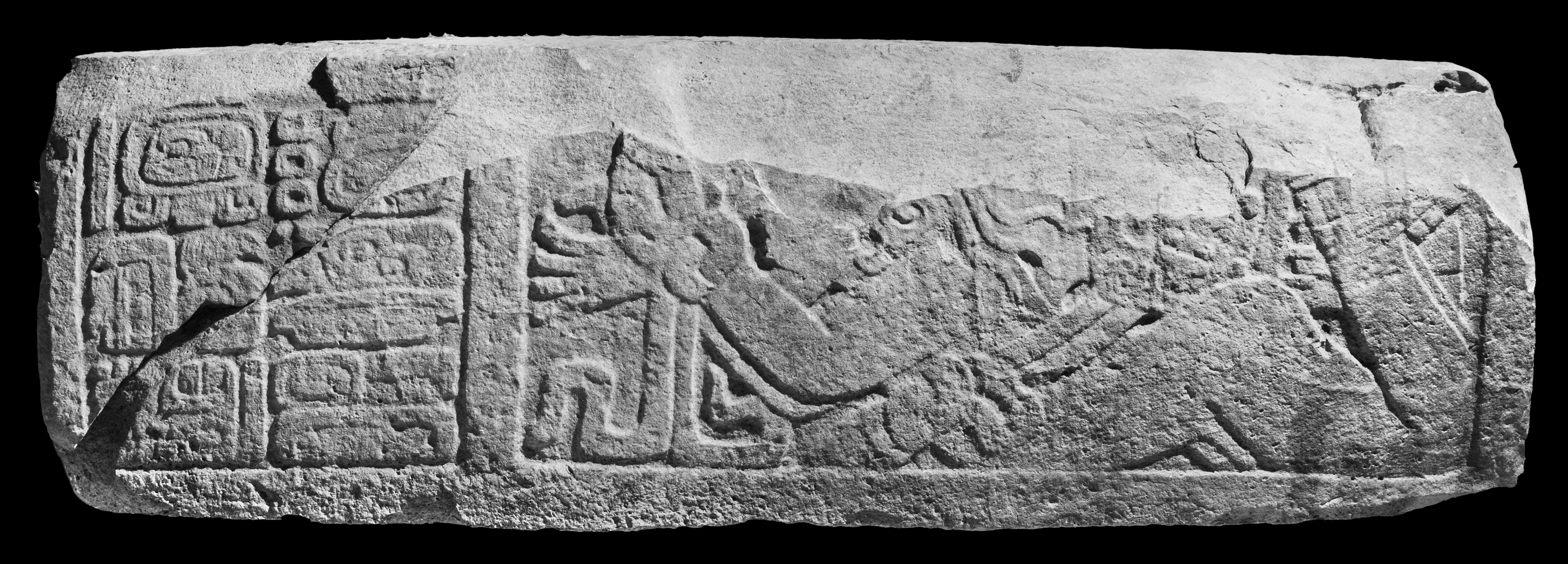
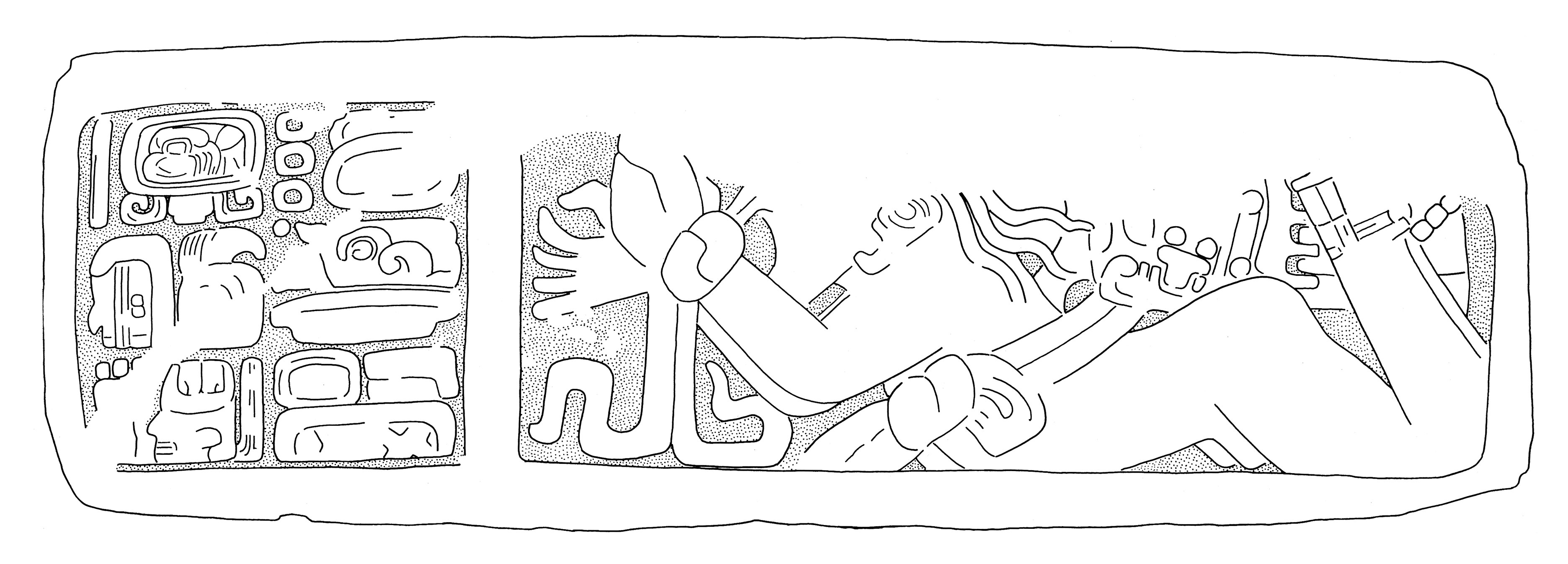
Monument 22
Height: 0.38 m
Width: 1.18 m
Thickness: unknown
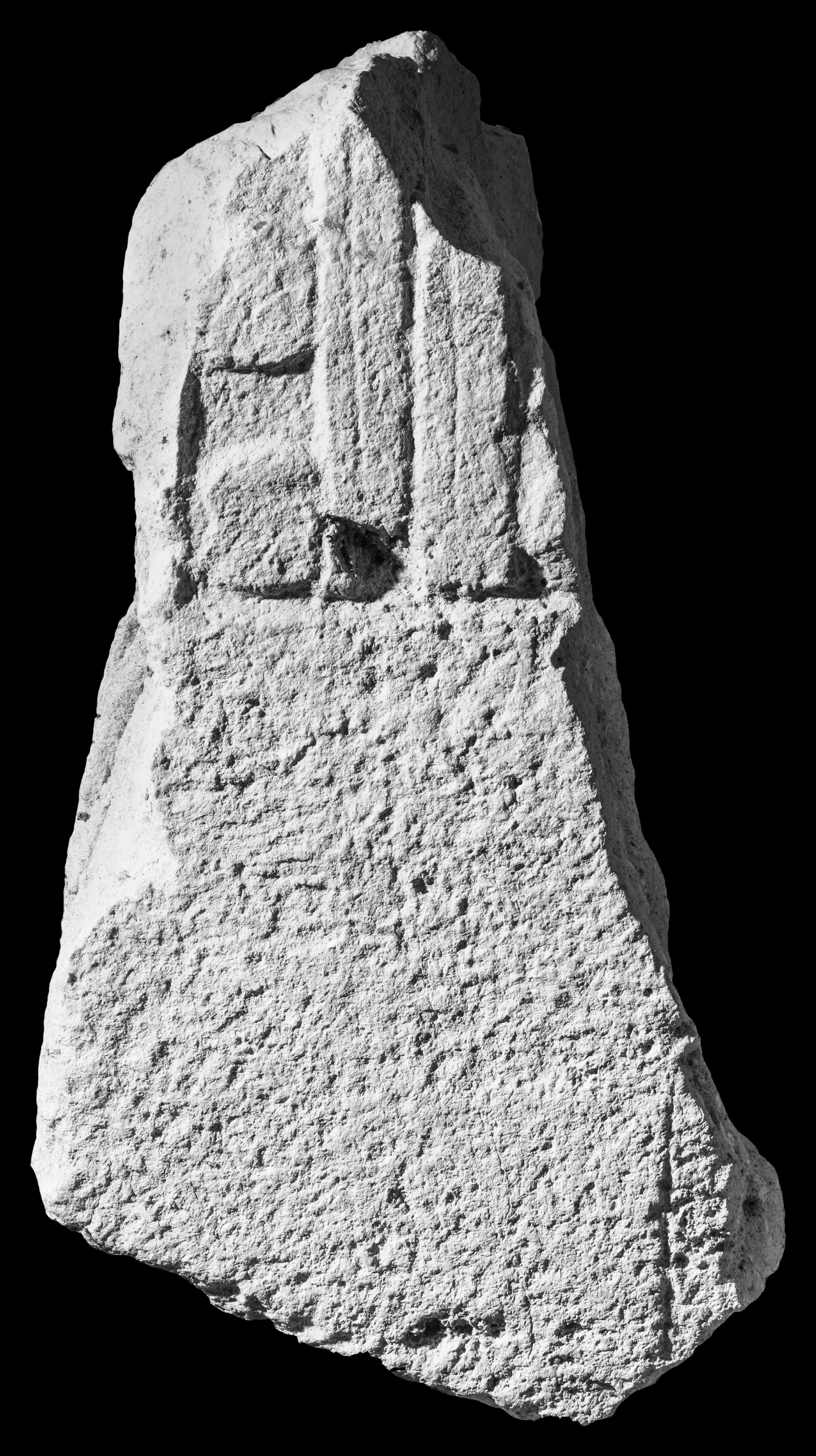
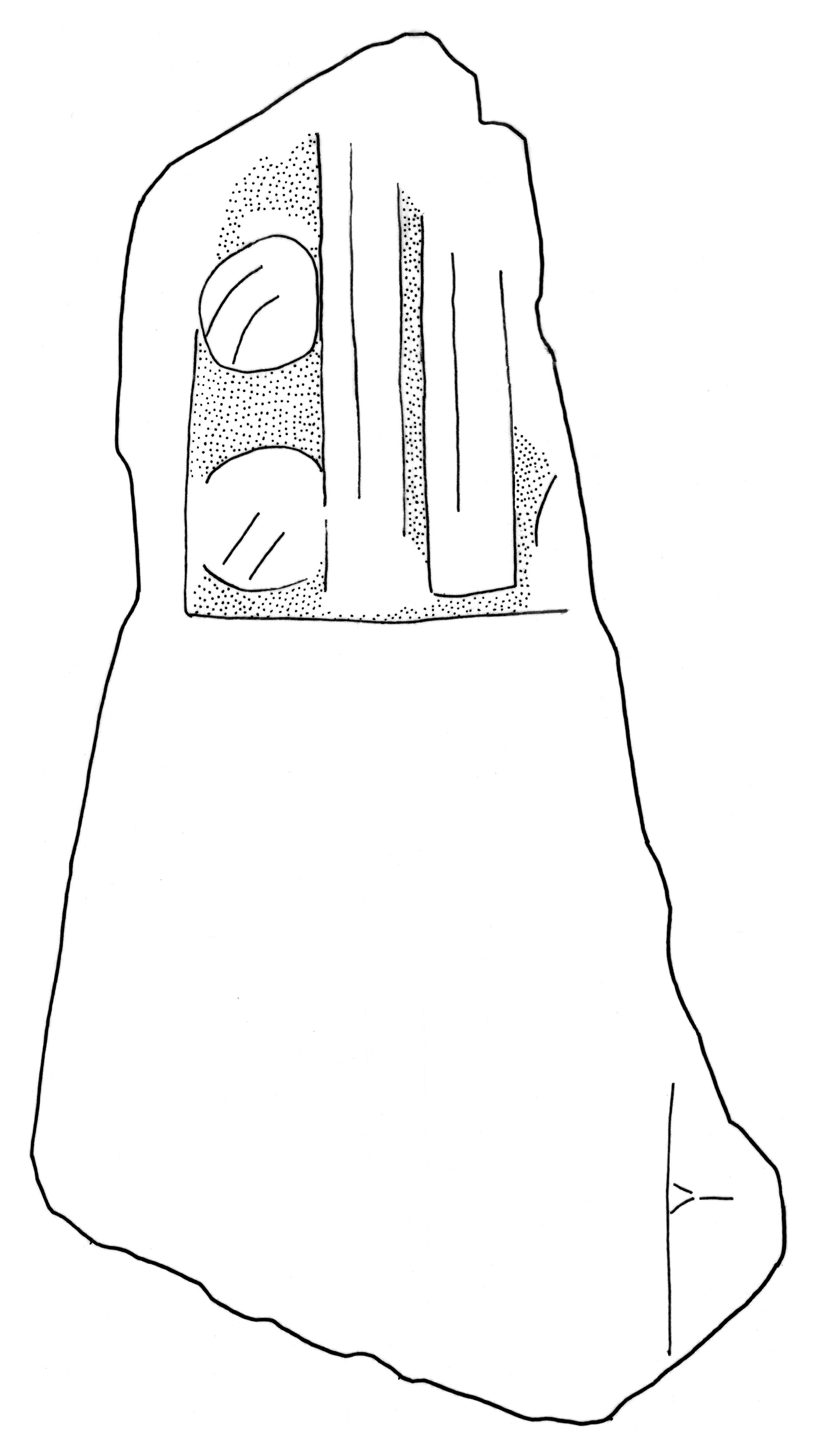
Bodega a
Height: 0.4 m
Width: 0.2 m
Thickness: 0.18-0.21 m
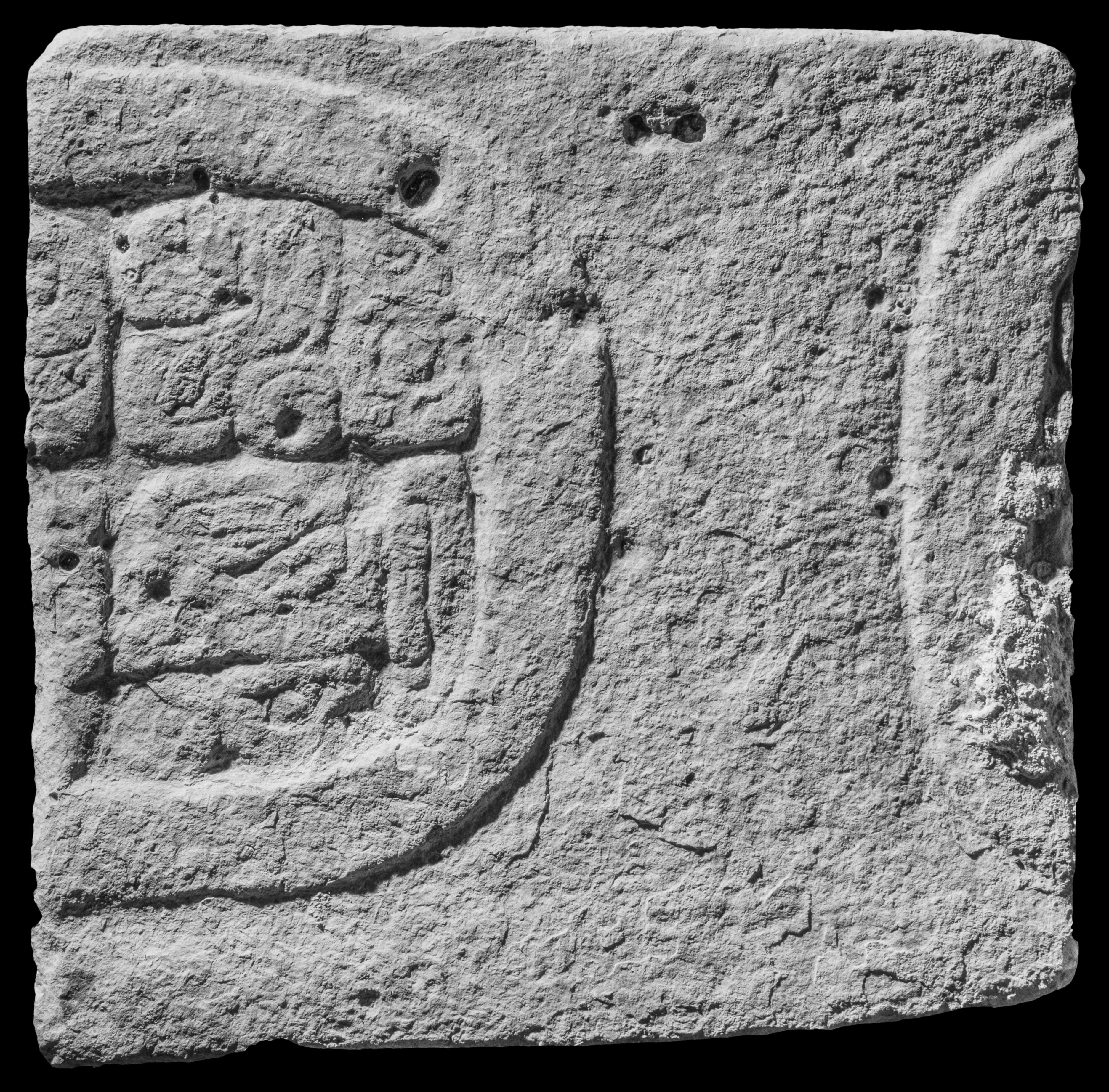
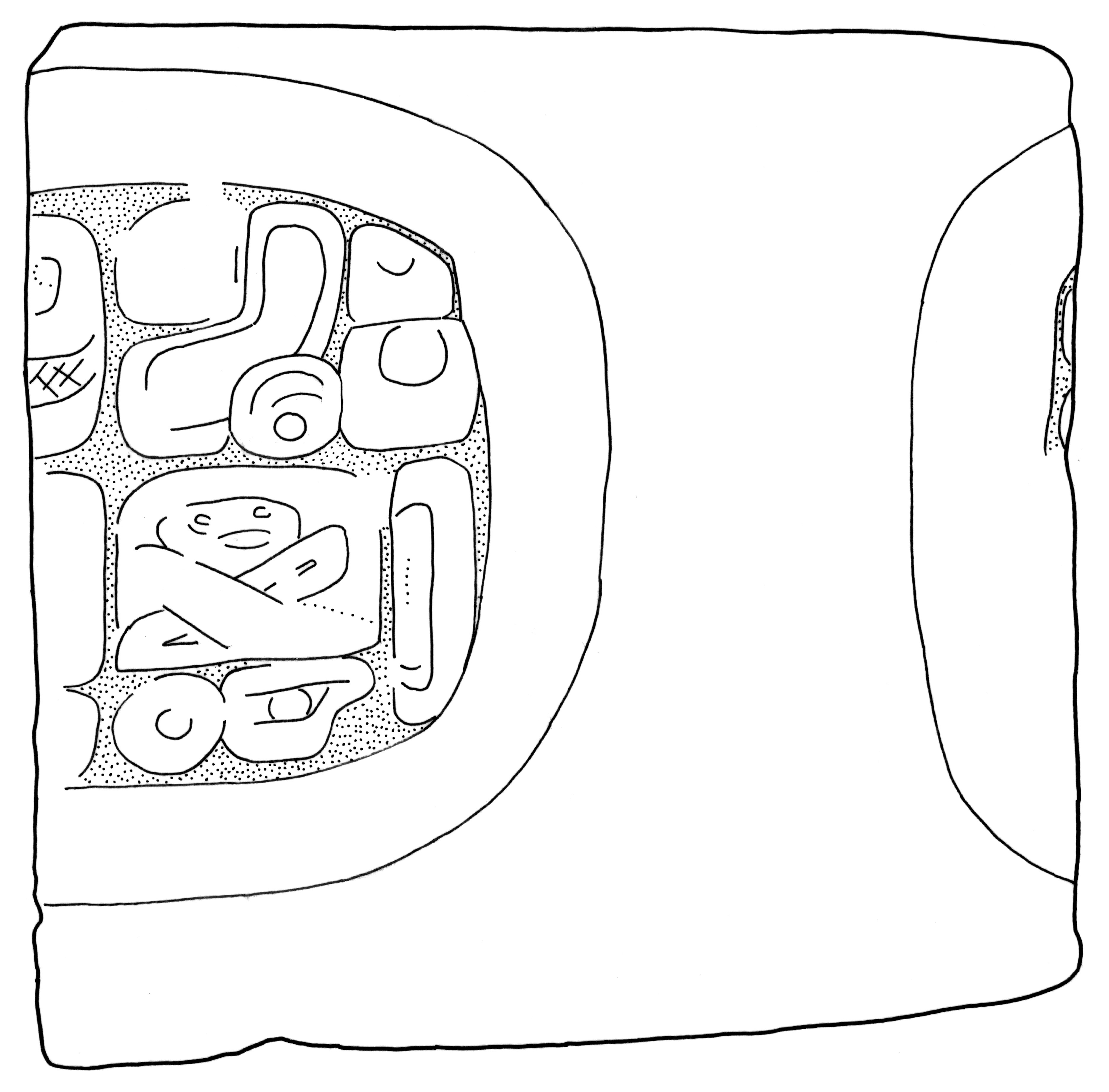
Bodega b
Height: 0.37 m
Width: 0.38 m
Thickness: 0.15-0.17 m
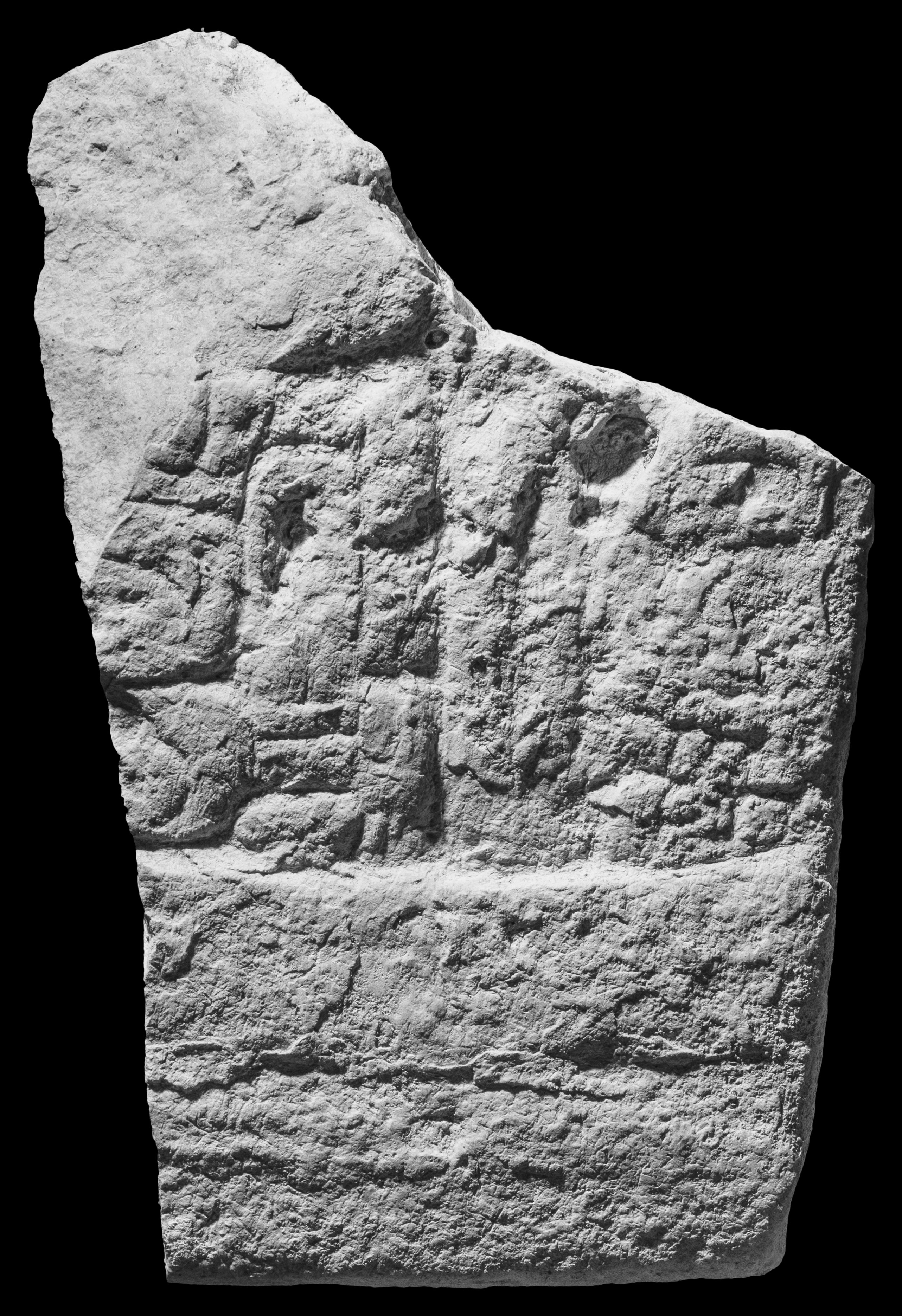
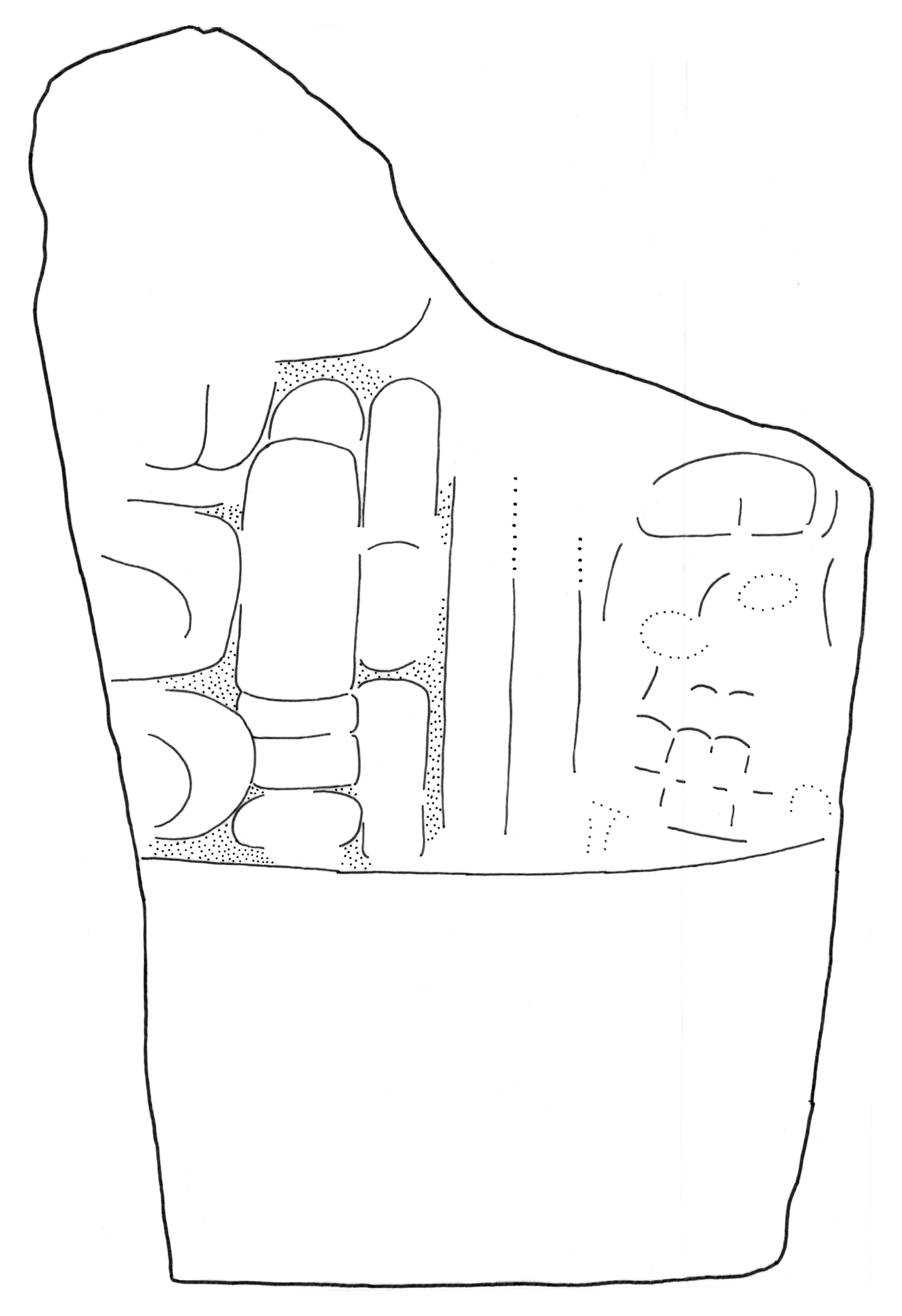
Bodega c
Height: 0.27 m
Width: 0.17 m
Thickness: 0.12-0.14 m
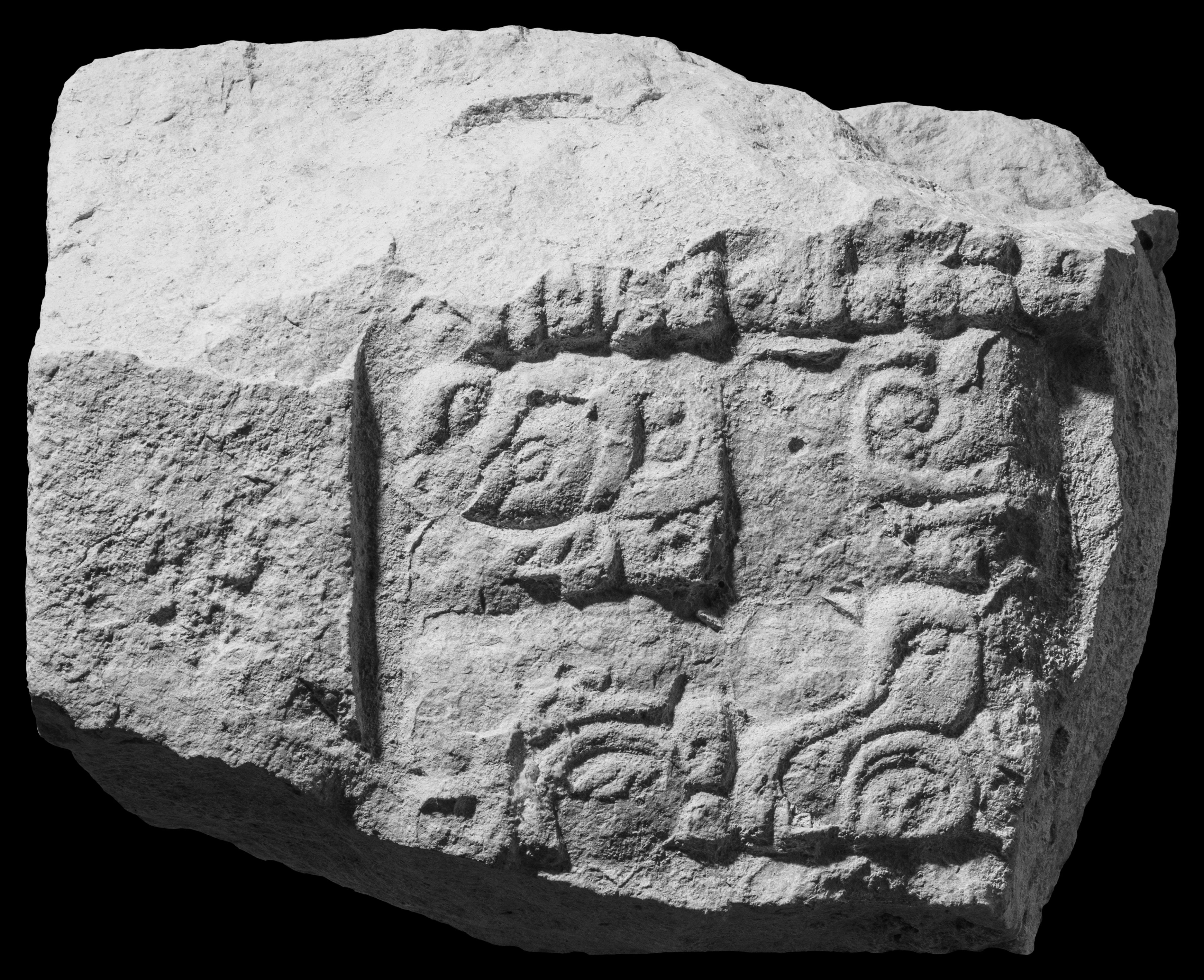
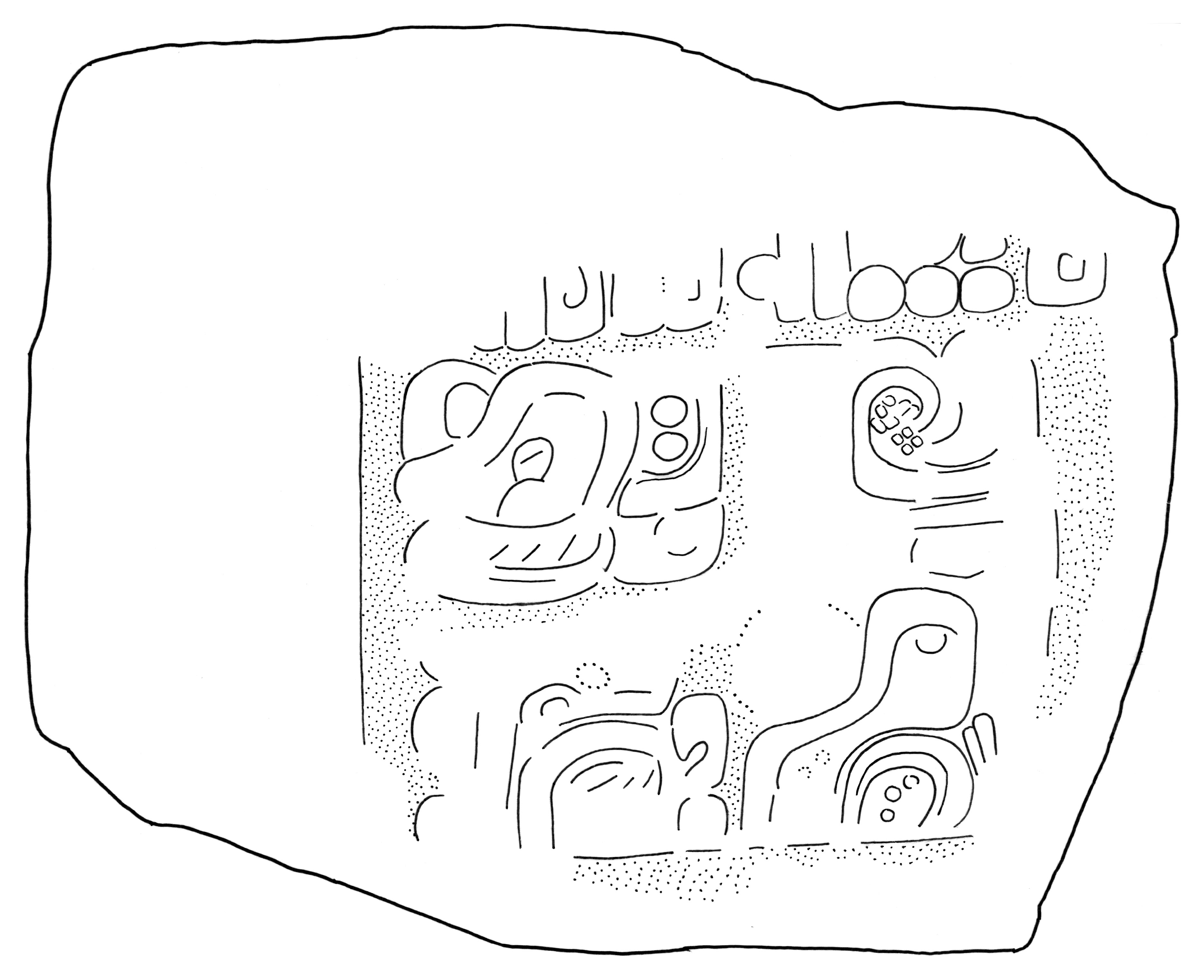
Bodega d
Height: 0.20 m
Width: 0.24 m
Thickness: 0.18-0.19 m
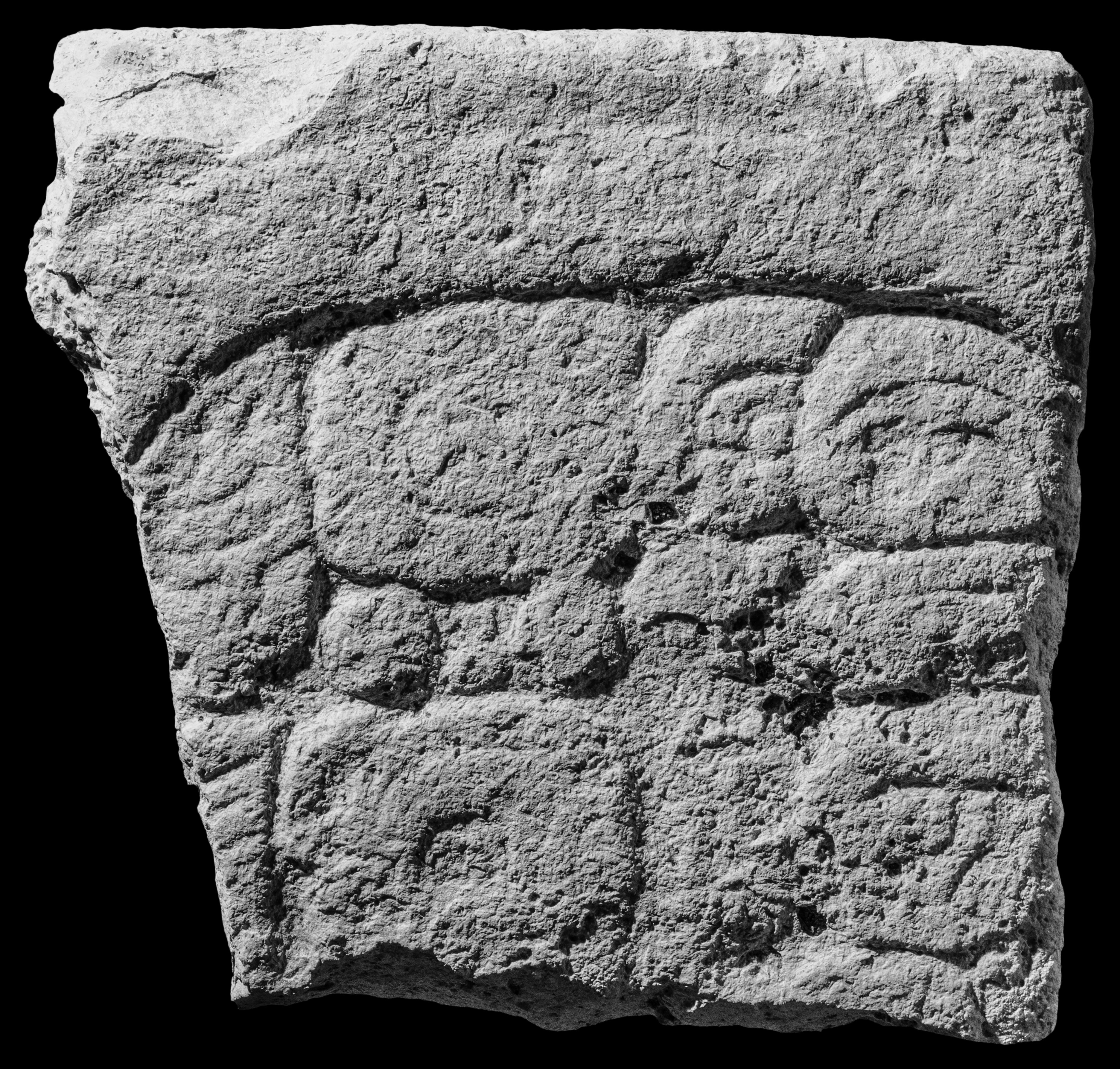
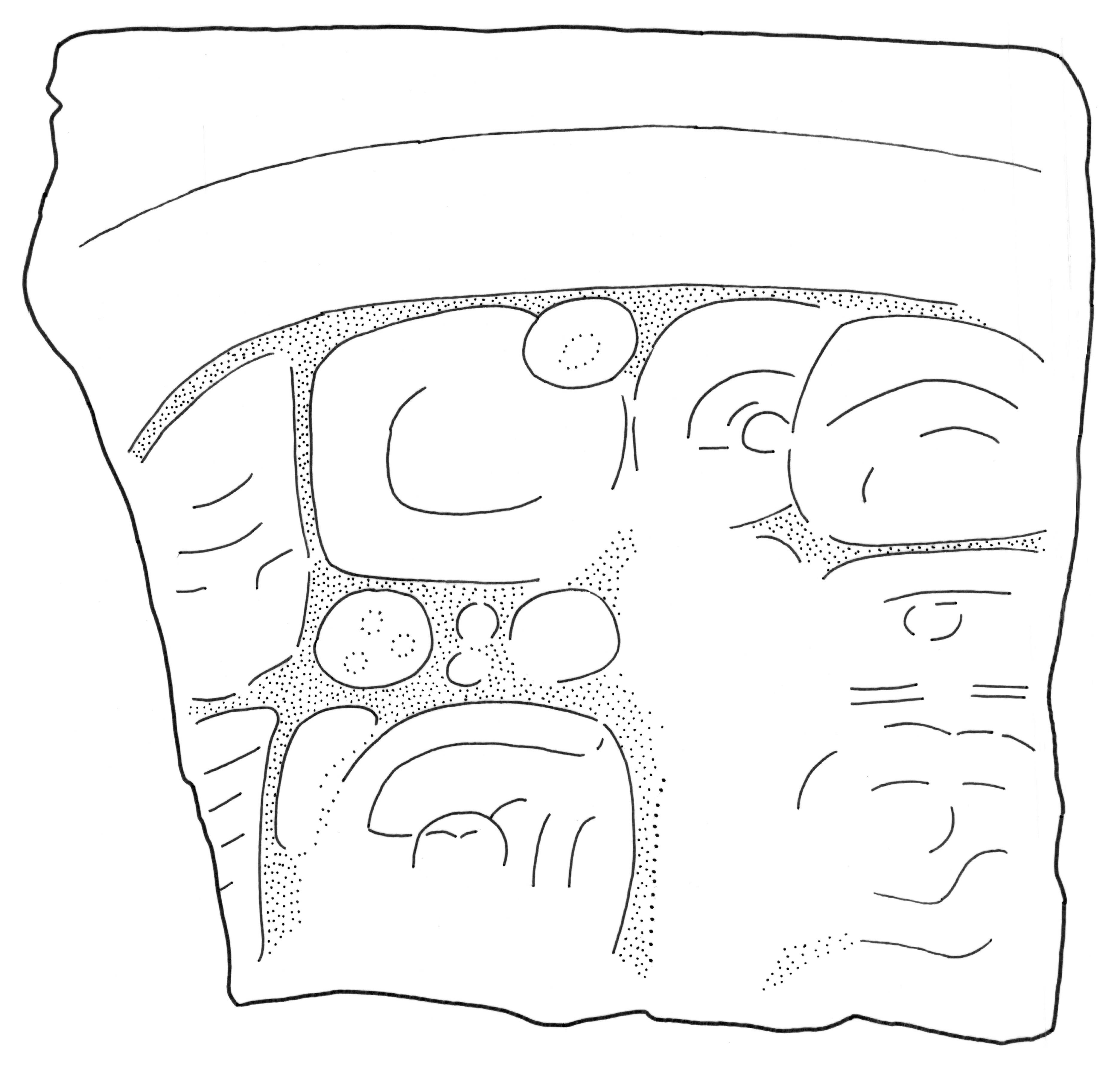
Bodega e
Height: 0.25 m
Width: 0.25 m
Thickness: 0.15-0.16 m
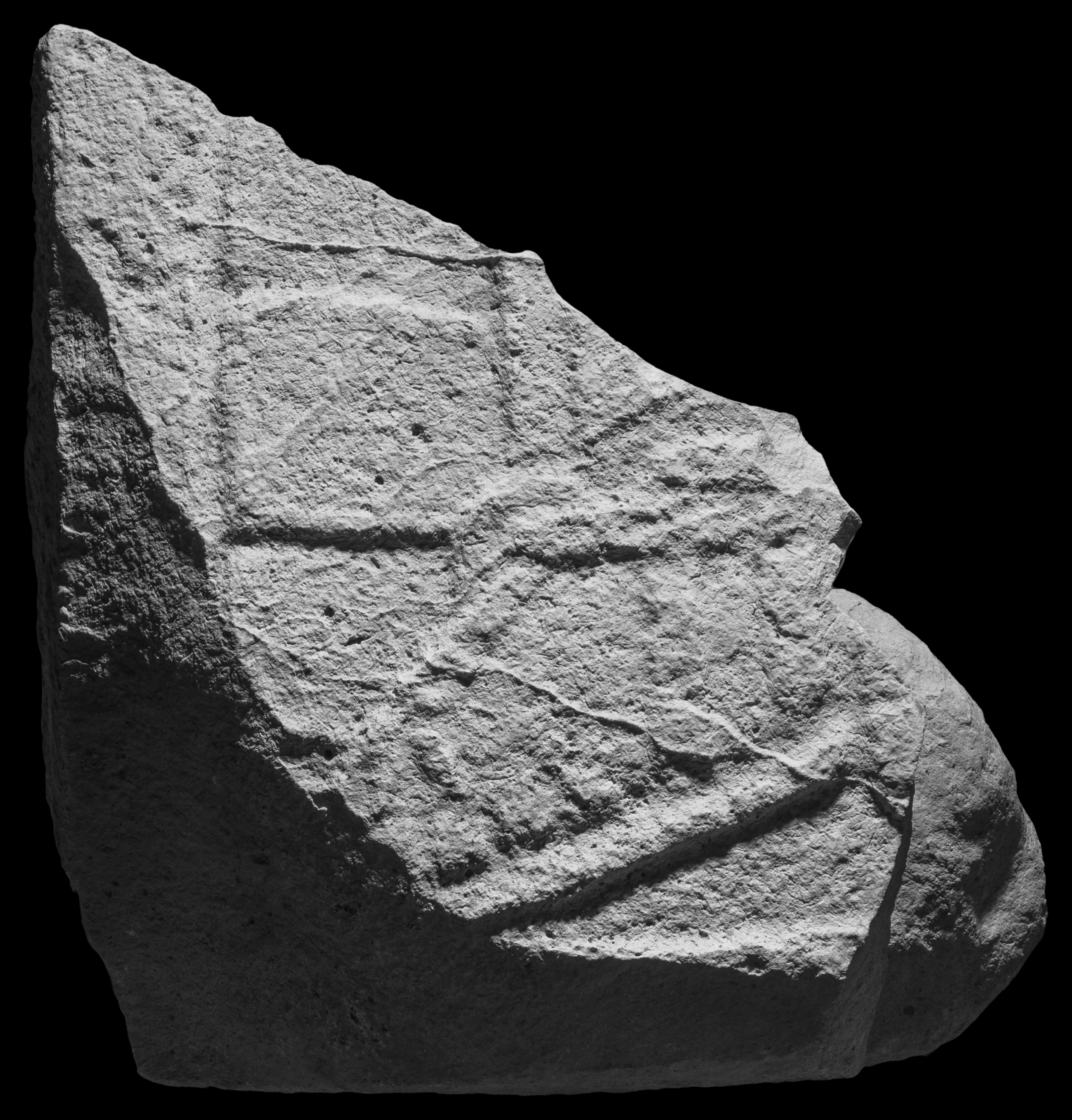
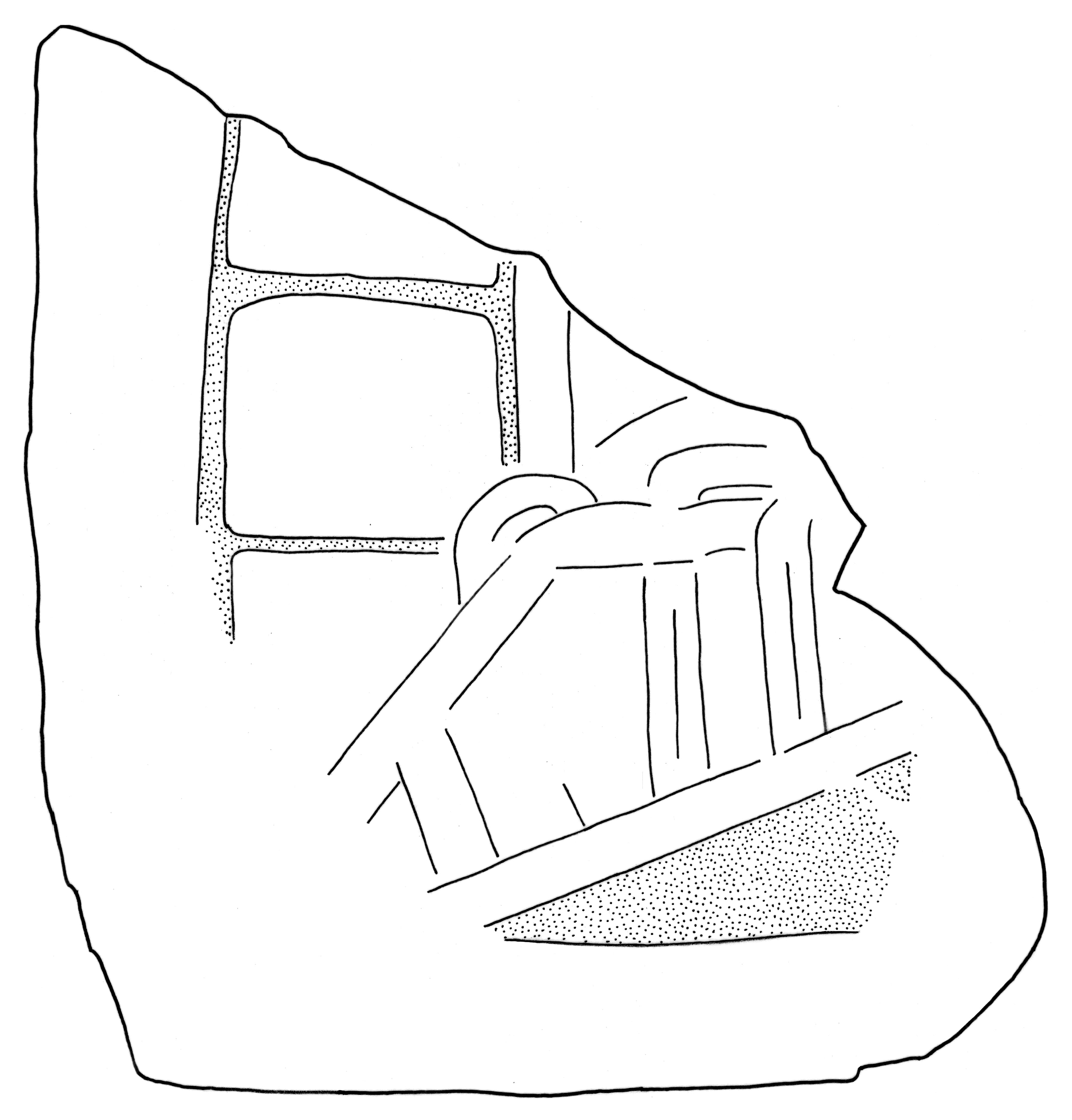
Bodega f
Height: 0.26 m
Width: 0.21 m
Thickness: 0.20 m
Suggested Citation: Love, Bruce and Sandra Balanzario. “Corpus Volume 17: Monuments from Dzibanché, Quintana Roo, Mexico.” Contributions to Mesoamerican Studies, November 12, 2025. https://brucelove.com/corpus/corpus-volume-017.
Downloadable PDF: CtMS_Corpus_V017_Monuments_Dzibanche_Mexico

The corpus photographs and drawings may be freely used and distributed in non-commercial use and are licensed under the Creative Commons Attribution-Non Commercial-Share Alike 4.0 International License. To view a copy of this license, visit: http://creativecommons.org/licenses/by-nc-sa/4.0
 Contributions to Mesoamerican Studies